Across the global beauty sector, salons are evolving far beyond simple service providers. They are increasingly becoming part of a larger ecosystem that includes product manufacturers, supply chain specialists, sustainability advocates, and technology innovators. As consumers and industry professionals demand greater transparency, the salon industry is beginning to examine how ethical supply chains can shape its future. The conversation is no longer limited to the final product for professionals working across cosmetics and fashion-adjacent sectors. Instead, it focuses on the journey behind that product from ingredient sourcing to manufacturing practices. Integrating ethical supply chains is now essential not only for sustainability but also for maintaining credibility within a highly connected global marketplace.
Integrating Ethical Supply Chains in the Salon Industry
Why Ethical Supply Chains Matter in Beauty and Fashion
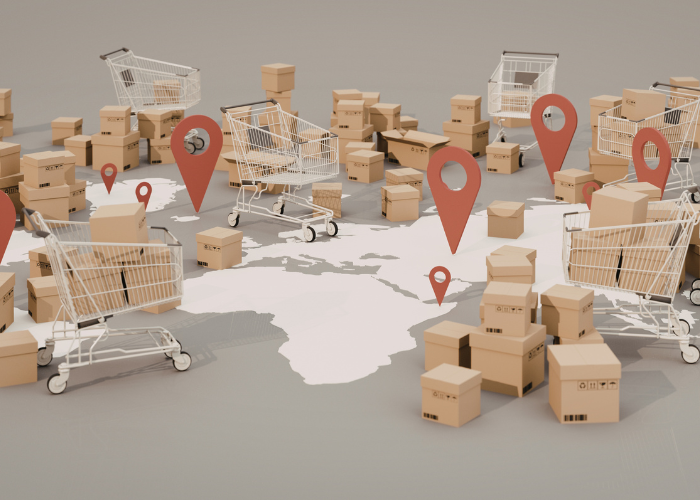
The modern beauty industry sits at the intersection of fashion, wellness, and manufacturing. Products move through complex networks of laboratories, raw material suppliers, packaging producers, distributors, and salons before reaching the end user. This complexity makes supply chain transparency more important than ever. Professionals increasingly recognize that responsible manufacturing practices influence environmental impact. In many cases, beauty professionals know their direct suppliers well but have limited visibility into the deeper layers of production. Ingredients may pass through multiple suppliers before they reach the finished product stage. Without clear traceability, it becomes difficult to ensure that labor conditions and sourcing practices align with ethical expectations. That’s why supply chain integration has become a major focus across the fashion industry. By connecting information across production stages, brands and professionals can better understand where materials originate, how they are processed, and their environmental footprint.
Closing the Greenwashing Credibility Gap
In recent years, sustainability claims have become commonplace across fashion and beauty marketing. Terms like “eco-friendly” appear frequently in promotional materials. However, professionals within the industry know that genuine sustainability requires measurable standards. This has created what many experts refer to as a credibility gap. Companies that truly invest in ethical production must compete with brands that rely on marketing language rather than verifiable data. For B2B platforms and professional directories, the solution lies in quantifying sustainability performance through transparent metrics. Frameworks aligned with the United Nations Sustainable Development Goals (SDGs) provide one example. These frameworks allow companies to evaluate environmental impact in measurable ways. Brands move beyond marketing claims and provide the documentation needed to support responsible sourcing when brands adopt these standards.
The Role of Digital Verification in Supply Chain Transparency
Technology is playing an increasingly important role in building trust across global supply networks. Industry tools like blockchain verification, AI-powered supply chain tracking, and digital certification platforms are helping brands document their operations with unprecedented clarity. Blockchain technology, in particular, offers powerful potential for supply chain verification. By recording production events across a secure digital ledger, companies can create a permanent record of where materials originate and how products move through the manufacturing process. For professionals working in personal care sectors, this level of transparency helps reduce risk. It ensures that products meet ethical standards and allows businesses to demonstrate accountability to partners and customers. Digital platforms designed for professional networking further strengthen this ecosystem. They allow designers, manufacturers, educators, and salon professionals to connect within a shared infrastructure that prioritizes trust, sustainability metrics, and verified expertise.
Supporting Responsible Product Provenance
The products used during treatments often reflect the values of the business itself for salon professionals. High-quality formulations contribute to professional credibility. Selecting trusted product lines can help bridge the visibility gap in complex supply chains. Professional-grade collections such as nail systems from F.O.X Nails provide consistent formulation standards and verified sourcing practices that align with the expectations of professional salons. When professionals incorporate reliable products like those available from this brand, they strengthen the overall integrity of their service offering. Choosing partners with strong production oversight helps salons build a foundation of trust with clients and collaborators, while no single brand defines an ethical supply chain.
Overcoming the Challenges of Digital Transformation
Despite the promise of advanced technologies, many smaller salons and independent beauty brands still face barriers to adopting Industry tools. Blockchain platforms and AI-driven analytics can appear complex, particularly for small businesses. However, the landscape is gradually becoming more accessible. Cloud-based platforms are making digital integration easier for organizations of all sizes. For example, AI-powered platforms can now help professionals identify verified suppliers, monitor sustainability metrics, and manage compliance documentation through user-friendly interfaces. These tools increasingly function as intuitive dashboards that simplify decision-making instead of requiring specialized technical knowledge. As adoption grows, digital transformation will likely become an industry standard rather than a competitive advantage.
Protecting Intellectual Property in the Beauty Sector
Another important aspect of ethical supply chains involves intellectual property protection. The beauty industry faces persistent challenges related to counterfeit distribution. Safeguarding intellectual property is critical to maintaining market value for innovative brands and independent creators. Signature products represent significant research and development investments. Blockchain-backed verification tools can help address this issue by creating digital records that document the origin of a product or formulation. These records function as a type of “digital birth certificate,” providing evidence of authorship and helping brands defend their innovations against unauthorized replication. In an industry where creative ideas move quickly across global markets, these protections are becoming increasingly valuable.
Building a Circular Future for the Salon Industry
Ethical supply chains are also closely tied to the growing circular economy movement. Instead of relying on linear production models where resources are extracted, used, and discarded, circular systems aim to reduce waste by extending product life cycles and promoting responsible resource management. In the salon industry, this shift may involve selecting longer-lasting products. These practices benefit both the environment and the long-term viability of businesses. Salons can lower costs while strengthening their sustainability credentials by reducing resource waste and improving operational efficiency.
A More Transparent Beauty Ecosystem
The salon industry is entering a new era of accountability. Ethical supply chains are becoming essential components of professional credibility. For beauty professionals, the challenge now lies in integrating technology, verified sourcing, and transparent reporting into everyday operations. As these systems mature, they will enable a more trustworthy global beauty ecosystem. In this future, ethical supply chains will not simply support sustainability goals. They will help define the next generation of responsible innovation across the fashion and beauty industries.
Conclusion
As the salon and beauty industries continue to intersect with fashion and technology, ethical supply chains will become a defining factor in long-term success. Professionals are no longer evaluated solely on creative talent. They are also judged by the integrity of the systems that support their work. For brands, manufacturers, and salon professionals alike, integrating transparency into sourcing creates a powerful competitive advantage. Verified data allows businesses to build trust while protecting innovation and intellectual property. The next generation of beauty entrepreneurship will be shaped by collaboration between technology platforms. By embracing traceability and ethical sourcing, the salon industry can move toward a more accountable future, one where creativity, craftsmanship, and sustainability evolve together.