
Competing with each other, fashion retail companies face the challenge of balancing two important components: driving sales and preserving their brand image. Discounting can be a great way to improve conversion rates but if brands overuse or provide poorly executed promotions, customers may have a negative view of the brand. Platforms like Barakatalan illustrate how modern deal ecosystems are evolving, enabling brands to offer value strategically without compromising their premium positioning.
The current conversation in retail has gone from “should we discount?” to “how can we discount wisely?”
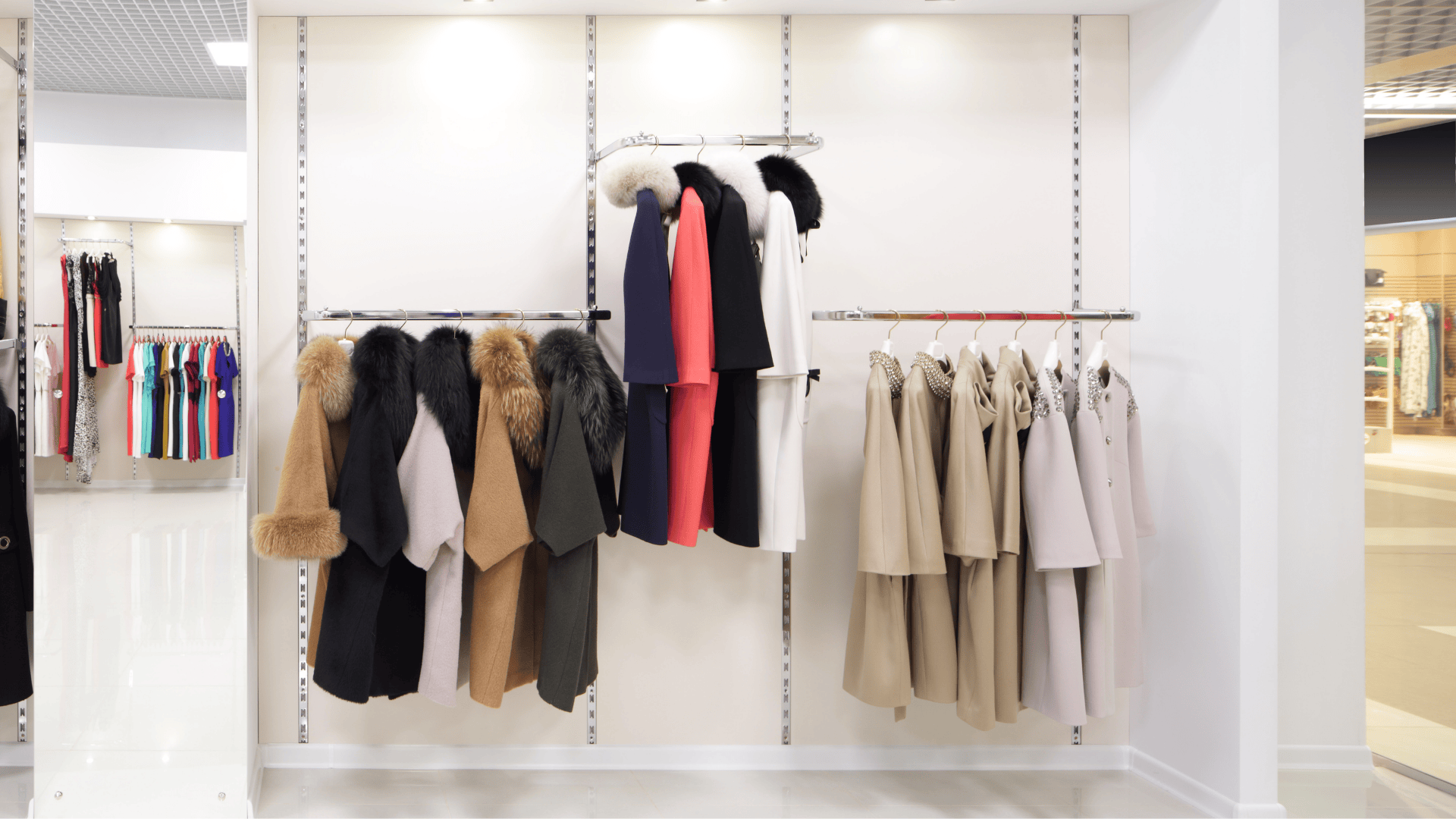
How Fashion Brands Use Discounts Without Diluting Brand Value
The Challenge of Balancing Discounts and Brand Equity
There is much more to fashion than what is bought and sold. It is also how the buyer perceives the brand, the desire to own it and how the products tell a story. The value of a brand is typically dependent on how exclusive or desirable it seems. If products are frequently marked down or discounted aggressively, that perception is broken and the product will appear to be less valuable as something that has been fully commoditized.
This is especially true for premium and luxury brands. Discounting creates a disconnect between the brand image and its price point. When a consumer thinks of a brand in terms of frequent or constant discounting, that brand is losing its aspirational quality.
On the other hand, completely avoiding discounts is not realistic for most brands today because of the price sensitivity of consumers. Consumers are very aware of price differences and are actively looking for value, especially in online environments where comparisons are effortless.
Strategic Timing and Controlled Availability
One of the most effective ways fashion brands maintain their value while offering discounts is through careful timing. Rather than offering continuous discounts through ongoing promotions, fashion brands frequently have limited-time-only discounts during specific times of the year, such as for end-of-season clearance events or event-exclusive discounts.
By using a limited-time-offer strategy, it is much easier for fashion retailers to create a sense of scarcity and urgency among their customers. Because discounts are not available all of the time, customers view them as being more valuable, or more exclusive, than if they were always available, which in turn makes customers more likely to buy from the brand when it offers limited-time-offer promotions without hesitation about the overall value of the brand.
Furthermore, when discounts are aligned with product inventory cycles or transitions (e.g., fall to winter collections), brands can also manage their product inventory with minimal, if any, markdowns.
Targeted Discounts and Personalisation
Recent trends have shown many contemporary fashion-businesses choose not to offer universal discounted rates but rather custom offers tailored towards individuals. Custom offers can be created using facts about an individual’s buying habits, preferences, and other criteria that help define who the customer is, i.e., general characteristics will help categorize the entire body of customers just as specifics will help define your loyal customer base.
An example would be giving your loyal customers early access to an upcoming sale. However, you might give someone who is visiting your site for the first time an incentive to make a purchase. By providing these types of offers, you are creating targeted discounts that have the greatest impact, rather than using an overall discount for your customer base.
A search for an Abxylute discount code reflects how consumers actively seek personalized value. Brands can respond to this behavior by delivering relevant offers at the right moment, enhancing the shopping experience without undermining their pricing integrity.
Personalisation not only improves conversion rates but also reinforces the perception that the brand understands and values its customers.
Maintaining Perceived Value Through Presentation
The way in which discounts are presented has an important influence on how a brand retains its value as a beauty brand. For example, many fashion brands do not promote their reductions in price but rather their experiences associated with the discount such as access to exclusives, curated collections and limited editions. Exclusive access, for example, creates a discount which feels like a privilege rather than a reduction in price.
Luxury brands, in many instances, do not promote their discounts overtly. They instead, create experiences or exclusivity to a private sale or invitation only to promote the brand’s image while still allowing them to offer temporary reductions.
The language, design and context of the promotion are all elements that contribute to the consumer’s perception of the discount that is being offered. When used correctly, discounts can add to a brand’s image rather than diminish the brand’s image.
Leveraging Discounts for Customer Retention
Discounts are powerful retention tools in addition to being acquisition tools. Fashion brands can use incentives to target customers for repeat purchases, thereby building customer relationships.
Discounts can create a feeling of appreciation or engagement through the use of offers after purchase, loyalty rewards, and personalized incentives. This type of solution is about creating value (rather than reducing price), so the customer feels valued as a reward rather than incentivized to purchase again due to price reductions.
When brands combine discounts with their overall customer experience efforts, brands develop long-term loyalty without needing to implement ongoing promotions.
The Role of Data and Technology in Smart Discounting
Technology has greatly changed the way companies in the fashion industry price their items and offer promotions. Using data analytics, artificial intelligence, and predictive modeling helps fashion brands come up with a more effective way to discount their items through the use of these tools. These items allow companies to determine when it is likely that a customer will buy an item, how much of a discount to provide, and what type of product to promote. The precision of these technologies diminishes the number of margin losses that would ordinarily occur if the company were to provide a disreputable discount and satisfies the company’s objective.
In the continually advancing fashion e-commerce industry, intelligent pricing systems will be increasingly vital to a fashion company’s business operations. Companies that are capable of leveraging this technology will offer value in the marketplace in a more seamless and strategic manner than companies that have not yet adopted this methodology.
Conclusion
Discounting in fashion retail is no longer a simple trade-off between sales and brand value. It is a nuanced strategy that requires careful planning, data-driven insights, and a deep understanding of consumer behavior.
By focusing on timing, personalisation, presentation, and technology, fashion brands can use discounts to enhance their appeal rather than diminish it. The key lies in treating discounts as part of a broader value proposition rather than as standalone tactics.
In an industry where perception is everything, the brands that succeed will be those that master the art of offering value without compromising identity.