The traditional path to an acting career once seemed relatively straightforward. Actors trained, auditioned, secured representation, and gradually worked their way through film, television, or theater.
Today, the route looks far less linear.
Many emerging performers are building careers across multiple industries at once, combining acting with modeling, social media, music, and digital-first entertainment. In the process, they are creating public identities that extend well beyond a résumé or casting profile.
As fashion, media, and technology continue to converge, the ability to cultivate a recognizable personal brand has become an increasingly valuable career asset.

From Modeling to Mobile Dramas: How Fashion-Adjacent Talent Builds Screen Careers
The Rise of the Multi-Hyphenate Performer
Fashion and entertainment have always shared a close relationship. Models have transitioned into acting for decades, while actors have often relied on fashion campaigns, magazine features, and brand partnerships to expand their visibility.
What has changed is the speed and accessibility of that crossover.
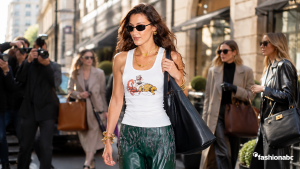
Social platforms now allow performers to present a curated public image directly to audiences, casting professionals, and potential collaborators. Rather than relying exclusively on traditional gatekeepers, talent can build visibility through a combination of professional work and digital presence.
For many creatives, social media functions as an evolving portfolio—a place where professional achievements, personal style, and career ambitions exist side by side.
Personal Branding Is Part of the Job
In today’s entertainment landscape, a performer’s public identity often extends beyond individual projects.
Industry professionals increasingly view social platforms as more than promotional tools. They serve as personal brand showcases, offering insight into a performer’s aesthetic, personality, interests, and professional trajectory.
For actors, personal branding is not simply about self-promotion. It is about creating a consistent impression that helps industry decision-makers understand who they are and what they bring to a project.
That visibility can be particularly valuable for performers working across multiple creative disciplines.
Where Modeling and Screen Performance Meet
The overlap between modeling and acting has become especially noticeable in recent years.
Modeling develops many of the skills that translate naturally to screen work: comfort in front of the camera, visual storytelling, physical awareness, and an understanding of how to communicate emotion through presence and expression.
At the same time, acting allows performers to expand beyond still imagery and develop deeper connections with audiences through narrative.
As digital entertainment platforms continue to grow, the distinction between these worlds is becoming increasingly fluid.
Blake Lewis’s journey from commercial campaigns to vertical dramas offers a useful example of this evolution. Before becoming a familiar face to viewers of mobile-first romance series, Lewis built experience across acting, modeling, and music. His work included campaigns for major brands such as Nike, Apple, Walmart, and Men’s Wearhouse, helping him develop a versatile on-camera presence while expanding his professional portfolio.
In recent years, Lewis has become a recurring leading man in vertical dramas, appearing in titles such as “The Alpha’s Cursed Mute Bride,” “Pregnant and Married to a Movie Star,” and “Marry Again My Billionaire Ex.” His career illustrates how experience gained through commercial work, modeling, and other creative disciplines can translate into opportunities within emerging forms of screen entertainment.
Mobile-First Entertainment Creates New Opportunities
The growth of mobile-first entertainment has opened new doors for performers.
Short-form dramas, designed primarily for smartphone viewing, have created demand for actors capable of establishing strong screen presence quickly. As these platforms expand, they are introducing audiences to talent who may have previously worked across commercial campaigns, independent productions, modeling assignments, and digital media projects.
For performers with experience in visual storytelling, these formats can feel like a natural extension of an already camera-focused career.
Rather than replacing traditional entertainment pathways, mobile-first storytelling is creating additional opportunities for talent to build audiences and expand their visibility.
Building a Career Across Platforms
The modern entertainment industry increasingly rewards versatility.
A performer may appear in a fashion campaign, collaborate with brands, maintain a social media presence, pursue acting roles, and star in a digital drama series—all while contributing to a cohesive professional identity.
What once existed as separate career tracks now often functions as a connected ecosystem.
As audiences continue to discover talent through multiple screens and platforms, performers who understand how to combine acting, visual storytelling, and personal branding may find themselves particularly well positioned for the future.
The next generation of screen careers may not begin on a movie set or television soundstage alone. Increasingly, they are being built at the intersection of fashion, digital media, and mobile-first entertainment.
Sources:
https://www.vogue.com/article/instagram-is-the-new-resume-but-not-everyone-wants-to-be-an-influencer
https://www.backstage.com/magazine/article/build-digital-brand-actor-4285/