
Fashion Retail & E-commerce, Fashion Trends & Future, resources
Fashion Logistics: The Secret to a Seamless Supply Chain

The fashion world relies on more than just good sketches and trendy fabrics. A smooth operation behind the scenes keeps items moving from the factory to the hangar. The back-end work allows designers to focus on their art without worrying about shipping delays.
Without strong logistics, even the best designs will never reach the customer. The process involves complex steps that keep your business running day and night. Successful brands treat their supply chain as a primary part of their creative strategy.
The Modern Push For Faster Delivery
Speed is the main goal for most clothing brands today. Customers expect their new outfits to arrive within a few days of clicking a button. Meeting expectations requires a physical system that can move as fast as a digital shopping cart, which is a challenge for many small firms.
A logistics magazine highlighted how major brands like Zara are spending money on new technology to remove physical security tags and speed up the digital experience. The shift allows stores to focus on better sizing tools and faster checkout times for every shopper.
Moving items quickly requires a deep understanding of how data flows through your system. It helps avoid delays that could ruin a successful product launch. When your team works with real-time data, they can make better decisions about shipping and handling.
Organizing Your Stock Room For Success
Keeping track of every shirt and pair of jeans is a full-time job. Using a warehouse management software for small business makes it much easier to stay organized. Technology keeps your team moving and prevents lost sales from missing items.
Manual lists often lead to mistakes that cost your brand money. Digital tools provide a clear picture of what you have in stock at any given moment. You can see which items are flying off the shelves and which ones are collecting dust.
When your team knows exactly where to find a specific SKU, shipping times naturally decrease. It builds trust with your buyers when orders are always accurate. A tidy warehouse is the first step toward a professional and growing fashion brand.
Key Steps For Better Inventory Control
Accuracy is the foundation of any retail supply chain. You need to know your numbers before you can grow your sales. Understanding your inventory levels helps you avoid the trap of overselling items you do not have.
Implementing a few basic habits can change how your warehouse functions daily:
- Set low stock alerts for your best sellers.
- Perform regular cycle counts to verify physical stock.
- Organize your shelves by size and color.
- Use barcodes for every item in your catalog.
Running out of a popular item can lead to frustrated customers and bad reviews. Consistent monitoring prevents gaps and keeps your cash flow healthy. A strong inventory strategy is a shield against the chaos of peak shopping seasons.
Navigating Global Sourcing Changes
Where you make your clothes matters just as much as how you sell them. Changes in trade laws often force brands to look at new regions for production. Global shifts can happen quickly and require a flexible approach to sourcing.
A trade publication discussed how tariff uncertainty is pushing many companies to move their manufacturing away from China. Businesses want more stable pricing to protect their profit margins during tough economic times. Moving production helps them avoid unexpected costs that could hurt their bottom line.
Finding a reliable partner in a new country takes time and careful planning. It requires checking quality standards to keep your brand reputation high. Working with diverse suppliers protects your business from disruptions in any single region.
Solving The Problem Of Textile Waste
The fashion industry faces a lot of pressure to become more sustainable. Excess inventory often ends up in trash heaps instead of closets. Finding ways to manage the waste is a major challenge for modern retailers.
Data from a business journal shows that American consumers discard up to 100 pounds of clothing per person every year. The massive amount of waste shows why companies need to manage their production levels more carefully.
Better logistics can help reduce the number by matching supply with actual demand. Selling through stock instead of overproducing is a win for the planet and your wallet. Accurate forecasting means you only make what people actually want to buy.
Managing Transportation And Freight Costs
Getting products from the port to your door is expensive and slow. Freight rates can change overnight based on global events or fuel prices. Managing costs is a constant battle for fashion brands of all sizes.
Small brands often struggle to compete with the shipping power of massive retail giants. Negotiating better rates requires having clear data about your shipping volume. You can use your growth numbers to ask for better deals from your carriers.
Consolidating shipments is one way to save money on every box you send. It minimizes the number of empty spaces in a shipping container. Efficient packing and planning turn shipping from a headache into a competitive advantage.
Strategies For Omni-channel Fulfillment
Selling on your own site and through third-party platforms creates complex challenges. You must sync your inventory across every channel to avoid overselling. Coordination is the only way to provide a consistent brand experience.
Managing the different streams requires a centralized system that updates in real time:
- Connect your website directly to your warehouse data.
- Reserve specific stock levels for online orders only.
- Train staff to handle returns from different sales sources.
- Provide tracking numbers to customers as soon as the labels print.
A seamless experience for the buyer means they never see the struggle behind the curtain. They simply get their package on time, regardless of where they bought it. Keeping your multi-channel sales organized prevents costly mistakes and shipping delays.
Scaling Operations For Future Growth
Growing a brand means your logistics must grow alongside your sales. What worked for 10 orders a day will fail when you reach 100 orders. Scaling up requires a plan that accounts for more staff and more space.
Investing in systems early on prevents a total collapse when a video goes viral. It allows you to focus on marketing as the back end handles the heavy lifting. Automated tools help your team keep up with the rising demand without burning out.
Preparation is the difference between a successful season and a logistical nightmare. Start planning your infrastructure long before you think you need it. A strong foundation allows your brand to expand into new markets with confidence.
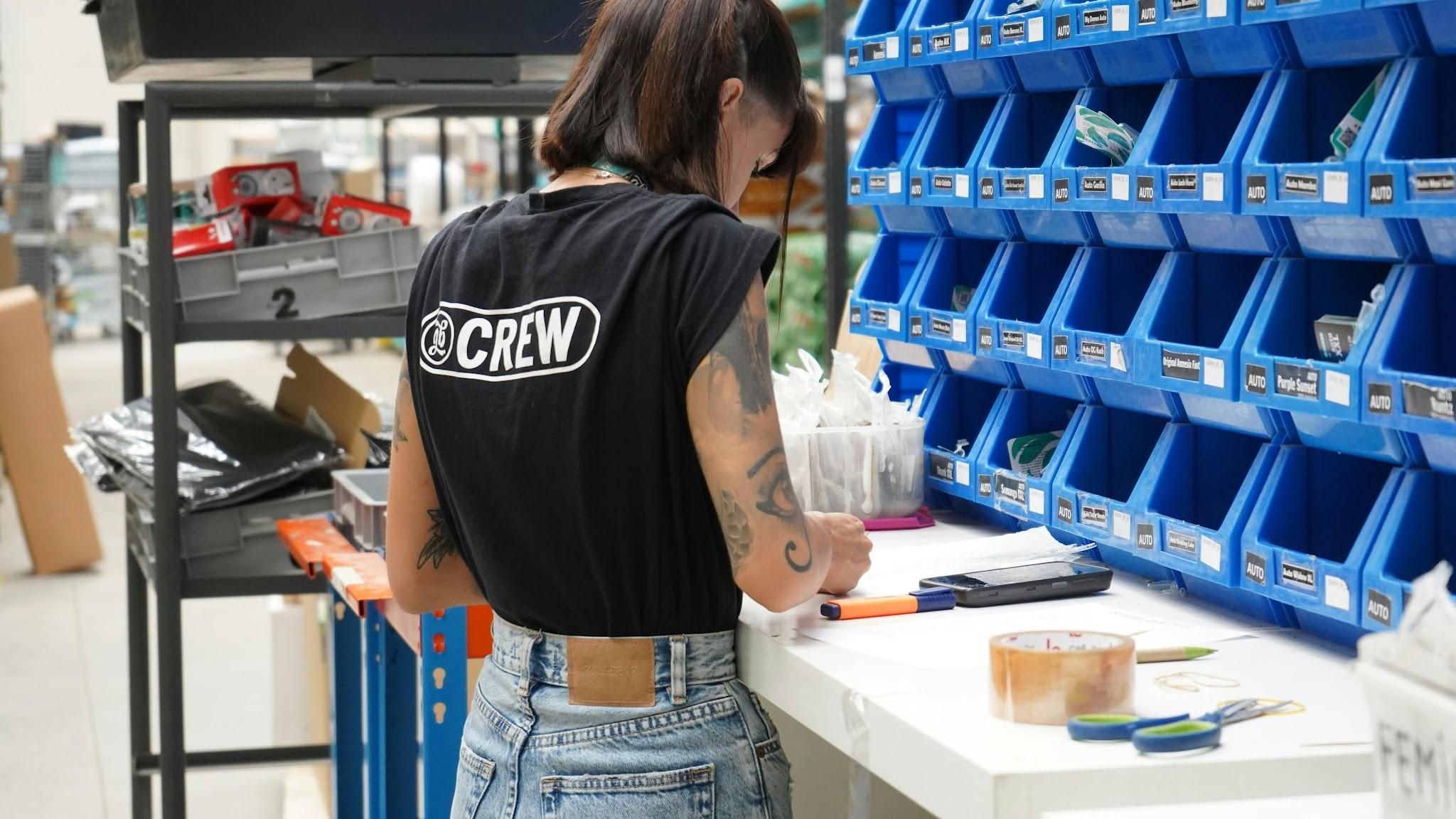
Building a strong supply chain is a journey that never truly ends. Staying adaptable is the only way to survive in such a fast-paced market. Every small improvement you make today will pay off as your brand grows larger.
When your logistics are handled correctly, your fashion brand can reach new heights. Focus on the details today to build a better business for tomorrow. Your customers will appreciate the effort you put into every delivery.


