Keeping your hearing sharp is a goal for many people as they age. Most of us take our senses for granted until they start to fade or change. You can protect your sensory system without needing complex equipment or $500 treatments.
Developing a few simple daily habits can make a big difference in long-term health. These habits are easy to follow and fit into a busy schedule. You should prioritize your ears just like you do your eyes or heart.
Understanding Your Ears
Your ears are delicate structures that process sounds through tiny bones and hair cells. These parts work together to translate vibrations into signals your brain can understand. The process is fast – it happens without you thinking about it.
Small changes in your environment can impact how well these mechanisms function. Maintaining their condition helps you stay connected to the world around you. You might not notice the small changes until they become significant problems.
Good care starts with knowing what can damage these sensitive components. It is better to prevent issues now than to try to fix them later. Protecting your auditory health is a smart choice for your future quality of life.
Safe Cleaning Habits
Many people use cotton swabs to clean their ear canals every morning. This practice often pushes wax deeper into the ear rather than removing it. It can lead to irritation or small scratches on the delicate skin inside.
Wax serves a purpose by trapping dust and protecting the skin from infection. Removing too much of it can leave your ears dry and prone to itching. The ear is designed to clean itself naturally through jaw movement.
Letting warm water run into your ears during a shower is usually enough. You should avoid sticking anything smaller than your elbow into the ear canal. Professional cleaning is the best choice for heavy blockages that cause pain.
The Importance Of Clinical Checks
Regular visits to a specialist are a smart way to track your auditory health. Scheduling an appointment at Owl Hearing or another clinic allows a professional to find issues before they become permanent. Early detection leads to more effective treatments and better outcomes for patients.
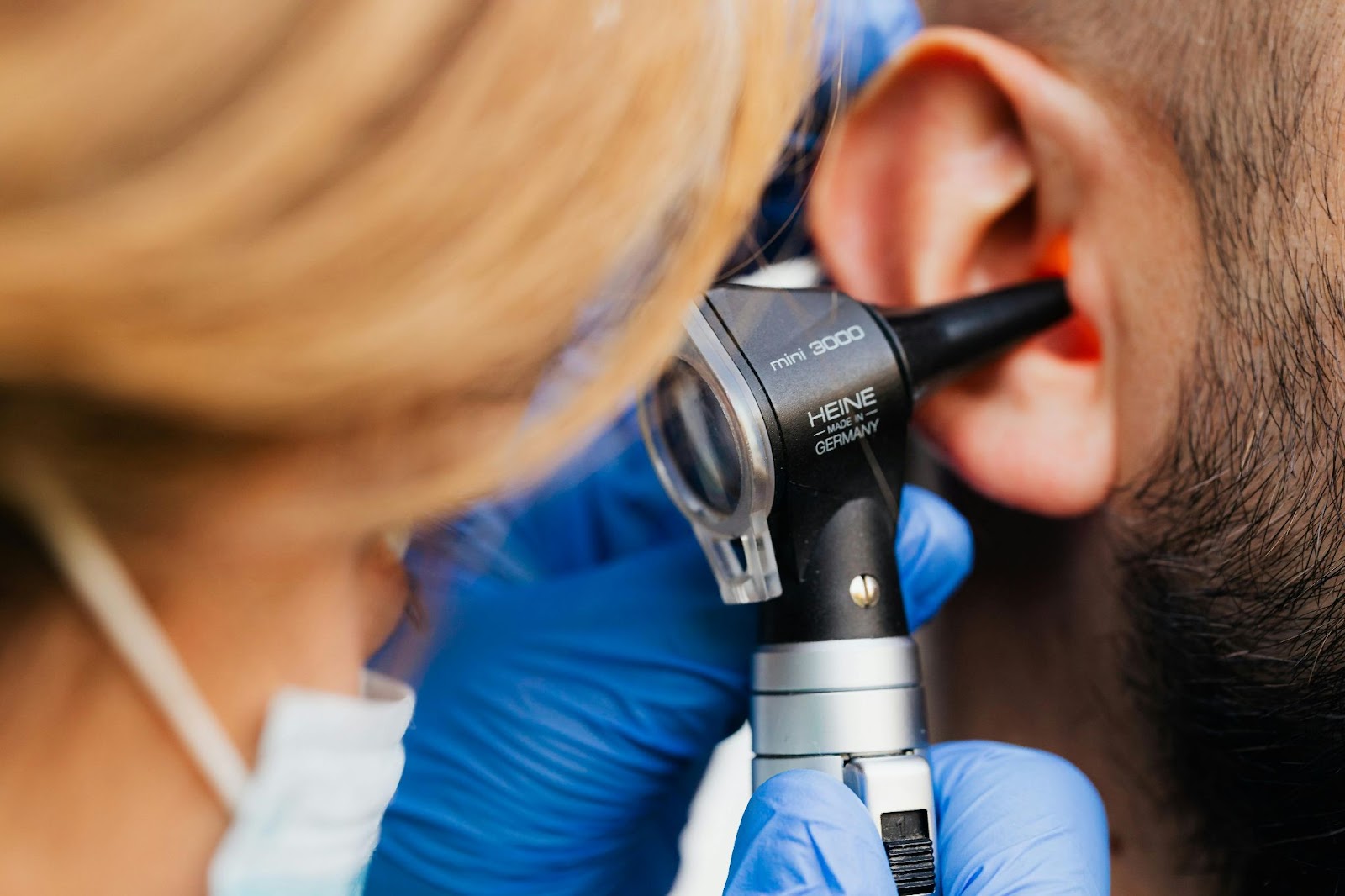
Professionals use unique tools to look for blockages or signs of physical damage. They can remove wax safely and check the health of your eardrum. These experts have the training to see things that you cannot see in a mirror.
A specialist can suggest a baseline test even if you think your hearing is perfect. Comparing future results to a baseline helps identify slow changes that you might not notice. A clear record of your health history is a valuable tool for any doctor.
Managing Volume Levels
Listening to music through headphones is a common part of daily life for millions. A health publication recently pointed out that wearing earphones can lead to wax buildup by blocking the natural cleaning cycle. This happens when the device creates a seal that prevents air from moving freely.
High volume levels can permanently damage the tiny hair cells in your inner ear. Once these cells are destroyed, they do not grow back or repair themselves. You might notice a muffled sound after a long session of loud audio or music.
Try to keep your volume at a level where you can still hear people talking. Taking regular breaks gives your ears a chance to recover from the constant pressure. Many smartphones now have built-in warnings for high decibel levels to keep you safe.
Protecting Ears From Water
Water trapped in the ear canal can lead to uncomfortable infections, like swimmer’s ear. Moisture creates a breeding ground for bacteria that can cause pain or temporary hearing loss. It is a common issue for people who swim frequently or live in humid climates.
Drying your ears gently with a towel after swimming or bathing is a good habit. You can tilt your head to each side to help excess water drain out naturally. Gravity is often the simplest tool for removing moisture from the canal.
Use these tools to keep your ears dry:
- Silicone earplugs
- Custom-fitted swim molds
- Dry cotton towels
- Over-the-counter drying drops
Environmental Noise Control
Loud environments like construction sites or concerts can cause immediate harm. Wearing protection is a simple way to stay safe in these high-risk settings. Many modern earplugs are designed to lower volume without muffling the quality of the sound.
Taking steps to lower noise exposure helps prevent long-term damage. You can choose from various types of protection based on your activity and comfort. Staying aware of your surroundings is a key part of ear safety.
Consider these options for noise reduction:
- Foam disposable earplugs
- Noise-canceling headphones
- Earmuffs for heavy machinery
- Vented plugs for musicians
Recognizing Early Signs Of Loss
Hearing loss often happens so slowly that people do not realize it is occurring. You might find yourself asking others to repeat themselves more often during dinner. It can start as a subtle difficulty in understanding words in a busy room.
Background noise can make it very difficult to follow a single voice in a group. Turning up the television volume higher than others prefer is another common indicator. These signs are often the first clues that something is wrong with your ears.
Pay attention to any ringing or buzzing sounds that persist after a loud event. Talking to a doctor about these signs can help you get the support you need – and find peace of mind. Professional advice is valuable for managing any changes you notice in your daily life.
Caring for your hearing is a lifelong journey that requires consistent attention. Taking these steps today will help you enjoy the sounds of life for years to come. Small habits create a strong foundation for your sensory health.
Changes in your routine lead to big results for your overall well-being. Your ears deserve the same level of care as any other part of your body. Investing time in your health now pays off in the long run.