Modern living rooms are shifting away from impersonal show homes toward rich, character-filled retreats. People want rooms that mirror where they have been and what they have experienced. Bringing memories into daily view turns simple rooms into personal sanctuaries. This shift transforms home design into a canvas of individual life stories.
The Death of Stark Minimalism
Homeowners move away from cold, empty rooms toward warm spaces full of personality. Design experts observe that living spaces shift toward warmth, character, and layered textures instead of sterile surfaces. Rooms feel welcoming when filled with 2 or 3 items that mean something to the owner.
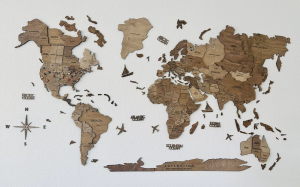
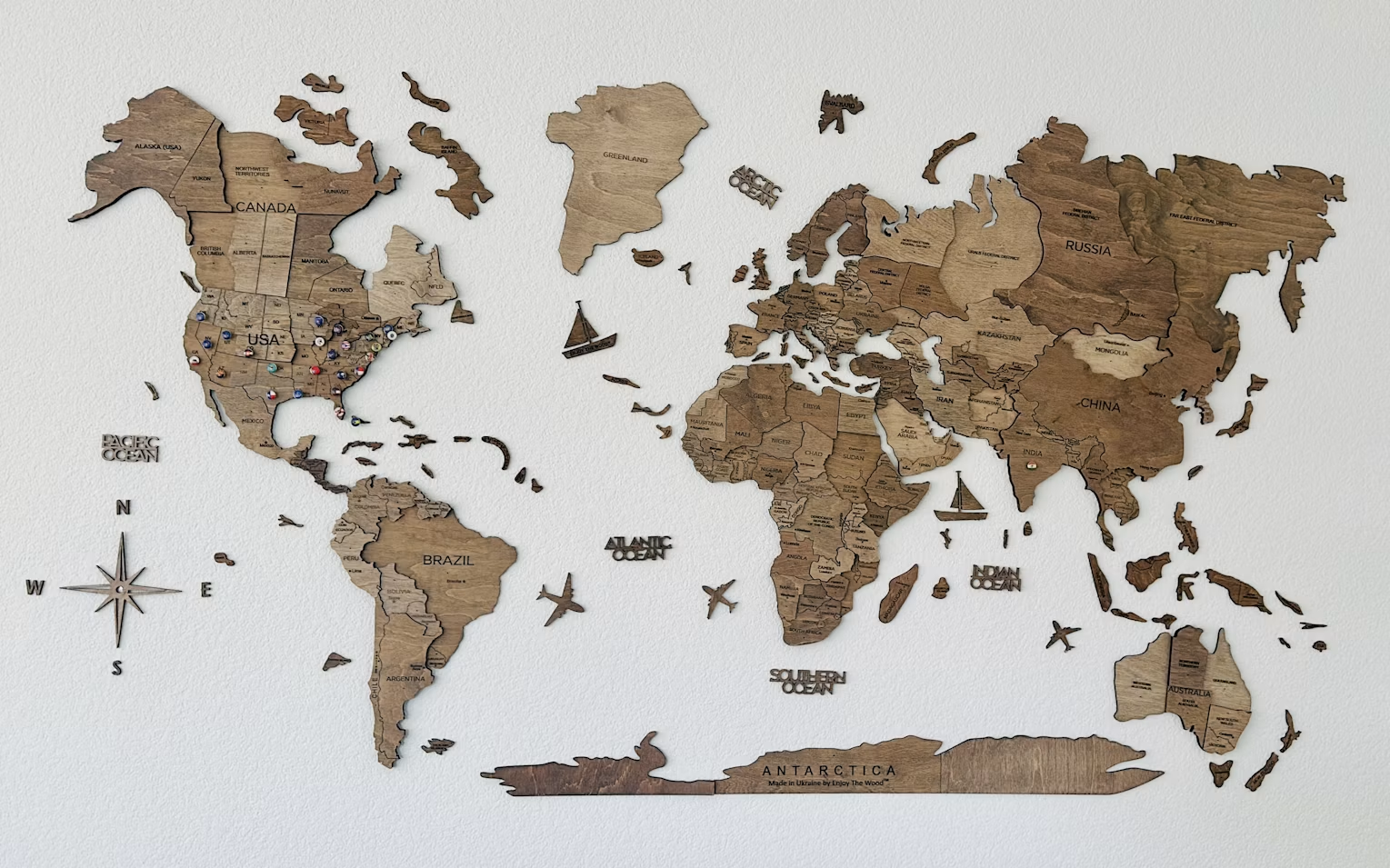
Decorating with intention starts with selecting pieces that carry personal meaning and memories. Displaying travel-inspired wall art transforms blank walls into daily visual reminders of distant adventures. These visual elements create focal points that stir conversation and evoke nostalgic feelings. Rooms gain instant character without feeling cluttered or messy.
Curation Over Clutter
Collecting items during trips brings authentic storytelling into everyday home design. Industry commentary notes that design trends now celebrate the intentional collection of travel treasures, keepsake items, and original artwork. Every displayed object tells a story about one specific trip or milestone.
Placing these items alongside everyday furnishings balances functionality and personal style. Homes need to reflect actual living rather than museum-like perfection. Displaying items with personal history turns ordinary living rooms into comfortable retreats.
Framing Memories as Fine Decor
Framing photographs or mementos gives sentimental items a polished look. Incorporating items like framed postcards from memorable trips or inherited trinkets adds deep character and supports narrative design trends. A simple frame costing $30 elevates a quick paper souvenir into an elegant focal point.
Combining 3 different sizes and frame styles creates dynamic wall displays. Mixing matte textures with rich wooden frames adds depth across large surfaces. This simple approach converts modest souvenirs into gallery-quality displays.
Choosing mat boards in soft off-white or cream shades keeps the focus directly on the image. Matching black metal frames with vintage photography creates an art gallery feel. Selecting raw oak frames works well with organic textures and natural maps.
Layering Textures and Cultural Touches
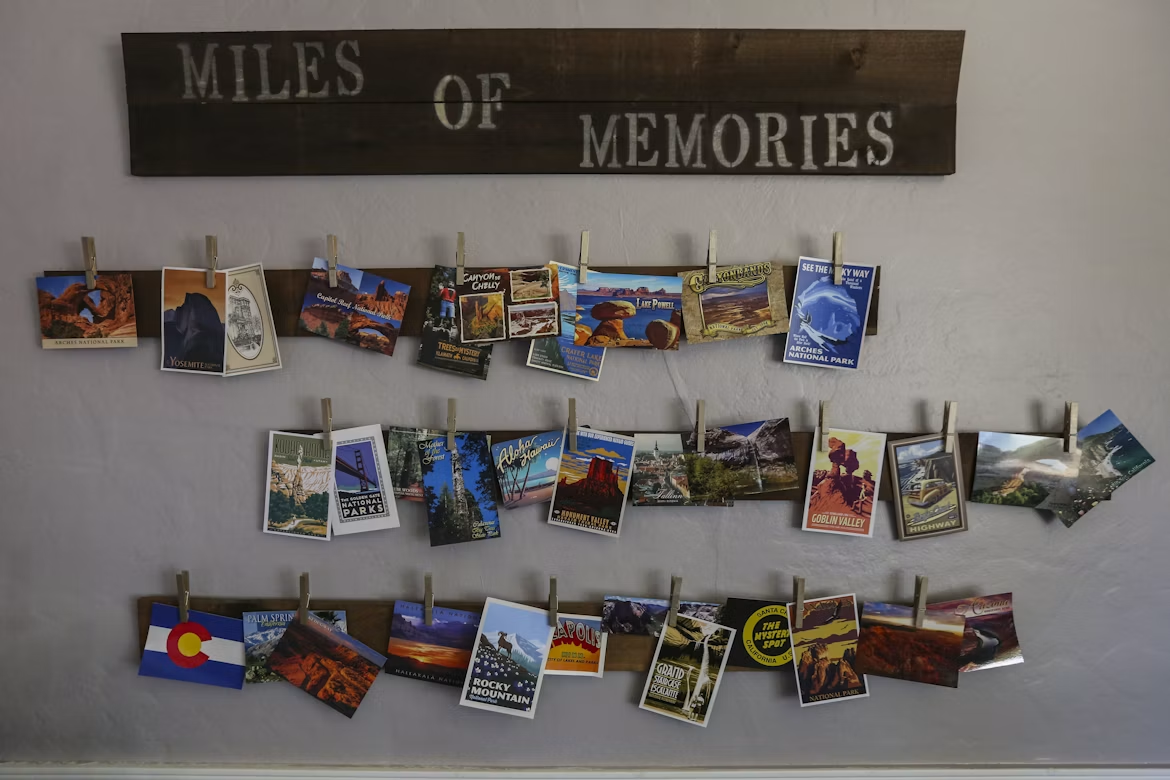
Integrating unique textures brings global influences into indoor settings. Design publications highlight how layered spaces focus on artisan craftsmanship, antique finds, and meaningful accents. Woven accents, handcrafted ceramics, and patterned textiles add depth.
Combining 4 or 5 various materials creates a rich visual experience throughout the home. Integrating personal souvenirs, unique artwork, or custom furniture makes every room a reflection of personal identity. Texture invites touch and creates a cozy ambiance.
Sourcing Unique Statement Pieces
Finding unique pieces often happens in unexpected places during trips or searches through local markets. Recent interior reviews suggest pairing contemporary paintings with vintage fabric pieces or coffee table sculptures. Mixing modern items with antique finds generates visual contrast.
- Sculptural objects from local artisans add physical dimension to flat surfaces.
- Framed textile fragments bring historic patterns onto clean walls.
- Hand-carved wooden trays offer functional beauty on coffee tables.
Designing Functional Travel-Inspired Spaces
Design balance requires careful placement so spaces remain organized and easy to navigate. Placing 1 or 2 large statement pieces on primary walls creates a clear centerpiece. Surrounding key items with quiet, neutral elements allows them to stand out naturally.
Lighting plays a major role in highlighting focal points across the room. Subtle spotlights or warm sconces direct attention onto treasured artwork. Accent lights highlight soft details and textures without creating harsh glare.
Arranging seating around personal displays invites guests to pause and look closely. Low coffee tables positioned near artwork displays offer room for art books or travel journals. Keeping foot traffic paths clear maintains an open feel in large living areas.
Integrating Travel Souvenirs into Modern Layouts
Combining vintage findings with modern furniture keeps living areas feeling fresh and relevant. A single carved chest or patterned rug anchors a room without overwhelming existing furniture. Small collections arranged on floating shelves draw attention without creating chaos.
Grouping 3 travel mementos by color or material creates a unified look. Displaying ceramics together on a mantelpiece provides structure across open spaces. This technique brings harmony to collections gathered across multiple trips over many years.
Selecting neutral backdrops like soft gray or warm beige allows colorful souvenirs to pop. Painting 1 accent wall in a deep earth tone creates drama behind lighter wooden artifacts. Balanced color schemes tie diverse objects together seamlessly.
Maintaining Personal Style Across Seasons
Swapping smaller accessories 2 times throughout the year keeps travel decor feeling dynamic and seasonal. Rotating framed photos or small textiles according to the season keeps room displays fresh. Lightweight linen throws suit warmer months, and heavy wool blankets fit colder seasons.
Refreshing display shelves 2 times a year encourages thoughtful editing of home possessions. Storing certain souvenirs in drawers allows other pieces to take center stage. Rotating items prevents living areas from feeling visually crowded.
Bringing travel elements indoors transforms living rooms into comfortable personal sanctuaries. Surrounding oneself with items tied to memorable journeys creates a home environment rich in comfort and narrative. Choosing pieces that reflect personal experiences ensures a living space remains timeless, authentic, and truly unique.