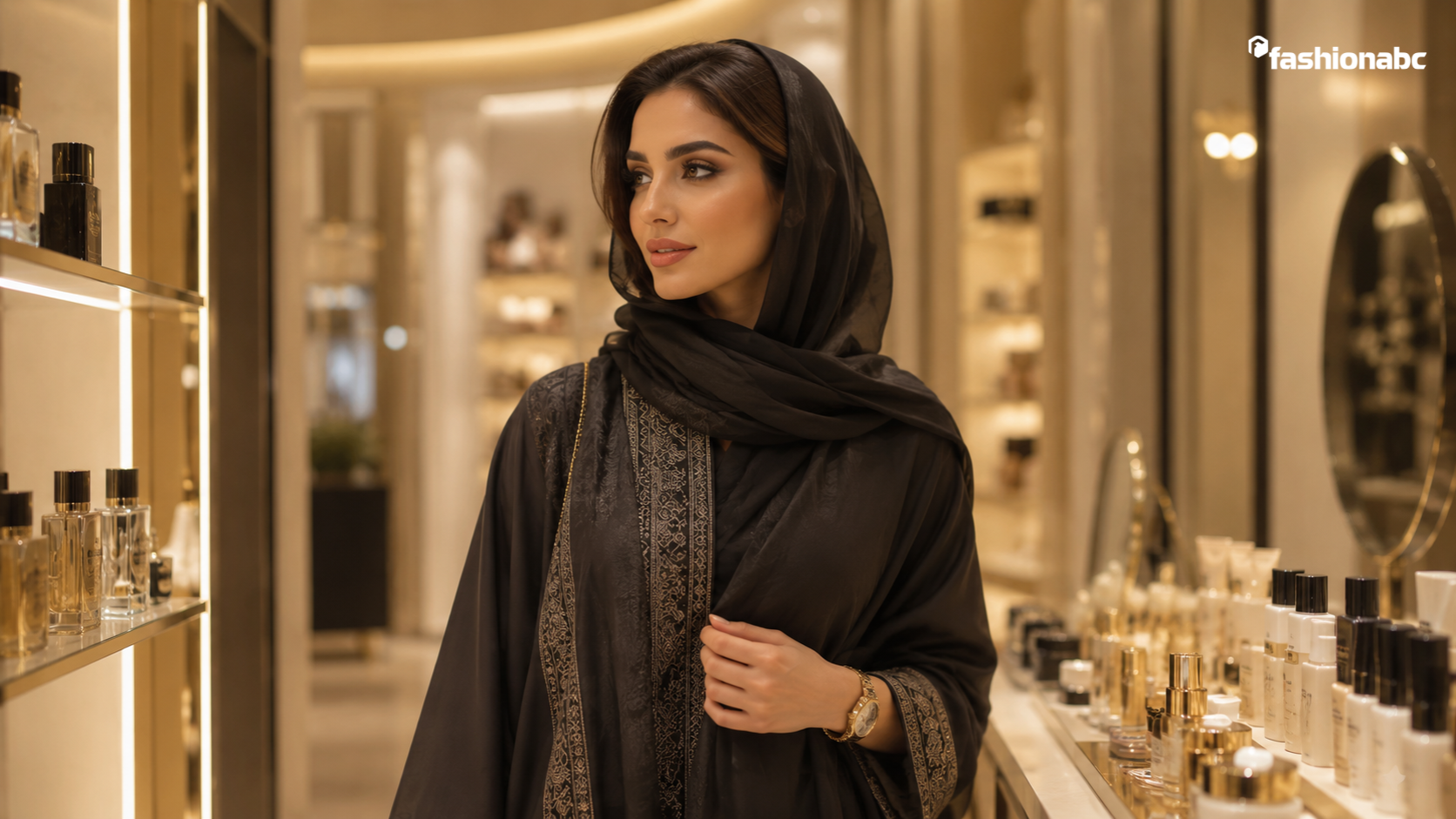
Saudi Arabia has become one of the GCC’s most important beauty markets, driven by rising female workforce participation, social media, e-commerce and a new generation of homegrown founders building brands for local consumers.
Saudi Arabia’s beauty industry is changing quickly.
What was once a market shaped largely by imported global brands is becoming more competitive, more digitally driven and increasingly influenced by Saudi entrepreneurs who understand local beauty habits, climate, culture and consumer expectations.
The shift is happening alongside wider social and economic changes in the Kingdom. Saudi Arabia’s Vision 2030 programme has increased women’s participation in the economy, expanded entrepreneurship and accelerated investment in retail, tourism and digital commerce. At the same time, younger consumers are discovering products through TikTok, Instagram and beauty creators before they ever enter a store.
The Business of Fashion recently described Saudi Arabia as the GCC’s largest cosmetics market, highlighting the role of social change and emerging homegrown brands in reshaping the sector.
The opportunity is substantial. One 2026 market estimate values Saudi Arabia’s wider beauty and personal care market at about $8.03 billion, with forecasts suggesting it could reach $10.84 billion by 2031.
Saudi Beauty Is Becoming a Major Consumer Market
Beauty has long held cultural significance across the Gulf, particularly through fragrance, skincare, haircare and cosmetics. What is changing is the scale and structure of the market.
Saudi consumers now have access to a much broader mix of global luxury labels, specialist retailers, independent brands and direct-to-consumer businesses. Physical retail remains important, but beauty discovery increasingly begins online.
Research published in 2026 estimates that Saudi Arabia’s e-commerce cosmetics and fragrance market could grow from $980 million in 2026 to $1.45 billion by 2031, representing annual growth of just over 8%.
That digital expansion is particularly relevant for younger beauty consumers. Tutorials, influencer recommendations and product reviews can turn a previously unknown brand into a desirable one before traditional advertising or retail expansion catches up.
For fashion and beauty businesses, Saudi Arabia is therefore becoming more than a distribution market. It is increasingly a market where brand identity, cultural relevance and digital community-building matter.
Women’s Economic Participation Is Reshaping Beauty Consumption
One of the most important structural changes behind the beauty market is the growing economic participation of Saudi women.
Saudi Vision 2030 data shows women’s labour-force participation rising substantially from its pre-reform baseline, reaching around 36% by 2024, while the Kingdom increased its long-term target to 40%.
This has implications far beyond employment statistics.
As more women enter professional environments, launch businesses and gain greater purchasing power, beauty consumption is becoming tied to lifestyle, work, personal identity and entrepreneurship.
The same transformation is visible in business ownership. Saudi Vision 2030 reporting recorded a 41% increase in women-owned commercial registrations in 2024, alongside women holding 44.1% of managerial positions.
That matters for the beauty sector because consumers are no longer only buying products from international brands. Increasingly, Saudi women are also creating the businesses competing for that spending.
Homegrown Brands Are Moving Into the Mainstream
One of the clearest signs of this shift is the rise of Saudi-founded beauty labels.
Moonglaze, founded by Saudi makeup artist and entrepreneur Yara AlNamlah, reached an important milestone in 2026 when it launched at Sephora Saudi Arabia.
AlNamlah told Vogue Arabia that she had dreamed of seeing her own makeup brand in Sephora since beginning her career as a makeup artist more than a decade earlier. She also described the decision to launch first in Saudi Arabia as deliberate, positioning the brand’s growth as a milestone for the local beauty industry.
The significance goes beyond one retailer.
For years, global beauty companies entered Gulf markets with products designed elsewhere and adapted for regional consumers. Saudi founders are increasingly reversing that relationship by developing products from within the market and then thinking internationally.
Local brands can compete around areas where regional understanding matters: shade ranges, fragrance preferences, climate conditions, beauty rituals, packaging, language and cultural storytelling.
That local knowledge can become a commercial advantage rather than simply a branding exercise.
Global Beauty Groups Are Paying Attention
Saudi Arabia’s growth is also making it increasingly difficult for international beauty groups to treat the Kingdom as a secondary Gulf market.
Beauty retailers and global labels are expanding their presence throughout the Middle East, while Saudi consumers are becoming more sophisticated and selective.
Market estimates vary depending on category definitions. One 2026 report valued the Saudi cosmetics segment at around $940 million, forecasting growth to approximately $1.31 billion by 2031. Another broader cosmetics definition placed the market at nearly $4 billion in 2025.
Those differences underline how fragmented beauty-market definitions can be, but the direction remains clear: Saudi Arabia represents a sizeable and increasingly competitive opportunity.
For international brands, simply opening stores may no longer be enough. They are competing with local entrepreneurs who understand the customer intimately and digital-first brands that can build loyalty rapidly.
Social Media Is Changing How Beauty Brands Are Built
The Saudi beauty market is also highly connected to social media.
Beauty creators can introduce products, demonstrate techniques and build communities at a scale once reserved for magazines, celebrity endorsements and large advertising campaigns.
This creates a different pathway for emerging brands.
Instead of securing national retail distribution first and building recognition afterwards, founders can build an audience online, prove demand and then move into physical retail.
Research on the Saudi cosmetics market identifies the country’s young, digitally engaged population and the influence of beauty creators as important growth drivers. It also points to rising female purchasing power and expanding e-commerce infrastructure as factors reshaping the market.
That makes creator strategy increasingly central to beauty business strategy.
A Saudi brand can now speak directly to consumers, explain ingredients, demonstrate application and receive almost immediate feedback on new products.
For younger companies, this dramatically reduces the distance between product development and consumer response.
Skincare Is Becoming More Important
Makeup may generate much of beauty’s social-media visibility, but skincare represents another significant growth area.
Grand View Research estimates Saudi Arabia’s skincare market generated around $1.17 billion in 2025, with revenue projected to reach approximately $1.45 billion by 2033.
Demand is being influenced by climate, sun exposure, premiumisation and growing interest in ingredient-led routines.
Another market estimate suggests skincare could reach around $2 billion by 2034, with local-brand development, personalised formulations and science-backed products becoming increasingly important.
For brands, this creates space beyond traditional cosmetics.
Saudi consumers are increasingly looking at beauty through the wider lens of skincare, wellness and personal care, opening opportunities for specialist labels that can solve specific regional needs.
Fragrance Remains a Powerful Local Advantage
Any discussion of Saudi beauty also needs to recognise fragrance.
Oud, musk and concentrated perfumes have deep cultural importance across Saudi Arabia and the wider Gulf. This gives local and regional companies an area where they already possess strong product knowledge and consumer credibility.
The online cosmetics and fragrance market illustrates that strength. Research projects fragrances and perfumes to grow faster than the overall Saudi e-commerce beauty category through 2031, with consumers willing to pay premium prices for high-concentration scents.
For international beauty groups, this creates both competition and inspiration.
Western fragrance brands may bring global prestige, but Gulf brands often bring a sophisticated understanding of layering, concentration and scent profiles that are deeply embedded in regional beauty culture.
Vision 2030 Is Creating a Broader Fashion and Beauty Ecosystem
Saudi Arabia’s beauty transformation should also be viewed alongside the Kingdom’s wider development of fashion, entertainment, tourism and luxury retail.
Beauty does not operate separately from these industries.
As Saudi Arabia hosts more international events, expands tourism and supports local creative businesses, beauty brands gain more places to sell, collaborate and build cultural relevance.
At the same time, Vision 2030 is supporting a much broader shift in women’s economic participation and entrepreneurship. The official programme reports that Saudi women’s participation in the labour market has already surpassed earlier targets.
This creates a feedback loop: more women participate in the economy, more women build brands, consumer spending grows, and the domestic beauty ecosystem becomes more sophisticated.
The Next Saudi Beauty Brands May Be Global Brands
Perhaps the most important change is psychological.
Saudi beauty companies are increasingly being built with ambitions that extend beyond their domestic market.
Moonglaze’s move into Sephora illustrates how a locally developed brand can use Saudi Arabia as a launchpad rather than an endpoint.
The challenge will be maintaining cultural authenticity while scaling internationally.
Successful brands will need strong formulations, supply chains, retail partnerships and marketing infrastructure. They will also need to resist the temptation to reduce “Saudi beauty” to a visual aesthetic.
The strongest businesses are likely to be those that translate genuine local knowledge into products that make sense globally.
For international groups, Saudi Arabia should therefore be viewed not only as a fast-growing consumer market, but also as a potential source of the next generation of beauty founders.
The country’s beauty transformation is increasingly being shaped from within.
And as local entrepreneurs gain access to capital, global retailers and international audiences, the next major beauty brand emerging from the Gulf may not simply sell to Saudi consumers.
It may start in Saudi Arabia and sell to the world.
Sources
- The Business of Fashion — What’s Driving Saudi Arabia’s Beauty Transformation
Business of Fashion article
Used for the broader framing of Saudi Arabia as a major GCC cosmetics market and the rise of homegrown beauty brands. - Research and Markets / Mordor Intelligence — Saudi Arabia Beauty and Personal Care Market
Saudi Arabia Beauty and Personal Care Market 2026–2031
Estimates the market at $8.03 billion in 2026, rising to $10.84 billion by 2031, with a 6.17% CAGR. - Saudi Vision 2030 — Annual Report 2024
Saudi Vision 2030 Annual Report 2024
Used for data on women’s labour-force participation, which reached 33.5% in Q3 2024, compared with a 22.8% baseline in 2016. - Vogue Arabia — Yara AlNamlah on Taking Moonglaze from Saudi Arabia to the World
Vogue Arabia: Moonglaze and Yara AlNamlah
Covers the Saudi-founded beauty brand Moonglaze and its 2026 launch at Sephora Saudi Arabia. - Grand View Research — Saudi Arabia Skin Care Products Market
Saudi Arabia Skin Care Products Market Outlook
Estimates Saudi skincare revenue at $1.17 billion in 2025 and projects approximately $1.45 billion by 2033. - Grand View Research — Saudi Arabia Facial Skincare Market
Saudi Arabia Facial Skincare Market Outlook
Projects the facial skincare segment to grow from $353.7 million in 2025 to $585.8 million by 2033, with serums and masks among the fastest-growing categories. - IMARC Group — Saudi Arabia Cosmetics Market
Saudi Arabia Cosmetics Market 2026–2034
Values the cosmetics market at $3.97 billion in 2025 and highlights younger digital consumers, beauty influencers, rising female purchasing power and expanding retail infrastructure as key drivers. - Research and Markets / Euromonitor — Beauty and Personal Care in Saudi Arabia
Beauty and Personal Care in Saudi Arabia
Provides additional market context around rising disposable incomes, urbanisation, changing lifestyles and digital engagement in Saudi beauty.