
Luxury retail has always leaned on trust. Shoppers expect authenticity, privacy, premium service and a smooth buying experience. Brands, on the other hand, need to secure high value items, customer details, payment routes, and reputation. As more luxury buying moves through online channels, fraud prevention is no longer merely a back office security chore. It is starting to act like a central piece in how luxury retailers guard revenue and brand value.
The fraud risk is especially high because luxury products pull in fraudsters for obvious reasons: high resale value, strong demand, international shipping, expensive transactions. One fraudulent order can end up costing far more than dozens of smaller purchases in other retail fields. That is why intelligent fraud prevention is becoming essential for luxury e-commerce.
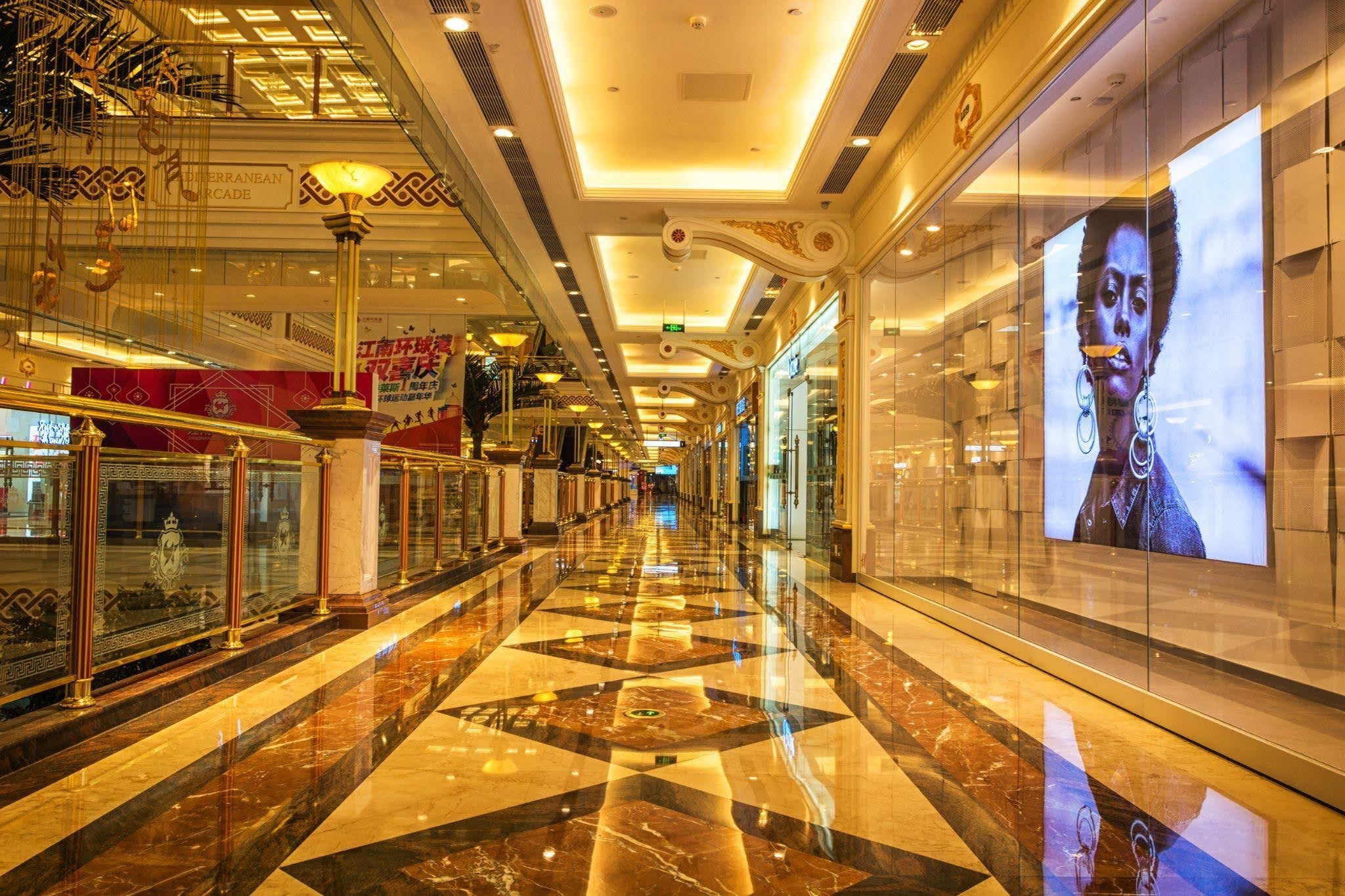
Luxury Retail Goes Digital
The emerging purchasing behavior has also contributed to transforming the meaning of luxury retail from that of flagship stores and personal appointments only to an all-integrating activity where they discover, compare, reserve and purchase premium-end merchandise on multiple online channels like marketplaces, websites, social media, and mobile apps. Even if the final purchase takes place in store, customers will have started their decision-making long before that, often through some online medium.
According to the McKinsey State of Luxury 2025 report, luxury brands are facing a slow yet increasingly sophisticated market environment that also requires professionalization in the areas of digital, data, technology, and supply chain. This professionalization necessarily includes fraud prevention as it is important in the digital boom because fraud attempts continue to grow alongside digital sales.
The main focus for fraud implementation among luxury retailers is likely to be the online channel through which they are able to sell. As such, it’s a brand experience as well. Inadequate checks may indeed destroy business.If controls are too weak against fraud, then a business will lose money; if it is too strict, genuine consumers can get rejected in the middle of a transaction.
Why Luxury Fraud Is Different
There are certain signs that show when someone is trying to trick people when they’re buying luxury goods. First of all, the purchases made are usually expensive. What’s more, customers have very particular requirements, and the deliveries of these purchases often involve international logistics. Thieves may use stolen credit card information, fake identities, attempts to take over accounts, refund abuse, returns that are sent back to the seller, and tricks related to shipping.
These different parts of finance can all be affected by a single payment loss, product loss, chargeback fees, shipping costs, workloads for customer support, and problems with inventory. If these problems are seen by the public, it can also damage the reputation of the brand.
| Fraud risk | How it affects luxury retail | Why it matters |
| Stolen payment cards | Fraudulent purchases of high-value goods | One order can create a major loss |
| Account takeover | Fraudsters use saved cards or loyalty benefits | Damages customer trust |
| Refund and return abuse | Fake claims, switched items, or false non-delivery reports | Expensive with luxury products |
| Reshipping fraud | Goods are sent through intermediaries to hide identity | Makes recovery difficult |
| Synthetic identities | Fake profiles built from real and false data | Harder to detect with basic rules |
| Promo and loyalty abuse | Discounts or rewards are exploited at scale | Reduces margin and data quality |
Traditional rules can catch some of these cases, but luxury fraud often sits in the grey area. The order may look normal at first glance, especially when fraudsters copy real customer behaviour.
Why Basic Rules Are No Longer Enough
Many retailers operate on preestablished norms: they decide to block transactions if over $1,000, the billing country is different from the shipping country and sometimes history. And they stop payment or require verification even in case of high fraud.
Not all of these can stop fraudsters who are always adapting from doing it. After all, as soon as shop owners recognise and block one pattern, cybercriminals are likely to develop another one very quickly.
So, rules for stopping cases like travelling, using a company card, or sending gifts and shipping them to another location can lead to false positives.
This is even more important for luxury products. If a customer is trying to buy an expensive watch, handbag, jewellery or designer item, they won’t be happy with a messy checkout experience. They might feel as though they have been rejected or left out of the purchase.
This is where smart fraud prevention is really useful. Modern fraud detection and prevention systems look at lots of different things, like identity, device, transaction history, behaviour, payment data and order context.
The Role of AI in Fraud Prevention
With AI-based fraud prevention, suspicion behavior could be identified more rapidly and more accurately by a retailer than manually checking. Also, comparing current activities with past ones could allow suspicious combinations of signals to be detected and, most importantly, framed in a constantly renewing environment of fraud tactics.
The overview of the AI solutions Visa provides to combat fraud explains how AI models will support fraud detection over large-scale payment environments by learning all global transaction patterns and refining risk models continuously.
This is important in the luxury e-commerce sector because it’s very hard to spot when someone is committing fraud. One order can include an email that looks normal, an address that is valid, delivery that is fast, and a payment card that is active. The small risk of connecting weak signals through the system: a new device, unusual browsing speed, location that doesn’t match, repeated failed attempts, and a delivery address linked with earlier disputes.
Retailers need a more personalised approach and an AI fraud detection consultation for e-commerce to find out where and when fraud risk appears in the customer journey and which controls affect the purchase experience without causing problems.
Protecting Revenue Without Hurting VIP Customers
However, luxury cannot simply enforce its way into solving fraud and remain with all its customers. Purchasing has to still be smooth and personalized, especially through repeat or VIP customers. Moreover, it cannot be very visible because it certainly must stop the fraud before it cuts into transactions to loss.
It is a better alternative to create risk-based friction. The buying experience will be smoother for low-risk customers without requiring verification. Medium-risk orders may require more authentication. High-risk transactions can be eliminated, declined, or challenged before processing.
The technique would properly balance safety needs and the expectations of customer satisfaction. It is not about increasing obstacles everywhere but adding the right kind of verification only when there is clear evidence of heightened risk.
Key Signals Luxury Retailers Should Monitor
The most effective approach to fraud prevention is looking at the entire shopping journey, not just the payment stage. The big telltale signals emerge well in advance of the actual checkout. The most valuable indicators might come as the following;
- • Sudden changes in account details;
- • Multiple failed login or payment attempts;
- • Unusual device or location patterns;
- • High-value orders from new customers;
- • Billing and shipping inconsistencies;
- • Repeated purchases of easily resold products;
- • Unusual return or refund behaviour;
- • Fast checkout with little browsing activity;
- • Multiple accounts using similar data;
- • Delivery addresses linked to previous disputes.
None of these red flags alone is indicative of fraud. It multiplies when they are found together and compared with common customer behavior.
Fraud Prevention Supports Brand Protection
In the luxury retail industry, this also means protecting the brands. It is not unusual for fraud to lead to fake websites, processes for refund abuse, or account takeovers. These can make people suspicious because they make people think that the brand’s values have been damaged. If a customer doesn’t trust a website, they might go to a competitor or stop buying online.
As well as the supportive measures in place, it also helps to keep things strong when they have internal teams. If there are fewer dispute support cases, there will be fewer chargebacks for finance teams to deal with, and less expensive goods won’t have to be sent to suspicious addresses by operations teams.
Final Thoughts
Luxury shopping relies on trust, exclusivity, and great service. As more people buy premium products online, it is important to make fraud prevention smarter, faster and more connected to the customer’s experience.
Traditional rule-based controls still have their place, but they are no longer sufficient on their own. People who try to trick others are getting better at what they do.
People who buy things expect more.
If you make a mistake, you could lose a lot of money.
Intelligent fraud prevention helps luxury retailers protect their revenue, reduce chargebacks, stop account abuse and provide a smooth experience for legitimate customers. In a place where people’s opinions are just as important as the products, that protection is not something you can do without.