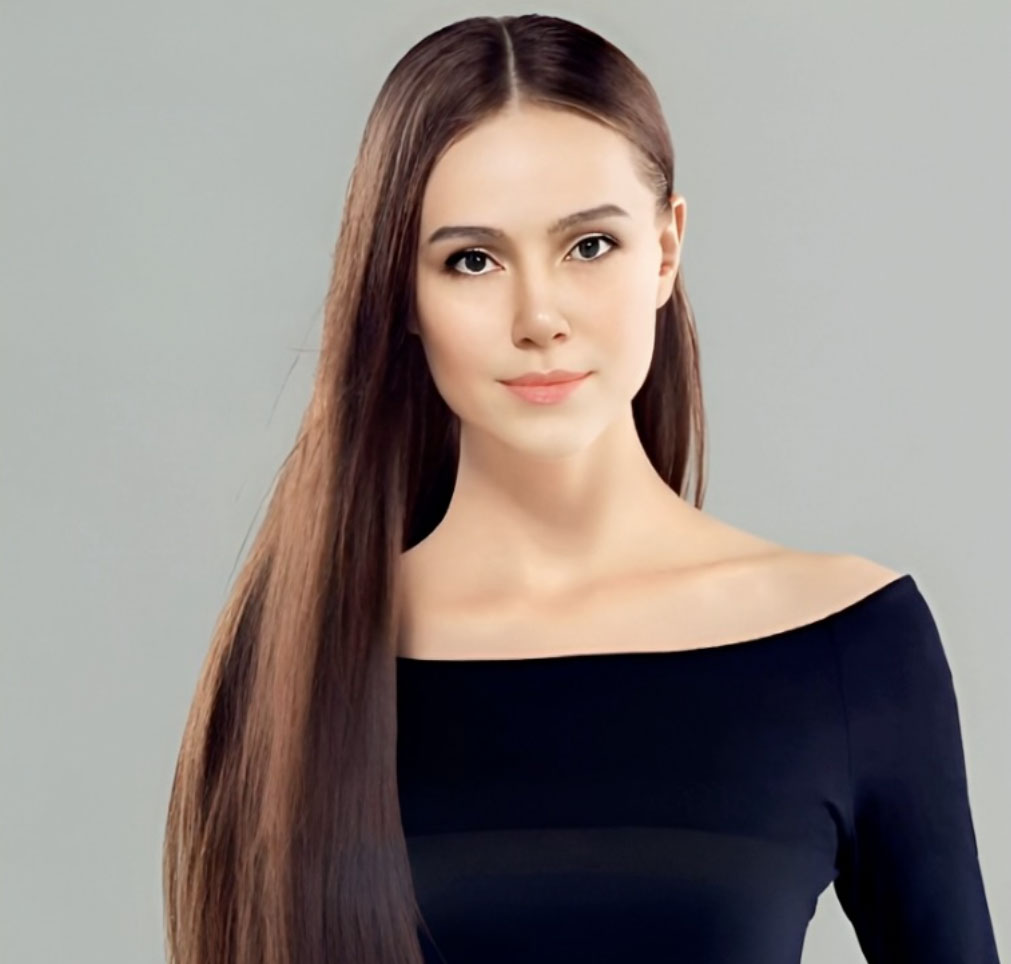
Fashion images never cross over from a digital camera to an Internet site without some form of manipulation. Even a well-planned shoot can present minor glitches: wrinkles in your clothes, sloppy lighting placement, distracting elements in the story, or skin information that needs tactile cleaning .
For a style tag, the information that matters. Product images are often the closest thing a patron can see before buying an item. If the color looks wrong or the fabric looks strangely aligned, the image can create the wrong effect.
At the same time, fashion groups are creating more images than ever before. New collections, product catalogues, social campaigns, and seasonal promotions all need visual content. Manually editing each image can be a tedious and high-value part of the production system.
Artificial intelligence is changing that equation. But it is not necessarily making professional retouchers unnecessary. Instead, AI is giving them another set of tools to work with.
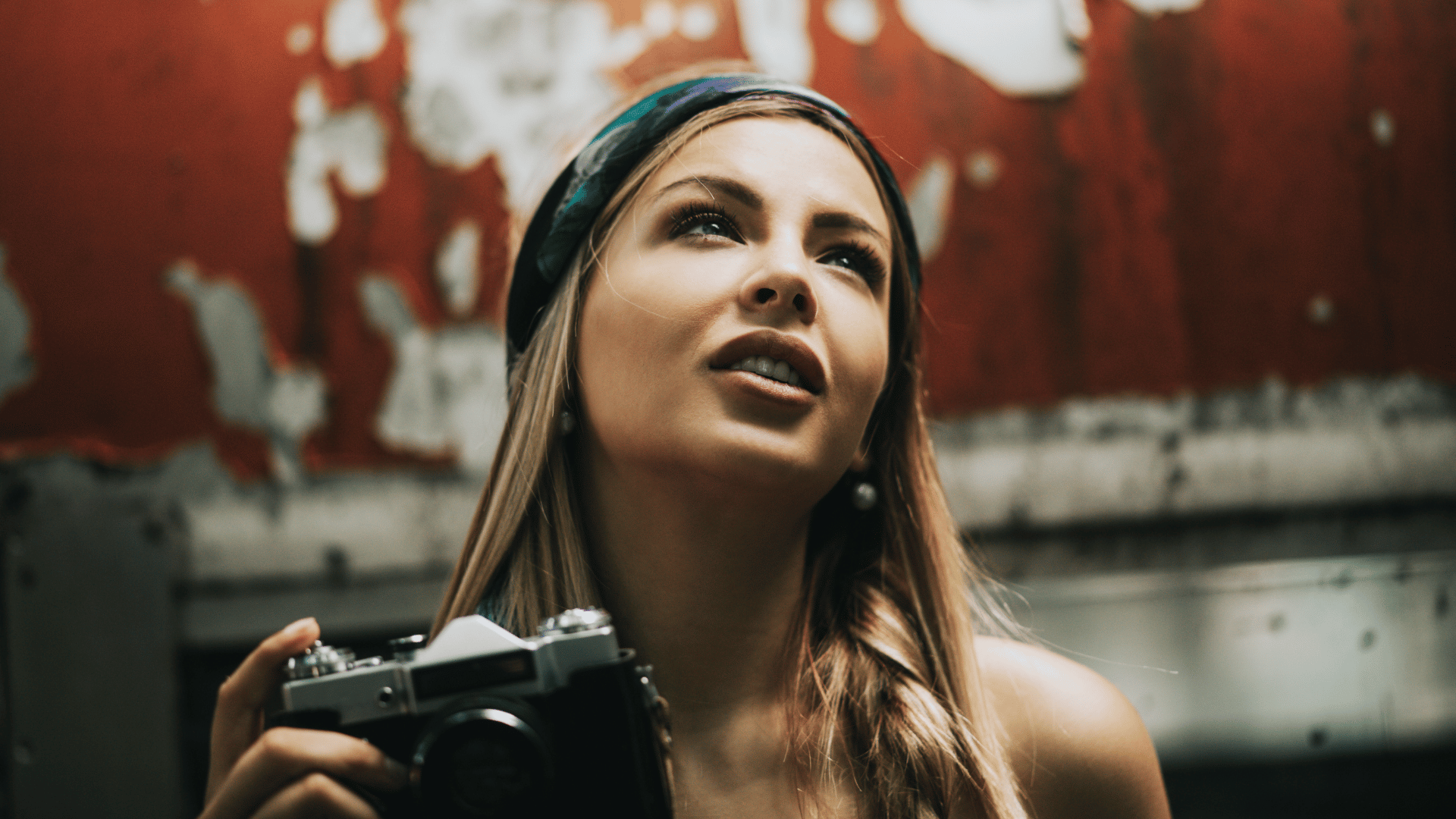
Retouching is more about removing imperfections.
It’s easy to imagine it as a simple before-and-after pattern of style recut. Something seems to be incomplete in the original drawing, the editor corrects it, and the finished drawing is ready.
Professional work is never that authentic.
A retoucher must determine the appropriateness of enhancing the entire section. Removing every wrinkle of the shirt could make the texture of the garment unnatural.
Smoothing the skin too aggressively can take away the feeling that makes the image believable. Increasing saturation can also make the image extra attractive and at the same time make the coloring of the product wrong.
Those selections are based on the image and its purpose.
Marketing campaign images can be treated differently than an image created for a web product catalogue. A luxury brand also wants a chosen mood, while an e-commerce store may place greater emphasis on displaying the product as appropriately as possible.
The software can help with technical drawings. The judgment remains with the examiner.
Where AI Fits Into the Editing Process
AI has become useful for jobs that are repetitive and time-consuming.
Background removal is one obvious example. Instead of manually tracing around a model or product, an AI tool can create an initial selection very quickly. The same technology can assist with object removal, masking, image enhancement and other routine adjustments.
That can make a noticeable difference when an editing team is dealing with hundreds of photographs.
Consider a product shoot containing several hundred images. If an editor can use automation to handle the first stage of background separation, that person has more time to concentrate on the areas where careful judgment is actually needed.
The important point is that the AI output does not have to be the final output.
It can simply be the first step.
Why the First AI Result Is Not Always the Final One
Fashion photographs contain plenty of details that automated systems can misunderstand.
Fine hair can disappear during background removal. Transparent fabric can be treated as part of the background. Jewelry can lose small details. Shadows may be removed even though they help the product look grounded.
There are similar problems with retouching.
An automated skin correction might produce technically smooth skin but remove too much natural texture. An enhancement tool may sharpen an image while making certain fabric details look harsh.
These problems do not mean AI has no place in professional editing. They show why review matters.
An experienced editor can spot an unusual edge, restore a lost detail or tone down an adjustment that has gone too far.
That combination of speed and judgment is becoming increasingly practical for fashion businesses.
A Human Editor Brings Context
One of the biggest advantages of working with a professional retoucher is context.
A person knows that a black jacket should still look like the actual jacket being sold. They can compare images from the same collection and notice when one photograph has a noticeably different tone.
They can also understand instructions that are not easily expressed as a technical command.
A brand might want its photographs to feel clean and understated rather than heavily processed. Another may prefer stronger contrast and a more dramatic finish.
The editing software does not know the brand’s identity on its own.
The editor does.
This is why AI-assisted fashion photo retouching with human expertise can be more useful than relying entirely on automated editing. AI can speed up individual tasks, while a professional remains responsible for the visual decisions.
Consistency Becomes Critical as Image Volumes Grow
Fashion groups regularly want large collections of snapshots edited in incredibly short periods of time.
An online retailer, as an example, can additionally imagine dozens of products in a single consultation.
Each product may require many images, and the images they want to appear to be from the same funnel.
Small differences grow to become apparent when the images are seen next to each other.
One image may have a slightly warmer background. Another may have a different crop. A third may show a garment with noticeably stronger contrast.
Individually, none of these variations seem significant either. Together, they could make the catalog feel disjointed.
Offering professional fashion image retouching to manufacturers can help establish and maintain additional standards in large part.
AI can make iterative improvements faster, while human reviewers can check if the snapshot still matches those requirements.
AI Changes the Work, Rather Than Simply Removing It
There has been plenty of discussion about whether AI will replace creative professionals. In fashion retouching, the more immediate change may be different.
The work itself is being divided differently.
A reacher also doesn’t want to spend tons of time on common options, simple cleanups, or repetitive changes. Instead, it allows them to move towards tighter snapshots, specific finishes, and better controls in their focus.
It takes a unique kind of talent.
Editors need to know which AI tools can do well and in which they tend to make mistakes. They also need sufficient traditional retouching knowledge to correct defects once they appear.
In that sense, technology could definitely make skilled editors more productive rather than redundant.
The Value of Human-led AI Solutions
For a fashion company, buying an AI editing tool and building a professional editing workflow are two different things.
A software application may produce a result quickly. A professional workflow adds standards, review and accountability around that result.
This is where human-led AI fashion image editing solutions have an advantage. The technology can process routine elements of an image, but trained editors remain involved when the photograph requires closer attention.
That model can work particularly well for businesses handling large volumes of commercial imagery.
A team might allow AI to complete the initial pass on a batch of photographs, then have editors review the images and make corrections. More complicated photographs can receive additional manual work, while straightforward images move through the process more quickly.
The workflow becomes selective rather than treating every image in exactly the same way.
Quality Control Still Has a Job to Do
Automation creates an interesting challenge: mistakes can also happen at scale.
If one manual edit is wrong, there is one wrong image. If an automated setting is unsuitable for a particular group of photographs, the same problem can potentially appear across many files.
That makes quality control particularly important.
AI-powered photo editing with professional human quality control gives brands a way to use automation without simply accepting every automated result. Editors can review images, identify unusual outputs and make corrections before the files are published.
Quality control does not necessarily mean manually inspecting every tiny detail of every photograph. A sensible process can prioritize images that need closer attention while using standardized checks for routine work.
The goal is not to slow automation down. It is to make sure automation is being used responsibly.
Different Images Need Different Levels of Editing
Not every fashion photograph deserves the same treatment.
A simple product shot on a clean background may require relatively straightforward corrections.
A mag fashion campaign image can also contain much more focused images regarding pores and skin, clothing, lighting and atmosphere.
Trying to do both systems in exactly the same way is unlikely to produce quality results.
AI is especially useful while the task is repetitive and realistically defined. Human retouching is an added treasure because of increased creative and technical complexity.
A good workflow recognizes that difference.
“Can AI edit this image?” A better question might be, “What parts of this image can AI reliably handle, and where should an experienced editor take over?”
That change of surprise can make the time much more useful.
What the Future Could Look Like
Fashion brands are unlikely to stop needing edited photographs. If anything, the demand for visual content will continue to increase as shopping, advertising and social media become more image-driven.
The editing process, however, is likely to become more collaborative between people and software.
AI will continue taking on repetitive tasks. Editing platforms will become better at recognizing subjects and understanding image content. Professional retouchers will be responsible for choices regarding accuracy, aesthetics, and symbol requirements.
For some companies, this may mean processing much larger image libraries without increasing the editing set at the same rate. For others, it is able to give editors more time to work on the images that really need their attention, really make sense. Neither approach requires human expertise to disappear.
The Best Results Still Depend on Judgment
Technology can make a photograph cleaner. It can make a workflow faster. It can reduce the amount of repetitive work an editor has to perform.
What it cannot automatically determine in every situation is whether the finished photograph feels right.
That judgment remains important in fashion because the image has a job beyond looking technically polished. It has to represent a product, communicate a particular style and fit the visual identity of the brand.
That is why the future of fashion photo editing is unlikely to be a simple contest between AI and human professionals.
The more practical future is a combination of the two.
AI handles the repetitive work. Experienced editors manage choices that require a firm eye for detail. Brands benefit from faster production while not losing control of the best in their visuals.
And for fashion businesses producing visual content at scale, that balance may prove far more valuable than automation alone.