Every day, you wake up with a finite amount of mental energy. When you rely solely on willpower to eat healthier, focus on work, or read more, you are fighting an uphill battle against your own biology. Willpower depletes with every decision, stressor, and distraction you encounter throughout the day. Instead of trying to force yourself to be disciplined, altering the spaces where you live and work makes positive actions the path of least resistance.
The Exhaustion of Constant Self-Control
Most people treat discipline like a muscle they just need to flex harder. However, behavioral psychology repeatedly demonstrates that self-control is highly sensitive to fatigue. If your kitchen counter is covered in junk food, or your smartphone sits directly beside your keyboard, you have to actively choose to ignore them hundreds of times a day. Eventually, your defenses break down. You aren’t failing because you lack drive; you are failing because your environment is actively working against your intentions.
Understanding how this mental drain affects your daily life highlights exactly why a completely different approach to habit formation is necessary.
- Decision fatigue limits overall focus: Every time you talk yourself out of a bad habit, you spend mental currency that could have gone toward productive work, leaving you exhausted by mid-afternoon.
- Stress sabotages good intentions: When you feel overwhelmed, your brain naturally defaults to the easiest available coping mechanism, bypassing your long-term goals entirely to seek immediate comfort.
- Familiar spaces trigger old routines: Sitting in the exact same chair where you normally watch television makes focusing on a difficult project feel almost impossible, as your brain expects passive entertainment.
- Constant resistance burns out motivation: Fighting temptation requires active mental processing, which is why relying on grit alone rarely works beyond the first few weeks of a new goal.
The Power of Friction in Daily Life
The core principle of environment design comes down to friction. You want to reduce the friction associated with good habits and dramatically increase the friction associated with bad ones. If you want to run in the morning, sleeping in your gym clothes or putting your running shoes right next to the bed removes the barriers to getting out the door. You don’t have to convince yourself to hunt for socks; you just get up and go.
This same concept applies to managing your leisure time and screen habits. When structuring your downtime, creating distinct zones—such as enjoying your favorite tabletop games in the living room or exploring new releases at nvcasino 2026 on a dedicated entertainment tablet—ensures your relaxation doesn’t bleed into your workspace. By keeping specific activities tied to specific devices or rooms, you train your brain to associate that environment with a particular state of mind. You no longer have to try hard to avoid distractions while working, because the triggers for those distractions simply aren’t present in your designated work zone.
Practical Strategies to Reshape Your Space
Changing your surroundings doesn’t require a massive remodeling project. Small, deliberate adjustments to your immediate vicinity often yield the most significant behavioral shifts.
Making Cues Highly Visible
Out of sight usually means out of mind. If you want to drink more water, keeping a filled glass bottle prominently on your desk serves as a constant, passive reminder. If you want to practice guitar, leaving it on a stand in the middle of the room makes it infinitely more likely to be played than if it remains packed away in a dark closet. Your environment should visually prompt you toward the person you want to become.
Implementing the 20-Second Rule
Psychologist Shawn Achor popularized the 20-second rule, which suggests that making a habit just 20 seconds easier or harder to start can drastically alter your adherence to it. Taking the batteries out of the remote control and putting them in a drawer makes turning on the television just frustrating enough that you might pick up a book instead. Conversely, pre-chopping vegetables on Sunday afternoon eliminates the 20 seconds of prep friction on a busy Tuesday night, ensuring you cook a healthy meal rather than order takeout.
Optimizing Your Workspace for Deep Focus
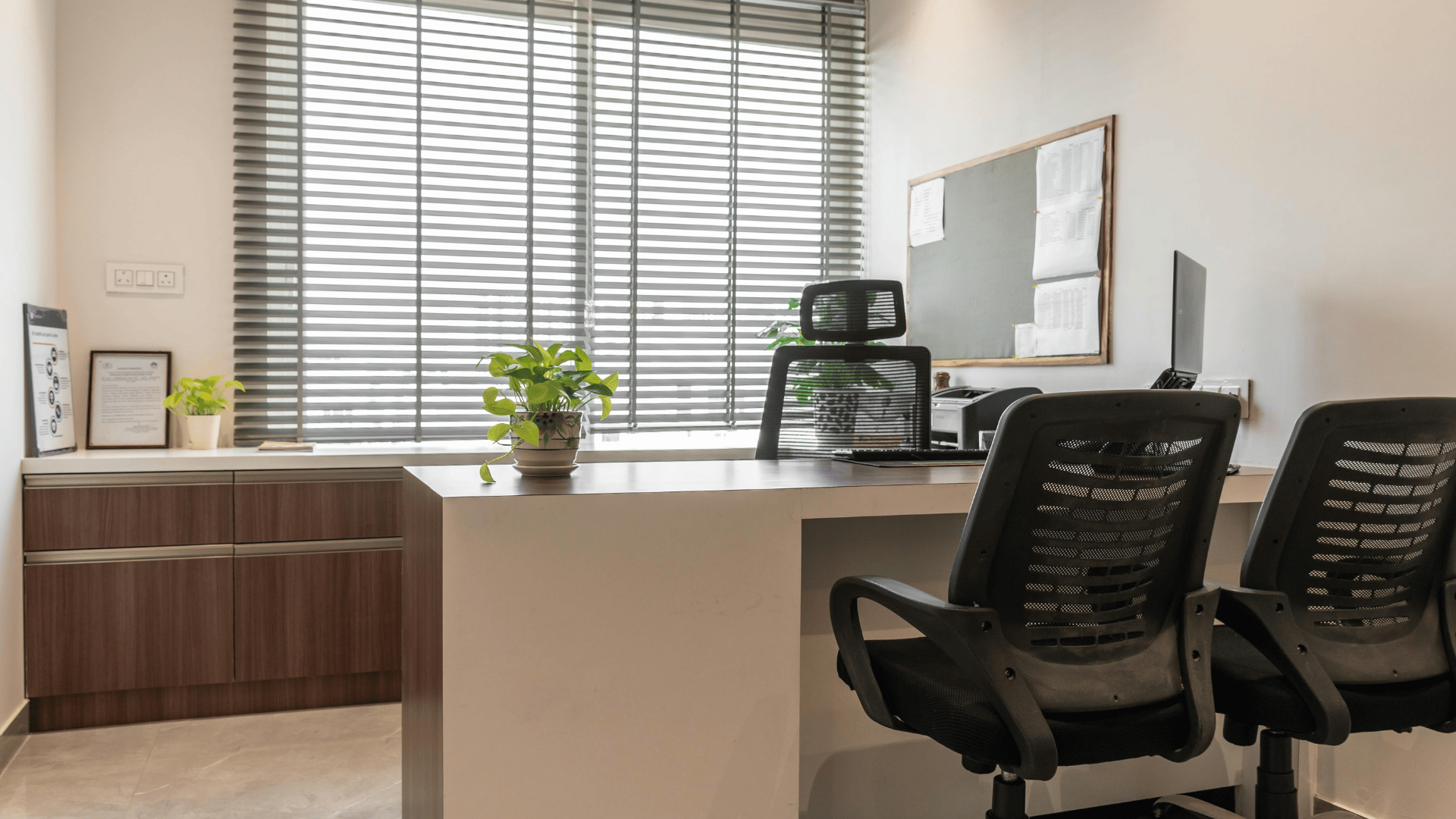
Your professional output is heavily dictated by the visual and physical inputs of your desk. A cluttered environment leads to a cluttered mind, subtly pulling your attention in a dozen different directions before you even open your first spreadsheet or write your first sentence.
Implementing a few deliberate boundaries will fundamentally change how quickly you enter a state of deep concentration and how long you can sustain it.
- Clear the visual field: Remove all non-essential items from your desk, leaving only the tools required for the immediate task at hand to prevent your eyes from wandering.
- Establish a phone quarantine: Charge your smartphone in another room during deep work sessions, completely eliminating the subconscious urge to casually check for notifications.
- Use ambient sound strategically: Swap out lyrical music for white noise, instrumental tracks, or natural soundscapes that effectively mask household interruptions without engaging your language processing centers.
- Set lighting cues: Use a specific, bright desk lamp only when actively working, signaling to your brain that it is time to focus, and turn it off the exact moment your workday finishes.
Making Success Automatic
Willpower will always remain a useful tool for sudden emergencies or unexpected challenges. However, it is an incredibly fragile foundation for long-term habit building and personal growth. By thoughtfully redesigning your environment, you strip away the daily, exhausting struggle of self-restraint. When the right choices surround you naturally, achieving your goals requires far less effort, leaving you with more energy to tackle what truly matters in your life.