The Iconic Fashion Statement of Tupac Shakur
Few artists have influenced music, culture, and fashion as profoundly as Tupac Shakur. More than just one of hip-hop’s greatest lyricists, Tupac became a symbol of authenticity, resilience, and individuality. His wardrobe reflected his personality—bold, practical, and unmistakably unique. Decades after his passing, his signature looks continue to inspire musicians, fashion designers, and everyday fans around the world.
From oversized denim and bandanas to leather vests and Timberland boots, Tupac’s fashion choices represented much more than trends. They told a story about identity, confidence, and self-expression. Today, conversations about timeless cultural icons often appear alongside lifestyle topics, entertainment updates, and even platforms featuring GameZone casino games news, as audiences continue exploring influential personalities across different interests.
Tupac’s Fashion Reflected His Identity
Unlike many celebrities who relied heavily on stylists, Tupac’s wardrobe felt authentic because it reflected who he truly was. His clothing choices were rooted in comfort, street culture, and personal confidence rather than expensive designer labels.
He mixed casual everyday wear with powerful statement pieces, creating an effortlessly memorable style. Whether performing on stage, appearing in interviews, or acting in films, Tupac maintained a consistent image that resonated with millions.
His influence remains relevant today, with fashion blogs, entertainment sites, and lifestyle platforms—including those covering GameZone casino games news—often discussing how cultural icons shaped modern trends.
The Famous Bandana Look
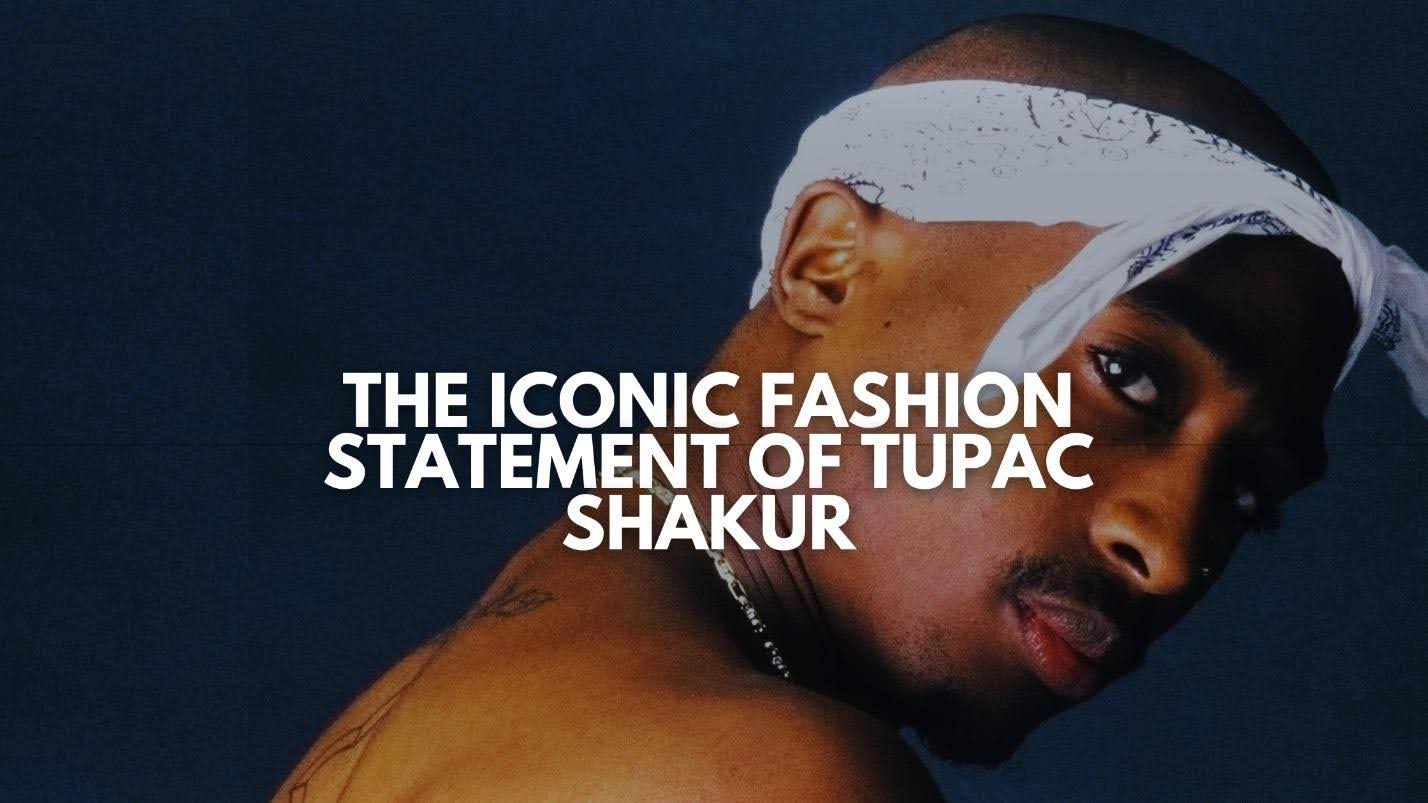
Perhaps nothing represents Tupac’s style more than his iconic bandana.
Rather than wearing it traditionally, Tupac tied the bandana at the front, allowing the ends to stand upright. This instantly recognizable look became one of hip-hop’s most iconic fashion statements.
The bandana wasn’t simply an accessory—it became part of his identity.
Today, countless artists have paid tribute by adopting similar styles, while fashion brands continue releasing collections inspired by the legendary rapper.
The lasting popularity of his signature look demonstrates how powerful personal branding can become when paired with authenticity.
Oversized Denim and Relaxed Streetwear
During the 1990s, oversized clothing became synonymous with hip-hop culture, and Tupac wore the trend effortlessly.
His wardrobe frequently featured:
- Loose-fitting jeans
- Oversized denim jackets
- Relaxed work shirts
- Baggy cargo pants
- Simple white T-shirts
Unlike today’s carefully curated streetwear outfits, Tupac’s combinations looked natural and practical. He dressed in clothing that reflected real life, making his style relatable to fans across different backgrounds.
Gold Jewelry Without Excess
While many rappers embraced extravagant jewelry, Tupac struck a balance.
His accessories often included:
- Gold chains
- Rings
- Watches
- Earrings
Rather than overwhelming his outfit, the jewelry complemented his overall appearance.
This restrained approach allowed his personality to remain the centerpiece instead of his accessories.
Modern fashion enthusiasts appreciate this balance, proving that style doesn’t always require excessive luxury.
Leather Vests and Biker Influence
Another memorable part of Tupac’s wardrobe was his use of leather.
Whether wearing leather vests, jackets, or biker-inspired outfits, he projected confidence and toughness without appearing overly theatrical.
These pieces frequently appeared during concerts, magazine photoshoots, and movie appearances.
The leather aesthetic complemented his rebellious image while remaining versatile enough to pair with jeans or casual pants.
Fashion magazines continue highlighting these outfits when discussing influential celebrity wardrobes, much like readers browsing GameZone casino games news enjoy revisiting legendary figures who continue shaping popular culture.
The Influence of Timberland Boots
Footwear played an important role in Tupac’s image.
Timberland boots became one of his signature choices, representing durability, practicality, and urban fashion.
Although originally designed for work environments, Timberlands became deeply connected with hip-hop during the 1990s.
Tupac demonstrated that functional footwear could become fashionable when paired with confidence.
Today, Timberlands remain popular among younger generations who appreciate vintage-inspired streetwear.
Sportswear Before It Became Mainstream
Long before athleisure dominated global fashion, Tupac frequently incorporated sportswear into his everyday wardrobe.
He often wore:
- Basketball jerseys
- Athletic shorts
- Sweatshirts
- Hoodies
- Track jackets
His relaxed combinations blurred the line between athletic clothing and casual fashion.
This approach eventually became one of the defining characteristics of modern streetwear.
Today’s fashion industry embraces this concept, proving that Tupac’s influence extended far beyond music.
Similarly, lifestyle readers exploring entertainment features alongside GameZone casino games news often discover how iconic personalities helped shape today’s fashion landscape.
Tattoos as Part of Personal Style
Tupac’s tattoos became an essential part of his visual identity.
Each tattoo carried personal significance, expressing beliefs, life experiences, and cultural values.
Rather than hiding them, he proudly incorporated them into his public image.
This contributed to a broader shift in society’s perception of tattoos as artistic forms of self-expression rather than symbols of rebellion alone.
Many celebrities today continue embracing visible tattoos, reflecting the lasting impact of pioneers like Tupac.
Confidence Made Every Outfit Memorable
One reason Tupac’s fashion remains iconic is that he wore every outfit with confidence.
Even relatively simple combinations like jeans, boots, and a white tank top became unforgettable because of his charisma.
Fashion experts frequently emphasize that clothing alone cannot create style.
Confidence, authenticity, and personality complete every look.
This principle explains why many attempts to imitate Tupac’s wardrobe never fully capture his presence.
His clothing reflected his mindset rather than merely following fashion trends.
Hollywood Expanded His Style
As Tupac’s acting career developed, audiences saw a broader range of fashion choices.
Films showcased him wearing:
- Tailored suits
- Formal jackets
- Casual business attire
- Elegant accessories
Despite these changes, his core identity remained consistent.
He adapted to different environments without abandoning the authenticity that defined his image.
Entertainment discussions covering classic cinema frequently intersect with broader lifestyle topics, including GameZone casino games news, where audiences enjoy exploring influential personalities from multiple perspectives.
Why Designers Still Draw Inspiration From Tupac
Luxury brands and streetwear companies continue referencing Tupac’s style decades later.
Design collections often include:
- Bandana-inspired prints
- Oversized silhouettes
- Vintage denim
- Military influences
- Relaxed tailoring
His wardrobe remains timeless because it focused on individuality rather than temporary fashion fads.
Many runway collections reinterpret his signature aesthetic for contemporary audiences while preserving the essence of his original look.
Social Media Revived His Fashion Legacy
Instagram, TikTok, Pinterest, and fashion communities have introduced Tupac’s style to younger generations who never witnessed his career firsthand.
Vintage outfit recreations consistently receive millions of views, while influencers analyze every detail of his wardrobe.
This renewed popularity demonstrates that iconic fashion never truly disappears.
Instead, it evolves alongside new audiences.
The Lasting Legacy of Tupac’s Style
More than thirty years after reaching international fame, Tupac Shakur remains one of the most influential fashion icons in music history.
His wardrobe represented authenticity rather than luxury, confidence rather than excess, and individuality rather than conformity. Whether wearing a simple white tank top, an oversized denim jacket, a leather vest, or his unmistakable front-tied bandana, every outfit reflected the person behind the image.
His influence continues appearing across fashion runways, music videos, streetwear brands, and social media, proving that genuine style transcends changing trends. Younger artists continue borrowing elements from his signature looks, while designers reinterpret his aesthetic for modern audiences without losing its original spirit.
As fans explore music history, celebrity fashion, entertainment features, and even lifestyle content that includes GameZone casino games news, Tupac’s name consistently emerges as a timeless symbol of confidence and cultural impact. His fashion choices were never simply about clothing—they became visual expressions of resilience, creativity, and authenticity that continue inspiring people around the world.
Tupac Shakur’s legacy reminds us that true style isn’t determined by labels or price tags. Instead, it comes from embracing one’s identity with unwavering confidence, making every outfit a reflection of character rather than just fashion. That enduring message ensures his iconic fashion statement will remain influential for generations to come.