
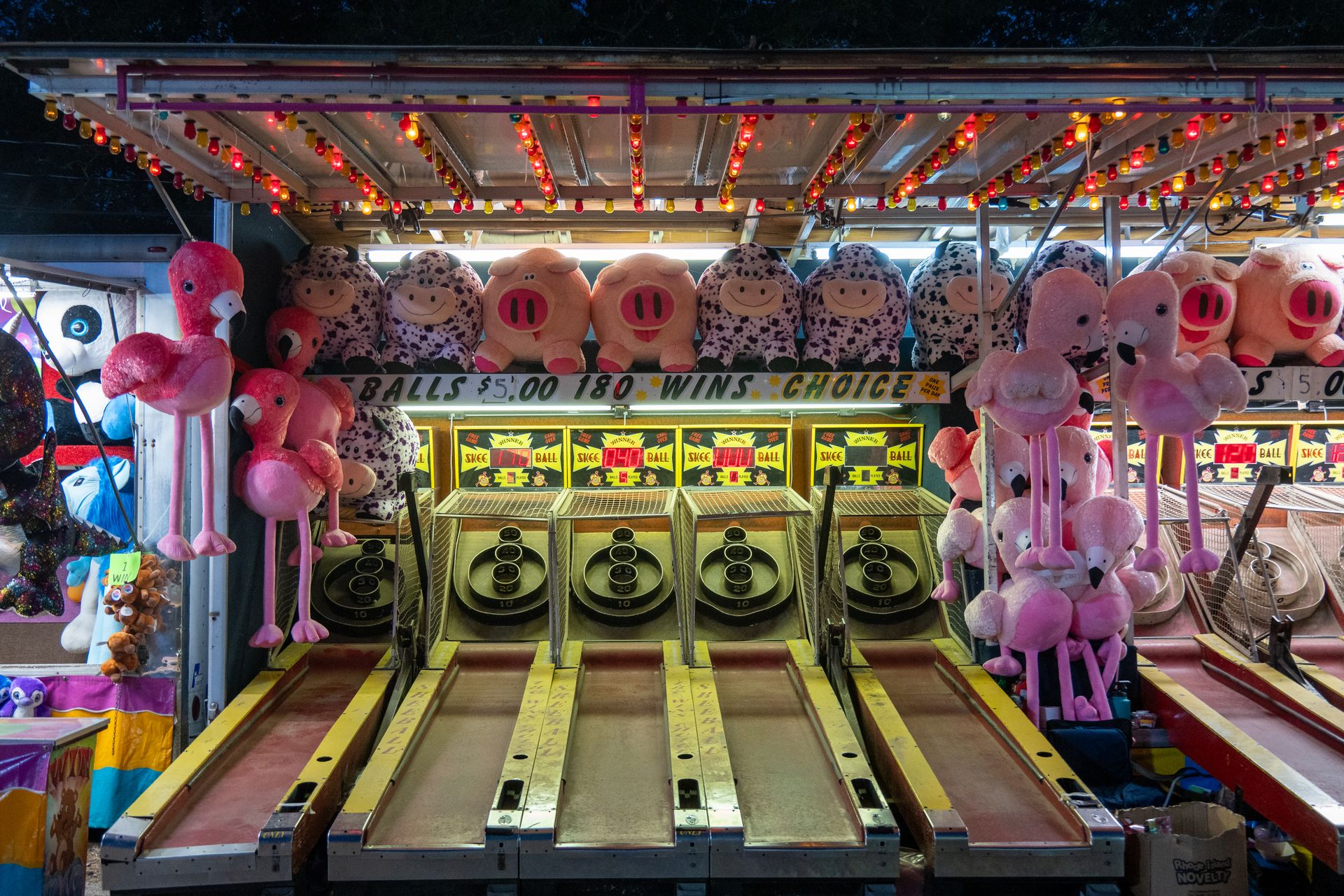
From Student Activities to Alumni Events Carnival Games for Campus Communities
College campuses are designed to bring people together, but community does not happen by accident. It is built in residence halls, student centers, athletic fields, quads, and reunion weekends through experiences that give people a reason to gather. In that setting, carnival games offer something many campus programs struggle to create: a broad, immediate appeal that cuts across age, academic interest, and social circles. They are familiar without feeling stale, playful without feeling childish, and flexible enough to fit everything from orientation week to an alumni gala.
That versatility matters more than ever. Universities are serving a wider range of audiences than in the past, including traditional undergraduates, commuter students, graduate cohorts, faculty families, donors, alumni networks, and local community partners. Each of those groups arrives with different expectations, attention spans, and definitions of fun. Carnival-style entertainment works because it meets people where they are, offering low-pressure participation and a visible sense of energy that can make even a large event feel welcoming.
For campus planners, the appeal goes beyond nostalgia. Carnival games are practical tools for increasing foot traffic, extending dwell time, encouraging interaction, and shaping the tone of an event without forcing participation. A well-designed game area can break the ice at a welcome fair, soften the formality of a fundraising evening, or give a reunion crowd something tangible to do between speeches and performances. In a campus environment that is always balancing programming goals with budget and logistics, that kind of adaptability is hard to ignore.
Why Carnival Games Work So Well on Campus
The strongest campus events tend to offer a mix of structure and spontaneity. Students and alumni alike want a reason to show up, but they also want room to explore, mingle, and choose their own level of involvement. Carnival games are well-suited to that dynamic because they create activity without requiring long explanations or specialized knowledge. A person can walk up, understand the objective in seconds, and decide whether to play alone, with friends, or simply watch others join in.
That accessibility helps campuses solve one of their biggest event challenges, which is drawing in people who might otherwise stay on the sidelines. Many university events are built around performances, speeches, or information tables, all of which can be useful but may feel passive or intimidating. Games change the social equation. They give attendees a natural opener, a quick shared experience, and a visible focal point that makes the room feel active rather than fragmented. When participation looks easy and enjoyable, more people step forward.
There is also an emotional logic behind their popularity. Carnival games tap into recognition and light competition, but they do so in a format that feels forgiving. Winning is fun, yet the stakes remain low enough that people can laugh off a missed toss or an awkward first attempt. That balance is especially valuable on campuses, where events often bring together people from different majors, generations, or social circles who need an easy bridge into conversation. A small moment of play can do the work of a much larger icebreaker.
Building Community Through Better Campus Entertainment
Campus events are most successful when entertainment does more than occupy space. The strongest activities give people a reason to stop, participate, and stay engaged long enough for real interaction to happen. That is especially important at universities, where event organizers are often trying to appeal to students with different interests, habits, and social comfort levels. Passive setups can draw attention, but they do not always create the shared energy that helps people connect. Interactive entertainment tends to work better because it encourages participation without asking much from guests at the start.
That shift matters because campuses are placing greater value on experience. Students quickly notice the difference between programming that feels routine and programming that feels intentional. A well-executed attraction can make an event feel more social, more welcoming, and more memorable from the moment people arrive. It can also help break down barriers between groups that might otherwise stay separate. In that sense, entertainment is not just an extra feature. It helps shape the way people experience the event itself.
That broader shift has created room for specialized partners such as Something New, whose work reflects how far campus entertainment has evolved. Instead of relying on generic rentals, universities are increasingly investing in polished game experiences that feel immersive, visually distinctive, and easy for guests to join. For universities, the appeal is especially clear when planners need campus programming that can support student engagement, large-scale participation, and longstanding traditions. Campuses now expect entertainment to do more than fill space. They want it to shape the atmosphere, reinforce institutional identity, and create opportunities for connection.
Turning Orientation and Welcome Weeks Into Shared Experiences
Orientation is one of the most important windows in the campus calendar because it shapes first impressions that can last for years. New students arrive eager, uncertain, and overloaded with information. They are asked to absorb policies, navigate unfamiliar buildings, meet dozens of people, and imagine what their place in the institution might look like. Carnival games can help ease that transition by introducing a layer of social play that makes the environment feel more human and less transactional.
A game station during welcome week gives students a reason to engage without the pressure of forced small talk. Instead of being told to network, they naturally begin speaking while waiting in line, cheering for a classmate, or comparing results. That distinction is important because not all students are equally comfortable in highly social settings, especially at the beginning of the year. Games provide a structured activity that makes interaction easier for introverts, international students, commuters, and anyone still finding their footing. The best welcome events recognize that comfort often comes before confidence.
They also help institutions communicate culture through action. A campus that includes playful, thoughtfully executed programming in its first major events sends a signal about what student life will feel like. It suggests that the institution values joy, connection, and participation alongside academics. That is not a trivial message. In a competitive higher education environment, the emotional texture of campus life increasingly shapes retention, satisfaction, and word of mouth. Welcome weeks that feel energetic and inclusive can set a tone that carries well beyond the first semester.
Reinventing Traditions for Homecoming, Family Weekend, and Alumni Gatherings
Some of the most successful university traditions are the ones that evolve without losing their identity. Homecoming, family weekend, and alumni reunions all depend on familiarity, but they also need fresh elements that keep them from feeling repetitive. Carnival games are effective in these settings because they add movement and interaction while preserving the celebratory spirit people expect. They can sit comfortably beside pep rallies, tailgates, receptions, and class-specific gatherings without competing for attention.
For alumni events in particular, games serve an important bridging function. They connect past and present by creating a format that works for recent graduates, longtime donors, current students, and multi-generational families. A reunion attendee may arrive focused on catching up with old friends, while a younger guest may be looking for activity and energy. A shared game area creates overlap between those motivations. It offers a place where different generations can laugh, compete lightly, and participate without needing the same history with the institution.
Family weekend benefits in similar ways. Parents, siblings, and students often have different expectations for campus events, and planners need activities that can hold those audiences together. Carnival games are one of the few formats that allow for that kind of range. They are active without being exhausting, social without being overly staged, and visible enough to create atmosphere even for those who do not play every round. When campuses want traditions to feel both rooted and refreshed, this kind of flexible programming can make the difference.
Designing Events That Are Inclusive, Scalable, and Memorable
Inclusion is one of the most important tests of any campus program. It is not enough for an event to draw a crowd if participation remains limited to the most outgoing or most socially connected attendees. Carnival games help broaden access because they can be configured for different ability levels, time commitments, and group sizes. A good game environment invites quick entry and repeated participation, giving people multiple ways to engage rather than a single scripted path.
Scalability is another reason planners return to this format. A small student organization can use a modest game setup to animate a courtyard event, while a university advancement office can build a larger carnival footprint into a major donor weekend. The same concept can expand or contract based on venue, staffing, budget, and audience. That flexibility is especially useful on campuses, where one programming team may be planning intimate residence hall activities one week and institution-wide celebrations the next. Few entertainment concepts travel as smoothly across that spectrum.
Memorability, meanwhile, comes from the combination of aesthetics and interaction. People remember events that gave them something to do, not just something to observe. A carnival-style activation can create those moments through sound, color, movement, and the visible rhythm of play. It invites photographs, conversations, and repeat attempts, all of which deepen recall. When universities want events to travel beyond the venue through social sharing and word of mouth, interactive entertainment often carries more lasting power than passive spectacle.
Making Carnival Games Strategic Rather Than Decorative
The most effective campus events are designed with clear goals, even when they look effortless from the outside. Carnival games become much more valuable when planners treat them as strategic tools rather than decorative add-ons. That means asking what the event needs to accomplish. Is the goal to increase participation at a student involvement fair, encourage alumni mingling before a dinner program, or keep families engaged during a long afternoon block? Once that objective is clear, game placement and selection can be aligned to support it.
Traffic flow is a major part of that strategy. Games can be positioned to draw people into underused corners of an event, create natural pauses between formal agenda items, or hold energy in a space that might otherwise empty out. They can also be used to support sponsor visibility, fundraising moments, or campus storytelling when paired with thoughtful signage and branding. In other words, the value is not only in the game itself but in how the game shapes movement, attention, and interaction throughout the event environment.
Measurement matters too. Universities are increasingly expected to justify programming through attendance, engagement, and participant feedback. Carnival games lend themselves well to those evaluations because their effects are often visible and trackable. Planners can observe line length, dwell time, participation across audience groups, and the extent to which attendees stay longer or move more freely through the space. That data can help prove what seasoned event professionals already understand, which is that play is not a distraction from community-building goals. It is often one of the most efficient ways to achieve them.
The Future of Play in Campus Event Programming
As campuses continue to rethink how they gather people, play is likely to become a more central part of event design. Universities are under pressure to create experiences that feel personal, participatory, and worth attending in person. That challenge cannot be solved by information alone. It requires programming that offers emotional texture and social momentum. Carnival games fit that shift because they create shared experience quickly and without unnecessary friction.
Their future on campus will likely be shaped by customization and design quality. Audiences have become more visually literate and more selective about what captures their attention. A generic activity may still fill space, but it will not necessarily create the impression institutions want. More planners are looking for entertainment that feels branded, polished, and connected to the character of the event. In that environment, carnival concepts that blend craftsmanship, flexibility, and audience awareness are poised to play a larger role.
The deeper reason is simple. Universities are communities, and communities need occasions that invite people to participate rather than merely attend. From student welcome programs to alumni celebrations, carnival games create those occasions by lowering barriers and raising energy. They make room for laughter, conversation, and a little friendly competition, all of which strengthen the social fabric that campuses depend on. In an era when belonging has become both a strategic goal and a human necessity, that is not a small contribution. It is one of the clearest arguments for bringing play back to the center of campus life.