Fashion Influencers Diet Culture to Data-Driven Wellness Shift
A surprising pattern appears across fashion runways and social feeds. Many influencers no longer follow strict food rules or extreme body targets. Instead, they rely on numbers, feedback, and health signals from digital tools.
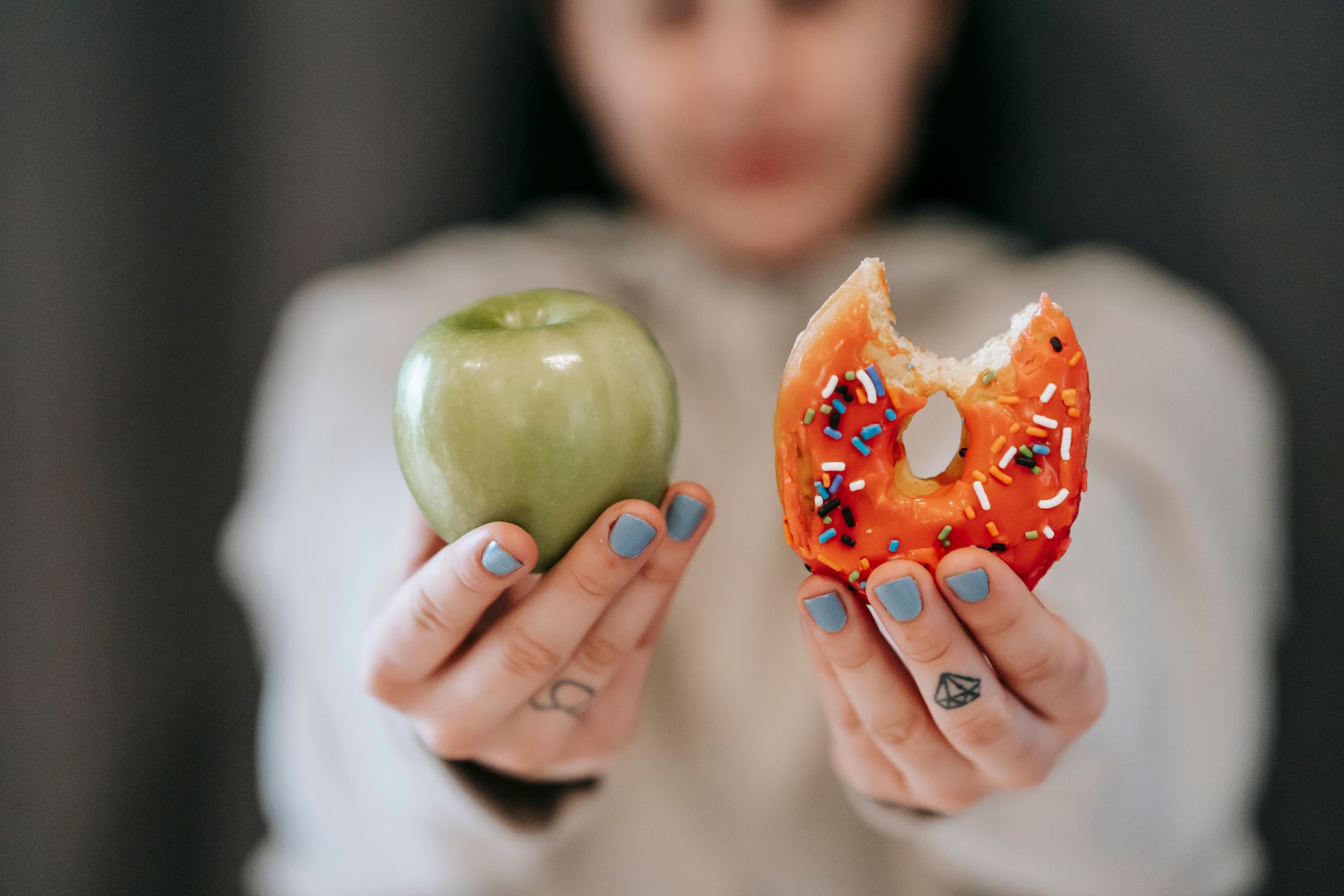
A few years ago, diet culture set rigid limits. Many models faced pressure to eat very little, avoid certain foods, and chase fast visual results. This approach often caused low energy, burnout, and unstable routines.
Now the mindset looks different. Influencers ask new questions. How does the body feel today? What does sleep quality say about performance? How does daily routine affect focus and mood?
This change leads to a broader shift in the fashion industry. Health no longer depends only on appearance. It depends on data, recovery, and long-term balance.
The problem remains clear. Many people still rely on outdated diet ideas while the industry already moves toward smarter wellness systems. The solution comes from a more informed approach where personal data guides daily choices.
Data Replaces Guesswork
Modern fashion influencers want control without extreme rules. They prefer clear signals instead of guesswork. This is where digital wellness tools enter the picture.
Wellness Through Signals
Apps now help people observe sleep patterns, energy levels, food intake, and recovery cycles. Instead of forcing a strict diet, users receive feedback based on real habits.
Many influencers also explore broader wellness knowledge to support this shift. Topics such as mindfulness, breathing methods, and recovery routines appear more often in lifestyle routines. Practices like qigong vs tai chi show how attention moves toward balance, calm focus, and body awareness rather than restriction.
This approach changes how models prepare for work. A runway appearance or photo shoot depends on energy, focus, and confidence, not only body size. Data helps them understand what improves performance and what causes fatigue.
So why does this matter for everyday readers? Because the same tools used in fashion now support anyone who wants a clearer view of personal health.
Performance Over Restriction
Fashion work demands more than appearance. Long shoots, travel schedules, and fast changes require strong energy and mental clarity. Strict diets often fail under these conditions.
Energy Drives Fashion Work
Influencers now focus on performance signals. They look at how sleep affects mood, how meals influence focus, and how stress impacts daily output. This approach replaces strict restriction with flexible structure.
Digital wellness tools support this change. Fitness apps give clear feedback that helps people plan rest, meals, and activity in a more balanced way. Instead of punishment after “bad choices,” users receive guidance that supports better decisions.
This method also reduces pressure. When people see health as a system rather than a set of rules, they avoid extreme behavior cycles. They learn what their body needs instead of following external pressure.
Fashion audiences notice this shift. Content no longer shows only perfect bodies. It now shows routines, recovery habits, and energy management.
New Tools Shape Habits
Influencers depend on structure. Without it, travel, events, and content schedules break consistency. Digital tools provide that structure in a simple format.
Fitness apps now support multiple areas of life. They connect movement, rest, hydration, and focus into one system. This system helps users understand how small daily choices affect long-term outcomes.
Models often deal with irregular schedules. Some days involve early calls and late events. Without clear feedback, it becomes hard to maintain balance. Data helps solve this problem.
Instead of strict diet control, users now follow flexible systems that adapt to their day. A late night does not mean failure. It means a change in recovery focus the next day.
This mindset supports mental stability. People no longer treat wellness as a pass or fail system. They see it as a continuous process shaped by information and awareness.
Industry Mindset Changes
The fashion industry once focused mainly on visual standards. Today, more creators highlight strength, endurance, and mental balance.
Brands also notice this shift. Campaigns now include themes such as wellness, self-care, and sustainable routines. Audiences respond better to content that feels realistic and supportive.
Influencers play a key role in this change. They share routines that include rest, balanced meals, and structured exercise rather than extreme diets. This builds trust with followers who want real solutions instead of unrealistic pressure.
Data-driven wellness also supports long-term careers. Models who understand their energy patterns can work longer without burnout. They avoid cycles of extreme restriction followed by recovery collapse.
The result is a more stable industry mindset. Health becomes part of performance, not a separate goal.
Future Of Wellness Fashion
The future of fashion wellness points toward balance, clarity, and personalization. Technology will continue to improve how people understand their bodies.
Instead of strict diets, users will depend on adaptive systems that respond to daily life. Instead of external pressure, they will rely on personal feedback.
Fashion influencers already lead this change. They show that success does not come from restriction. It comes from understanding the body through data and care.
So the real question becomes simple. Would you trust a strict rule system or a system that learns from your own habits?
The industry already chose its answer. Data now guides the way forward.