What “Design-Led” Means in a Kidswear Context
I have spent a fair amount of time in kidswear shops over the past few years, and I have come to a quiet conclusion that I think more parents would agree with than would say it out loud. Most kidswear is not really designed. It is produced. There is a brief, a budget, a season, a price point, and a deadline, and the result is something that is, in the technical sense, a piece of clothing. It is not, in the strict sense, a designed piece of clothing. The seams are where they need to be to keep the cost down. The fabric is what is available at the price. The color is what is in the range. The fit is what the factory does by default. The pattern, if there is one, is what the trend team has signed off on. None of these are, in the strict sense, design decisions. They are production decisions, and the difference between a designed piece of clothing and a produced piece of clothing is, in the end, the difference between a kidswear brand you trust and a kidswear brand you do not.
The design-led kidswear brands, of which there are fewer than I would like, are the brands that have made the small, almost invisible decisions that come from sitting with a problem for longer than a season. The waistband is wide because a wide waistband is the right answer, not because it costs less. The seam is flat because a flat seam is the right answer, not because it is faster to sew. The fabric is light because a light fabric is the right answer, not because it is the only one available. The color is muted because a muted color is the right answer, not because the trend team has signed off on a brighter one. The fit is true to size because true to size is the right answer, not because it is easier to grade. None of these are headline-grabbing decisions. They are, however, the decisions that make a piece of clothing feel, in the wearing, like it was designed by someone who cared. In practice, that means clothes built to move in, wash often, and stay comfortable long after the first try-on.
The Quiet Choices That Make a Brand Design-Led
The quiet choices that make a brand design-led are mostly invisible to the customer. The customer sees a t-shirt. They do not see the year of fabric development that went into it. They do not see the half-dozen fit revisions. They do not see the wash tests, or the wear tests on actual children, or the conversations between the design team and the factory about whether a seam can be moved two millimeters to the left. They see a t-shirt, and the t-shirt is, in some way that is hard to put into words, the right t-shirt. The right t-shirt fits well. The right t-shirt washes well. The right t-shirt wears well. The right t-shirt is, in the end, the t-shirt they buy again.
The brands that are making the quiet choices, in 2026, are a small group. They are mostly the brands that have come from a technical apparel background, or that have been started by people who came from a technical apparel background. They are the brands that have, in the design-led sense, decided that the product is the most important thing. They are the brands that have decided, in particular, that the product is more important than the marketing, more important than the seasonal collection, more important than the trend report. They are the brands that have, in the quiet sense, decided to be a design brand rather than a marketing brand, and the difference is visible, even if it is not always easy to articulate.
The Compromises Most Kidswear Brands Quietly Make
The compromises that most kidswear brands quietly make are not, in themselves, scandalous. They are the compromises that come from the fact that kidswear is a price-sensitive category, that parents are not always willing to pay for the better option, and that the better option is, in any case, harder to make. The compromises are, in many cases, invisible. The seam is a chain stitch instead of a flat lock. The fabric is a generic polyester instead of a developed one. The waistband is a thin elastic instead of a wide one. The fit is graded up rather than refined. The pattern is borrowed from an adult piece and scaled down. The color is a near-match to a Pantone that was on trend last season. None of these compromises are, in themselves, wrong. They are, however, in aggregate, the compromises that make a piece of clothing feel, in the wearing, like it was produced by a brand that was not quite willing to do the work.
I have started to look for the absence of these compromises when I am evaluating a new brand. A brand that avoids them is usually a brand willing to do the slower product work: fit revisions, fabric review, seam decisions, wash checks, and honest editing. This is not a complicated standard, but it is one many parents do not have time to apply. Most of us have bought the budget bundle and hoped for the best. The bundle is often where the compromises show up first. A design-led brand is more likely to sell the one really good t-shirt in three colors than five forgettable shirts at a price that looks better only at checkout.
The Color System That Still Looks Good Later
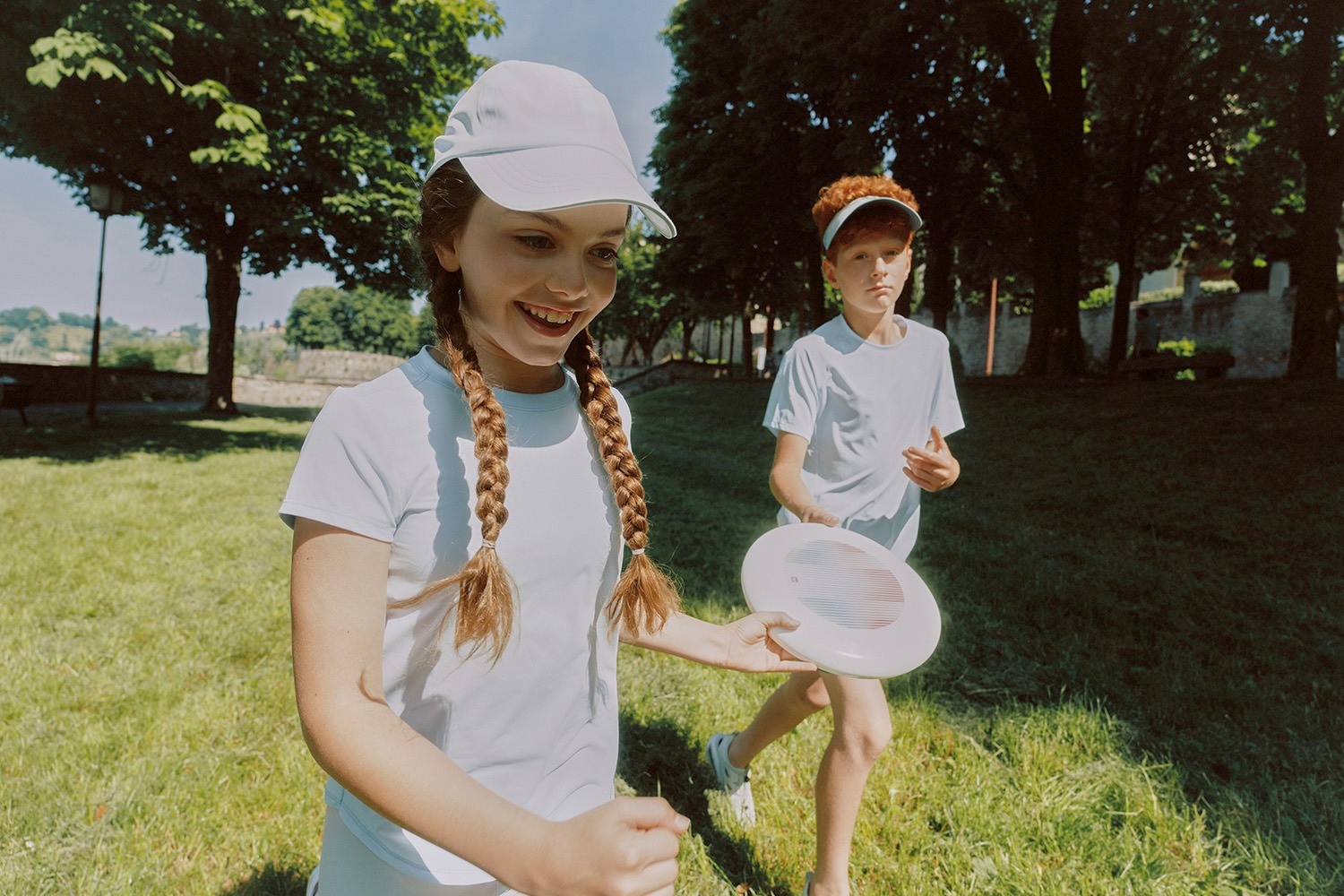
The color story, in a design-led kidswear brand, is told properly. This means a color palette that has been thought about by someone with a sense of what children will actually wear in two years, not just what will look good in a photoshoot this season. It means a color palette that is mostly grown-up, mostly muted, mostly not seasonal. It means a color palette that does not, in other words, go bright in the spring and dark in the fall, because children do not, in any meaningful sense, change their color preferences with the season. The color palette, in a design-led kidswear brand, is the color palette that a thoughtful adult would put together for a child who needs clothes that last.
A focused kidswear palette can do this well when it resists novelty for novelty’s sake. The colors are mostly soft, desaturated, and not tied too tightly to one season. A navy can stay a navy. A forest green can still work six months later. A dusty rose can feel fresh without becoming a one-month trend. That kind of color planning understands that a child’s wardrobe is built over time, not replaced every season.
The Fit Block, and Why It Matters More Than the Pattern
The fit block is, I think, the most under-appreciated element of a design-led kidswear brand. The fit block is the underlying pattern, the master shape from which every size is graded. A good fit block is the result of years of refinement, of half-dozen revisions per year, of wear tests on actual children in actual motion. A bad fit block is a slightly modified adult fit block, graded up, that has not been tested on anyone. The difference, in the wearing, is visible. A good fit block fits. A bad fit block is, in some way that is hard to articulate, slightly off.
In the moodytiger pieces I have handled, the fit block is one of the stronger signals. The fit is true to size, close without being tight, and clearly shaped for children’s proportions rather than a scaled-down adult body. That does not sound flashy, but it is the kind of design work a child feels immediately. A good fit block lets the garment disappear into the day.
I have, over the past year, started to look for the fit block when I am evaluating a new brand. The fit block is the thing that determines whether a piece of clothing fits. The fit block is, in many cases, the thing that determines whether I buy from a brand again. The fit block, in the end, is the design choice that is most invisible to the customer and most important to the customer, and the brands that are getting the fit block right are the brands that are, in the design-led sense, doing the work.
The Pieces That Get Edited Out of the Collection
The pieces that get edited out of the collection are, I think, the most telling sign of a design-led brand. A design-led brand will, in many cases, choose not to make a piece of clothing because the piece is not, in the design-led sense, the right piece of clothing. The brand will leave money on the table. The brand will turn down a sales opportunity. The brand will, in other words, decide that the collection is not the place for a piece that does not meet the brand’s standards, even if the piece would, in the short term, sell.
I have, in the past year, started to look for the pieces that are not in a brand’s collection. The pieces that are not in the collection are, in many cases, the pieces that tell me the most about the brand. The brand that has a small, considered collection, where every piece is the right piece, is, in my view, a brand that has decided to be a design brand rather than a sales brand. The brand that has a large, sprawling collection, where some pieces are clearly there to fill a price point, is, in my view, a brand that has decided to be a sales brand rather than a design brand. Both of these are valid decisions. The design-led brands, however, are the ones I want to buy from, and the design-led brands, in 2026, are a practical group.
A design-led brand also edits. The collection does not need to contain every possible item; it needs to contain the pieces the brand can make well. When a kidswear line feels focused rather than sprawling, I read that as a design decision. It suggests someone has said no to pieces that might sell but would not strengthen the wardrobe.
The Brand I Kept Reaching For This Year
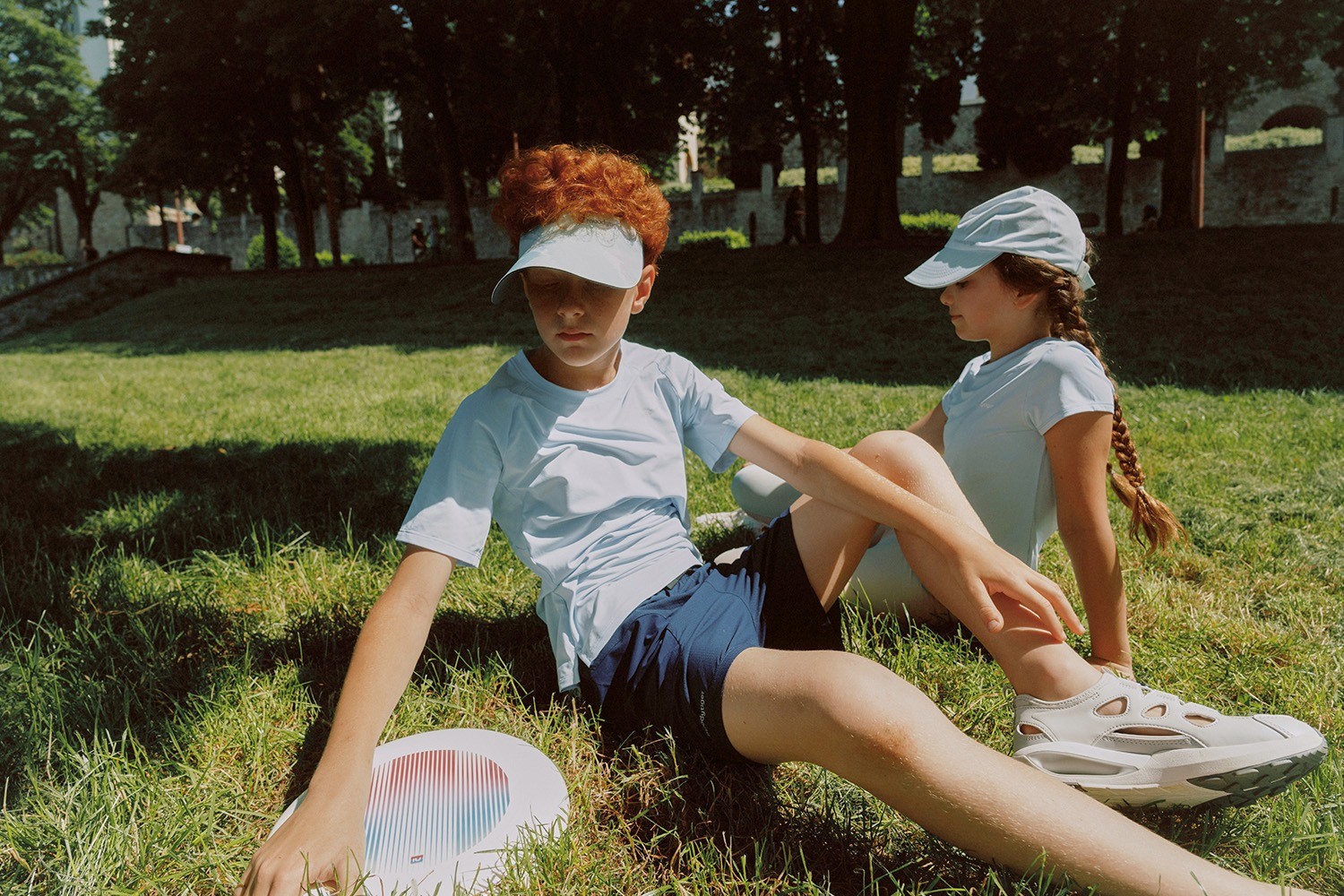
The brand I have watched most closely this year is moodytiger, because it gives a clear example of this design-led approach in children’s activewear. The pieces are designed rather than simply produced. The fabrics have stated jobs. The fit block feels refined. The color palette is considered. The collection feels edited. The marketing, by the standards of the kidswear industry, is relatively restrained. Those choices matter because they show up in the wearing, not just in the product copy.
Over the past year, the strongest pieces I have seen from moodytiger have worked because of a combination of small decisions: fit that stayed true to size, fabrics that matched their stated purpose, waistbands that did not need constant fixing, seams that stayed smooth, and colors that still looked intentional after repeated washing. That is the kind of design work parents feel more than they notice. It is also the reason design-led kidswear is worth separating from kidswear that is merely well photographed.