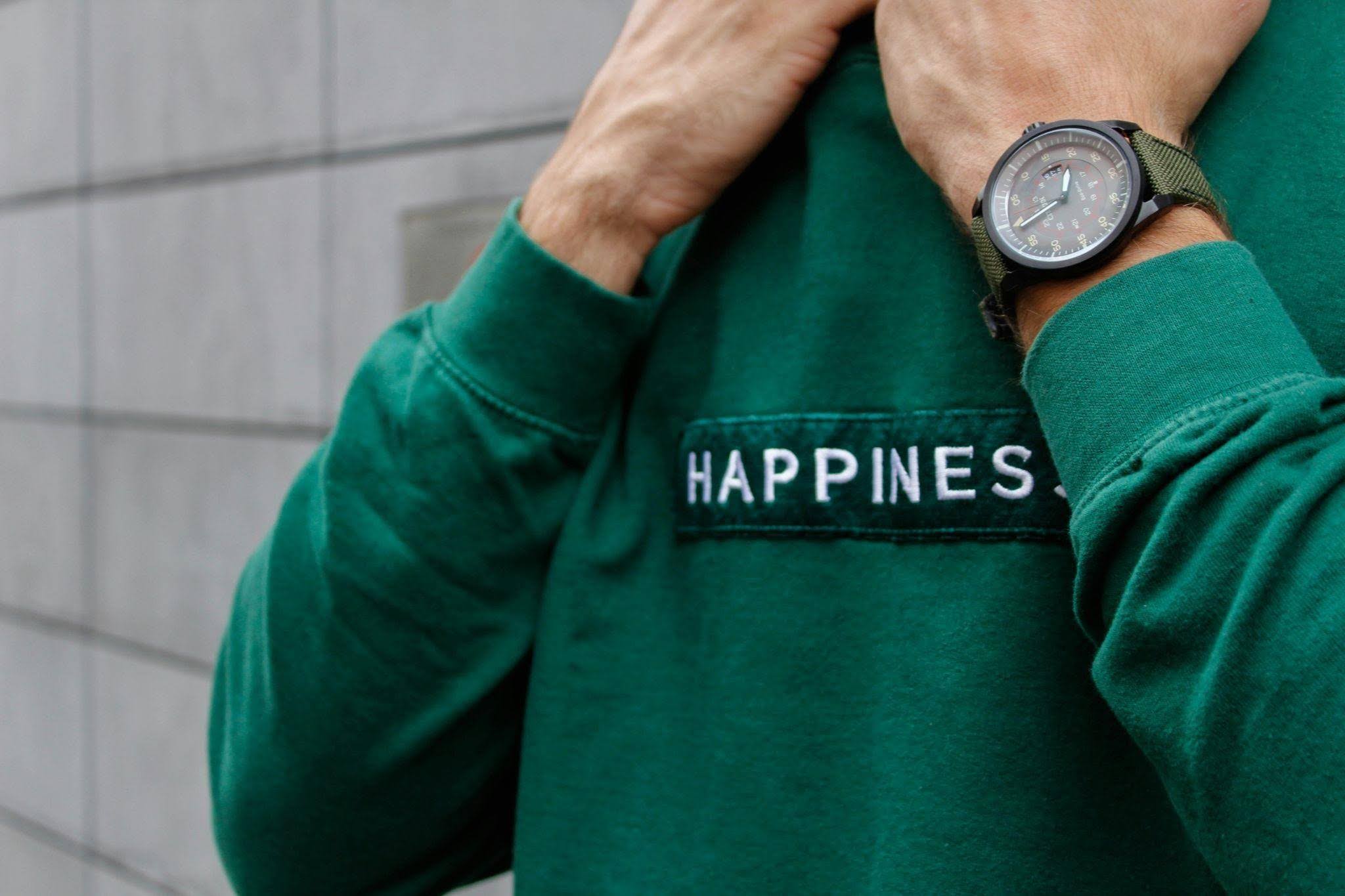
Photo by Alessandro Sicari on Unsplash
People who train consistently eventually encounter a problem that has nothing to do with performance. Their clothes stop fitting the way they are supposed to.
A shirt that fits the shoulders may feel tight across the chest. A button-down that looks great in photos may pull across the arms during normal movement. Even people who are not bodybuilders often discover that standard sizing was not designed with athletic proportions in mind.
At the same time, training creates demands that extend beyond clothing. Recovery becomes increasingly important as workouts become more challenging. Sleep, mobility, relaxation, and recovery habits all begin playing a larger role in how the body feels from one session to the next.
The result is that many active people find themselves paying attention to two areas that rarely appear in the same conversation: how their clothes fit and how effectively they recover.
Creating Space to Unwind
Recovery is not limited to stretching or sleeping. Mental relaxation plays an important role as well. Modern schedules often leave people feeling constantly connected to work, responsibilities, and digital distractions.
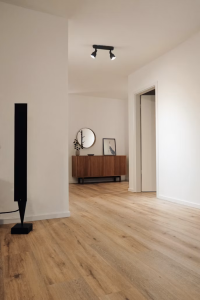
Creating opportunities to disconnect can help support both physical and mental recovery. Many homeowners are investing in spaces specifically designed for relaxation because they want a dedicated place to slow down after demanding days.
For many active individuals, spaces designed around a harvia sauna heater become part of a broader wellness routine that encourages them to step away from daily stress and focus on recovery. The value often comes as much from the routine itself as from the environment. The value often comes as much from the routine itself as from the environment.
Why Standard Clothing Often Falls Short
Traditional sizing assumes fairly average body proportions. For many active individuals, those assumptions do not match reality.
Regular training tends to develop the shoulders, chest, back, and arms more quickly than many clothing brands account for. This creates a frustrating cycle where people size up for comfort but lose the tailored appearance they want everywhere else.
The issue is not necessarily about being exceptionally muscular. Even recreational lifters, runners, athletes, and fitness enthusiasts often notice the difference. A shirt may fit properly around the waist but feel restrictive around the upper body, or vice versa.
This challenge has helped create growing demand for clothing specifically designed around athletic builds rather than generic sizing standards.
Looking Professional Without Sacrificing Comfort
Photo by Kyle Fritz on Unsplash
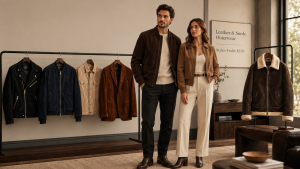
One place where this becomes particularly noticeable is professional clothing. Many active people want to maintain a polished appearance without feeling restricted throughout the day.
Business meetings, events, dinners, and formal occasions all require clothing that looks refined while remaining comfortable enough for real-world movement. Traditional dress shirts can sometimes make this difficult for individuals with broader shoulders or more developed upper bodies.
Comfort and appearance do not have to compete with each other when clothing is designed around how active people are actually built. For many men, athletic fit dress shirts help address the common challenge of finding professional clothing that fits comfortably without relying on oversized garments or frequent alterations.
Recovery Becomes More Important Over Time
Most athletes focus heavily on training when they first begin pursuing fitness goals. As experience grows, recovery often becomes a bigger priority.
The body can only handle so much stress before performance begins declining. Recovery allows muscles, joints, and the nervous system to adapt to the demands being placed upon them. Without it, progress eventually slows.
This is one reason experienced athletes often pay as much attention to their recovery habits as they do to their workouts. The goal shifts from simply working harder to creating routines that support consistent performance throughout the year.
The strongest athletes are rarely the ones pushing at maximum intensity every day. More often, they are the ones balancing effort with recovery effectively.
The Confidence Factor
One interesting connection between clothing and recovery is confidence. Both influence how people feel throughout the day.
Clothing that fits properly can improve comfort and self-confidence in professional and social situations. Effective recovery can improve energy levels, mood, and overall wellbeing. While these outcomes come from different sources, they contribute to a similar result: feeling more comfortable in your own body.
People often underestimate the impact of this feeling. When clothing fits well and the body feels recovered, everyday activities tend to become more enjoyable. Small frustrations disappear, allowing people to focus on the experiences that matter.
Confidence rarely comes from a single factor. It is usually the result of many things working together.
The Best Results Come From Supporting the Lifestyle
Fitness is often portrayed as something that happens during workouts. In reality, it is heavily influenced by everything surrounding those workouts.
The clothes people wear, the recovery habits they follow, the environments they create, and the routines they maintain all contribute to how sustainable their lifestyle becomes. When those elements support one another, consistency becomes easier.
That consistency is what ultimately produces long-term results. Better-fitting clothing encourages confidence. Effective recovery supports performance. Together, they help active people feel more comfortable both inside and outside the gym.
For those with athletic builds, success is not simply about training harder. It is about creating a lifestyle where performance, comfort, recovery, and appearance all work together rather than competing for attention.