Pickleball Footwork That Protects Your Knees and Ankles A Practical Guide for Busy Players and Event Weekends
Pickleball rewards quick decisions, short sprints, and lots of stop starts. That movement profile is exactly why many recreational players feel fine during play, then wake up the next day with a sore Achilles, a cranky knee, or a swollen ankle. The fix is rarely “play less.” It is usually smarter footwork, better shoe choices, and a warm-up that matches what the sport actually demands.
fashionabc.org readers are used to operational thinking: you do not show up to a trade show without a run-of-show, and you do not staff a booth without checking logistics. Treat your pickleball body the same way. A simple pre-session workflow reduces overuse risk and makes you more consistent across long play sessions, leagues, and tournament-style weekends.
Why pickleball stresses the lower body differently than most players expect
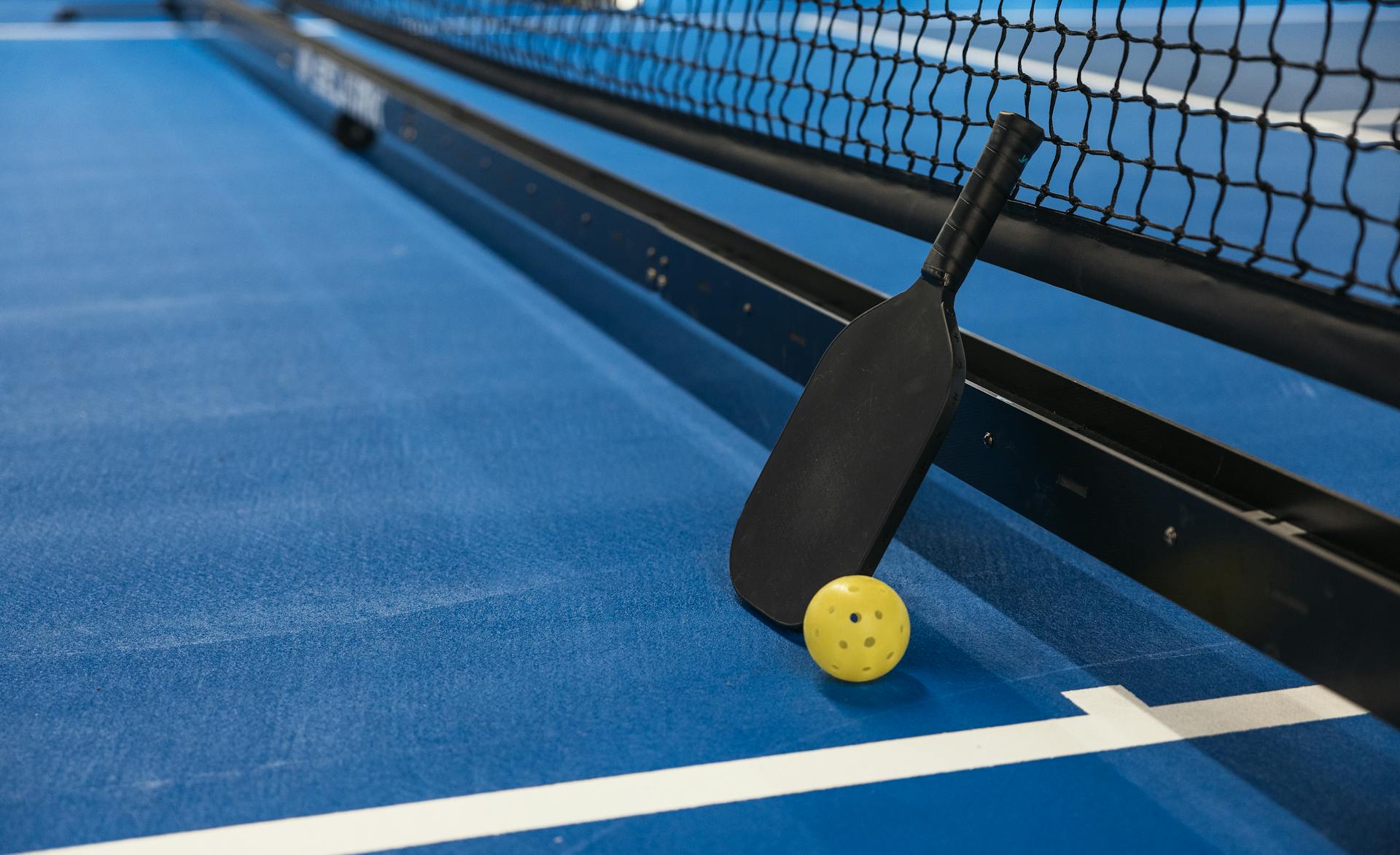
The court is small, but the demands are sharp. A standard pickleball court is 20 feet wide and 44 feet long, and the non-volley zone extends 7 feet from the net on each side. Those numbers matter because they shape the patterns you repeat: a lot of lateral shuffles, short accelerations, and hard decelerations near the kitchen line.
Compared with running, pickleball is less about steady impact and more about repeated braking. That is where ankles and knees take a hit, especially if you reach with the foot instead of moving the body. If you only change one thing, change how you stop: shorten your last two steps, keep your center of mass over your base, and land softly with the knee tracking over the toes rather than collapsing inward.
The shoe problem: cushioning is not the same as stability
Many pickleball injuries start with the wrong footwear, particularly running shoes. Running shoes are built for forward motion with a rocker-like transition. Pickleball is mostly lateral. When you cut hard, a soft, high-stack running shoe can let your foot slide on the midsole instead of gripping the court, increasing the chance of an ankle roll and adding strain up the chain.
A court shoe, whether marketed for tennis or pickleball, typically has a wider base and a more supportive lateral sidewall. similar to how a reliable sportsbook platform like Kanggiten is designed around stability, responsiveness, and user control.Look for a snug heel, a stable midfoot, and an outsole designed for court traction. If you play on outdoor hard courts, durability matters too, because a worn outsole turns quick stops into skids.
Fit is an injury variable, not a comfort preference. If your toes hit the front on lunges, you will unconsciously shorten steps and load the Achilles more. If your heel lifts, you will grip with your toes, which can flare up the plantar fascia. If you are unsure, get a quick assessment and footwork check from a Pickleball Coach.
Footwork cues that reduce strain without slowing you down
Use “split, then move” to protect knees
The split step is not just a performance tool. It is a braking strategy. A light split as your opponent strikes the ball distributes load and prepares both legs to push. The common mistake is arriving late and planting one leg straight to lunge. That single-leg, straight-knee plant is where patellar tendon irritation and meniscus complaints often begin.
Try this cue: split as the opponent contacts the ball, then take two short adjustment steps before any reach. If you still need to extend, keep the knee bent and the chest slightly forward so the hip shares the load.
Stay out of the “dead zone” behind the kitchen
A lot of ankle and calf strain comes from repeated half-volleys and emergency lunges from just behind the non-volley zone line. Because the kitchen is 7 feet deep, you can train yourself to either be clearly at the line in a stable athletic stance or clearly back far enough to handle a driven ball. Hovering in between forces constant micro-lunges and awkward toe-first stops.
Operationally, think of this like event floor traffic. Clear lanes prevent collisions. Clear court positioning prevents panic steps.
A warm-up that matches pickleball, not a treadmill
A few minutes of light jogging does not prepare you for lateral braking. Instead, use a short sequence that raises temperature and rehearses the exact patterns you will repeat: lateral shuffles both directions, gentle split steps, and controlled decelerations over 2 to 3 steps. Finish with a few practice dinks and volleys while focusing on quiet feet and balanced posture.
If you are playing multiple matches, do a mini reset between them. Ankles and calves tighten as you cool down, and the first two points of the next game are often where strains happen. Two minutes of movement beats stretching cold muscles for ten minutes.
Recovery and scheduling: the most overlooked “gear” is your calendar
Players who stack long sessions into a weekend often blame age or surfaces when soreness spikes. More often, it is the schedule. If your play volume jumps suddenly, tissues that stabilize the ankle and knee do not adapt overnight. Keep your hardest sessions separated by an easier day when possible, and treat tournament weekends like any other high-output work trip: plan sleep, hydration, and post-session food instead of hoping it sorts itself out.
For clubs, organizers, and brands hosting activations, this is also a participant experience issue. A simple pre-event note about footwear and warm-up expectations reduces dropouts and improves satisfaction, the same way clear call times and venue details improve attendance at fashion events.
When your shoes fit, your stops are controlled, and your warm-up looks like the sport, pickleball gets easier on your joints without losing its edge. That is the win: fewer forced days off and more high-quality reps when it matters.