Fashion has always been one of the most powerful ways people express who they are. From clothing choices to accessories, style reflects identity, culture, and personality. Today, that same idea is extending beyond wardrobes and into the spaces people live in. Homes are no longer just places to live, they are becoming carefully curated environments that reflect personal style in the same way fashion does.
As design and lifestyle continue to merge, interior spaces are increasingly treated as an extension of identity. Much like selecting an outfit, homeowners are making intentional decisions about materials, textures, colors, and layouts to create spaces that feel authentic to them. This shift is influencing how people approach remodeling, with many turning to experienced builders such as Portland home remodeling to bring their vision to life in a way that aligns with both aesthetics and functionality.
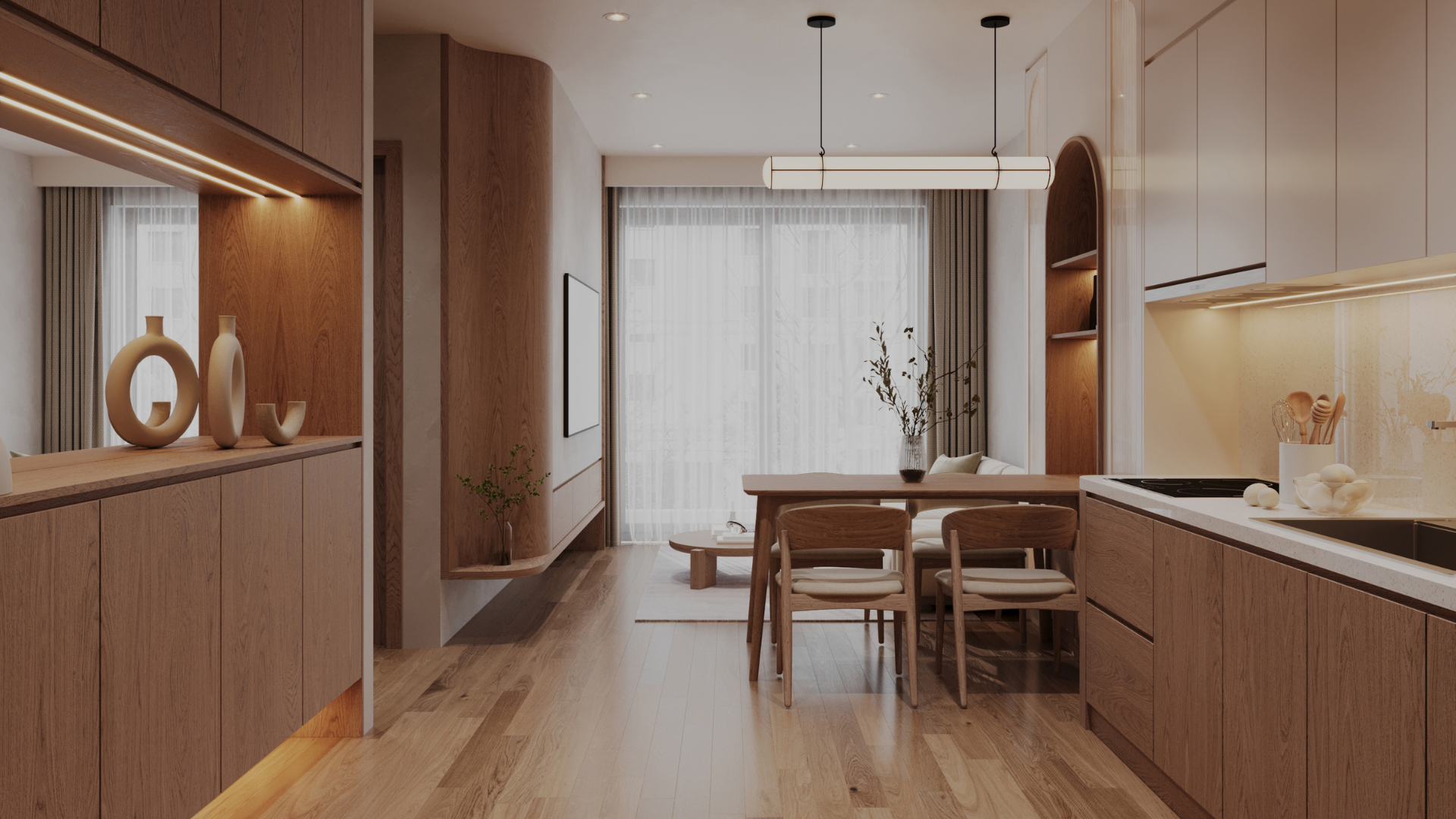
How Interior Spaces Are Becoming an Extension of Personal Style
The Rise of Design as Self-Expression
In fashion, every detail matters, from fabric choice to silhouette. The same is now true for interior design. Floors, walls, lighting, and finishes are no longer just structural elements; they are part of a broader visual narrative.
Modern homeowners are asking:
- Does this space reflect my personality?
- Does it feel cohesive with my lifestyle?
- Does it create a certain mood or atmosphere?
This approach turns interior design into a form of storytelling, where each element contributes to the overall identity of the space.
Materials as the “Fabric” of Interiors
In fashion, fabric defines how a garment feels, moves, and lasts. In interiors, materials play a similar role. Tile, wood, stone, and metal are not just functional, they define the character of a space.
For example:
- Natural stone creates a timeless, luxury feel
- Matte finishes suggest minimalism and calm
- Textured surfaces add depth and personality
- Clean tiles create a modern, polished look
Just like in fashion, the choice of materials can completely transform the final result.
Function Meets Style
One of the biggest trends in both fashion and interior design is the balance between functionality and aesthetics. In the past, design was often about appearance first. Today, it’s about creating something that not only looks good but also works in everyday life.
This is especially important in areas like kitchens, bathrooms, living spaces.
These environments must handle daily use while still maintaining a strong visual identity. Much like wearable fashion, the best designs combine practicality with style.
The Influence of Lifestyle on Design Choices
Lifestyle has become one of the biggest drivers of both fashion and interior design. People are no longer designing spaces just to impress, they are designing them to support how they live.
For example:
- Remote work has increased demand for functional home spaces
- Wellness trends have influenced calm, minimal interiors
- Social lifestyles have driven open and inviting layouts
This reflects a broader shift toward intentional living, where both fashion and design are used to create environments that feel personal and meaningful.
Digital Inspiration and the Rise of Visual Culture
The influence of digital platforms has accelerated this connection between fashion and interiors. Social media, design platforms, and visual content have made inspiration more accessible than ever.
Just as fashion trends spread online, interior design ideas now move quickly across digital spaces. Homeowners can explore styles, compare ideas, and visualize outcomes before making decisions.
This has led to:
- more personalized design choices
- higher expectations for aesthetics
- a stronger connection between trends and everyday living
- Craftsmanship as the New Luxury
In both fashion and design, craftsmanship is becoming increasingly valued. Consumers are moving away from mass-produced solutions and toward quality, detail, and longevity.
Well-executed remodeling reflects this shift. Precision, material quality, and attention to detail are now seen as essential parts of the final product.
Much like a well-tailored garment, a well-designed space stands out because of how carefully it has been built.
Spaces That Reflect Who We Are
At its core, the connection between fashion and interior design comes down to identity. People want to feel represented not only in what they wear but also in where they live.
Homes are becoming:
- more personalized
- more expressive
- more aligned with individual lifestyles
This evolution reflects a broader cultural shift where design is no longer just about trends, it’s about authenticity.
The Future of Design and Lifestyle
As the boundaries between fashion, design, and lifestyle continue to blur, the way people approach their homes will keep evolving. Interiors will become even more personalized, more functional, and more connected to individual identity.
Just as fashion adapts to cultural and technological changes, interior design will continue to evolve alongside it. The result is a world where style is no longer limited to clothing, it becomes part of every environment we live in.