Fashion is no longer defined solely by garments. Increasingly, the way a look comes together depends on how clothing, accessories, and beauty elements interact as a complete system. This shift reflects a broader evolution in style, where identity is expressed not just through what is worn, but through how different elements are combined and repeated across contexts.
As fashion becomes more integrated with function and routine, products that once sat on the edge of style conversations are moving closer to the center. Accessories and beauty tools are no longer supporting details; they are becoming part of how a look is constructed, maintained, and recognized.
How Accessories and Beauty Tools Are Redefining Modern Style Systems
Accessories Create Immediate Visual Identity
Accessories have always played a role in fashion, but their importance has grown as style becomes more visually driven. Items like scarves, hats, and coordinated pieces can signal identity instantly, especially in group settings or repeated public appearances.
This is why custom accessories continue to hold strong relevance. Companies like Diehard Custom reflect this shift, producing scarves, beanies, and other items designed for teams, events, and organizations where visual consistency matters. When an accessory is worn repeatedly, it becomes more than a styling choice, it becomes part of how a group or individual is recognized.
Repetition Turns Style Into Recognition
Fashion often focuses on novelty, but repetition is what builds recognition. When the same elements appear consistently, whether in accessories or overall styling, they begin to define identity rather than simply reflect it.
This is particularly true in environments where visibility matters. A repeated visual element, such as a signature accessory, creates continuity and strengthens how a look is perceived over time. In this sense, consistency can be more powerful than constant variation.
Beauty Tools Are Now Part of the Style Framework
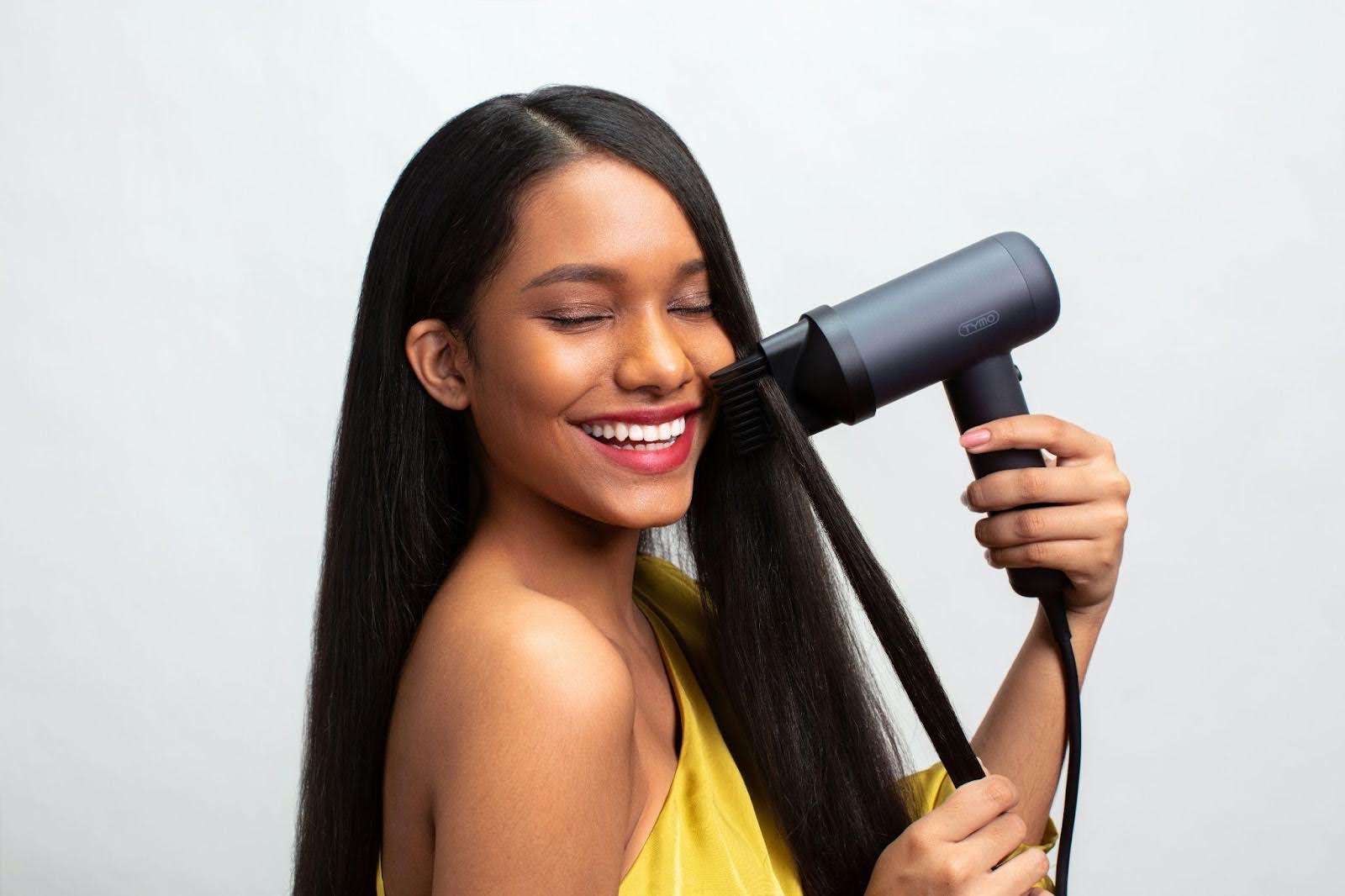
The role of beauty in fashion has expanded beyond finishing touches. Today, the tools used to create and maintain a look are increasingly seen as part of the broader style system.
In professional and personal settings alike, products related to application, retention, and removal influence how polished a look appears and how long it lasts. Access to specialized categories like https://www.plapro.com/ highlights how beauty tools are becoming more integrated into everyday styling routines, supporting both consistency and precision.
Precision Has Become a Defining Element of Style
Modern style places a growing emphasis on precision. Clean finishes, controlled details, and consistent presentation are now key factors in how a look is perceived.
This shift has made the tools behind the look more important. Whether in fashion or beauty, the ability to maintain a consistent standard often depends on using the right products and processes. Precision is no longer optional; it is part of what defines a complete and intentional appearance.
Functionality Is Driving Style Decisions
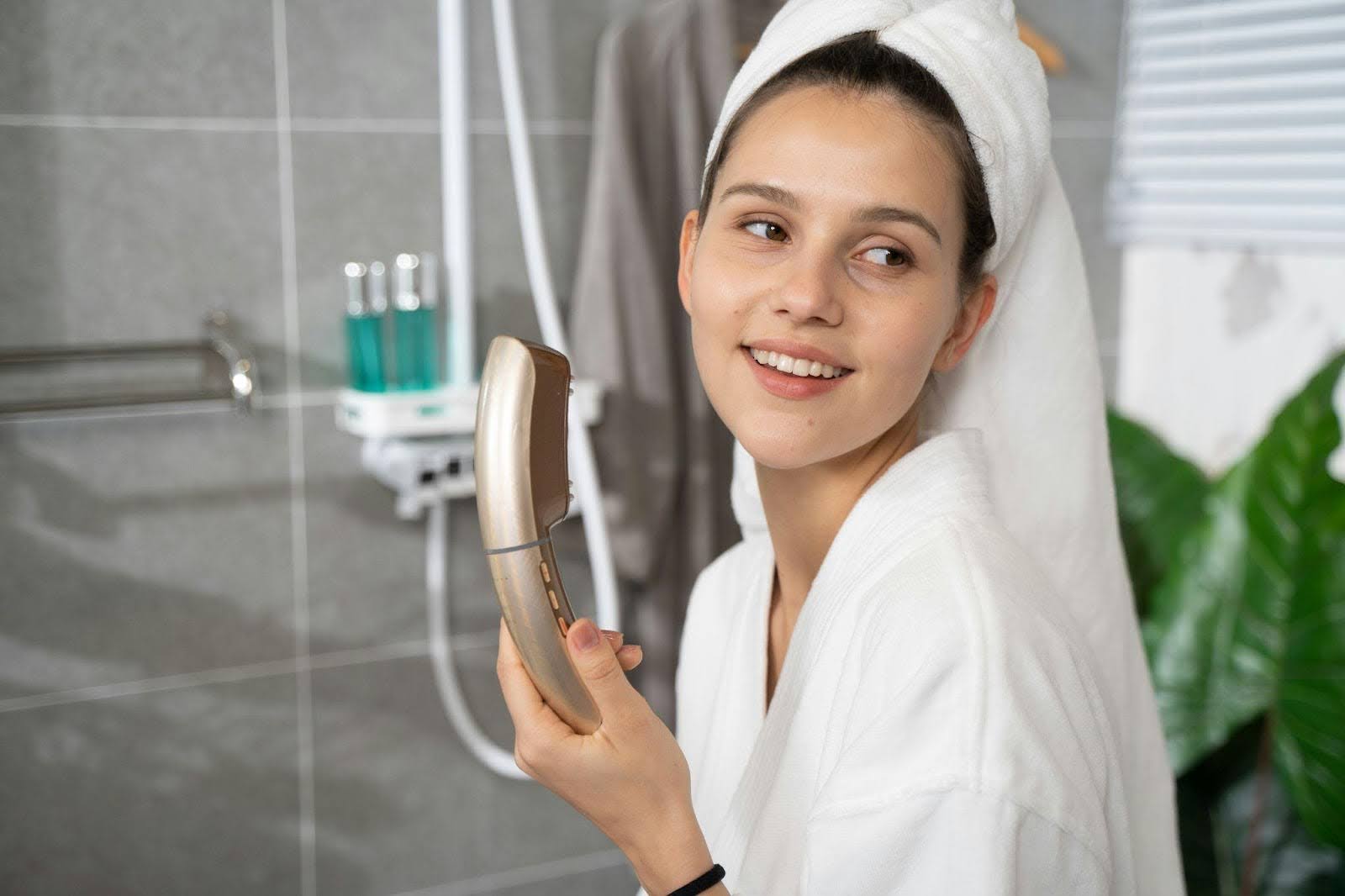
How Accessories and Beauty Tools Are Redefining Modern Style Systems
As fashion becomes more practical, functionality is influencing style choices in new ways. Accessories and beauty tools are selected not just for how they look, but for how they perform over time.
This performance-driven approach is particularly relevant in settings where looks need to last, adapt, or be repeated. Products that support durability and ease of use are becoming more valuable, reinforcing the connection between function and style.
Fashion is no longer defined solely by garments. Increasingly, the way a look comes together depends on how clothing, accessories, and beauty elements interact as a complete system. This shift reflects a broader evolution in style, where identity is expressed not just through what is worn, but through how different elements are combined and repeated across contexts. Industry analysis from Business of Fashion notes that modern fashion now operates as a wider ecosystem that includes beauty, accessories, and presentation tools, rather than functioning as isolated categories.
Integrated Style Systems Are Becoming the Standard
The most effective modern looks are rarely built from isolated pieces. Instead, they are created through a combination of clothing, accessories, and beauty elements that work together cohesively.
This integrated approach allows for greater consistency and adaptability, making it easier to maintain a recognizable style across different settings. As fashion continues to evolve, the ability to combine these elements effectively will become increasingly important.
Style Is Now Defined by How Elements Work Together
The shift toward integrated style systems reflects a broader change in how fashion is understood. Rather than focusing on individual trends, the emphasis is moving toward how different elements interact to create a complete look.
Accessories and beauty tools are playing a larger role in this process, shaping not only how a look appears but how it functions in real-world conditions. This evolution highlights a more practical and structured approach to style, where consistency, precision, and performance are just as important as visual impact.