Starting a children’s clothing line is an exciting venture, but the leap from a brilliant design concept to a finished, retail-ready product can feel overwhelming. The most critical decision you will make in 2026 is choosing the right production partner.
Children’s apparel is a unique segment in the B2B fashion industry. It requires strict adherence to safety regulations, specialized fabrics, and meticulous craftsmanship. This ultimate guide will walk you through the exact steps to find, vet, and partner with a reliable children’s clothing manufacturer.
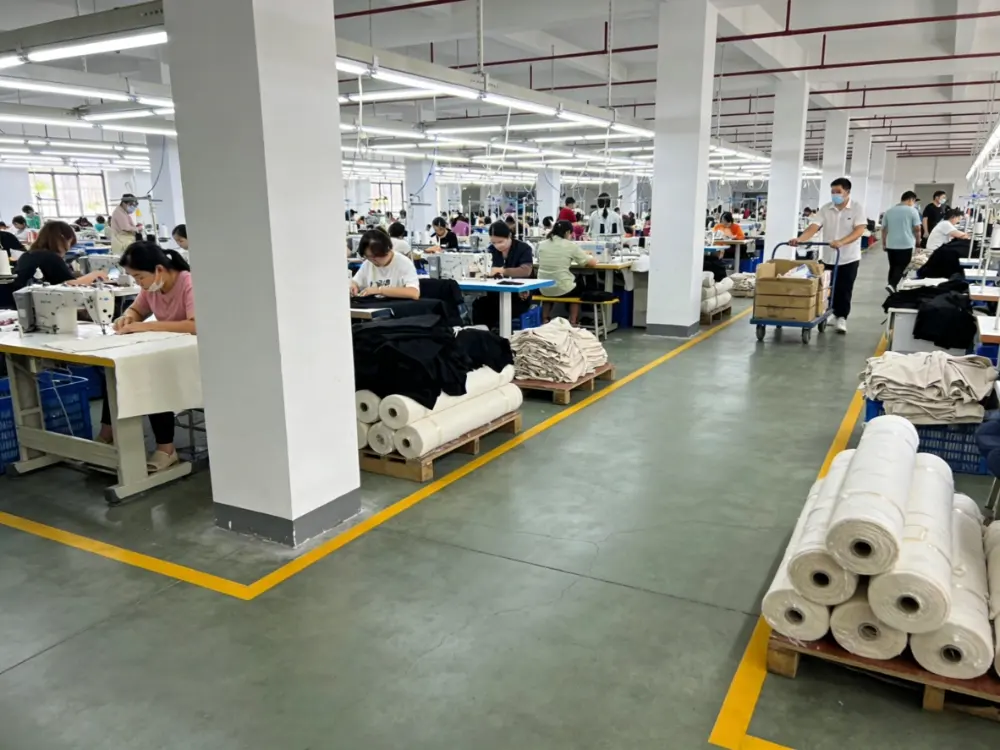
The Ultimate Guide: How to Find a Children’s Clothing Manufacturer in 2026
Understand Your Production Needs Before You Search
Before you even open Google or attend a trade show, you need a clear blueprint of your business model. Manufacturers expect you to know what you want. Going in unprepared can lead to being ignored by top-tier factories or, worse, receiving products that don’t match your vision.
First, decide between OEM (Original Equipment Manufacturer) and ODM (Original Design Manufacturer):
- OEM (Custom Manufacturing): You provide the designs, tech packs, and fabric requirements. The factory simply brings your vision to life. This is ideal if you have unique designs.
- ODM (Private Labeling): The factory provides pre-designed blanks or templates, and you add your branding or minor modifications. This is faster and usually requires a lower Minimum Order Quantity (MOQ).
You must also prepare a Tech Pack. A tech pack is the blueprint of your garment, including flat sketches, measurements, grading rules, material specifications, and hardware details (like baby-safe zippers or lead-free snaps).
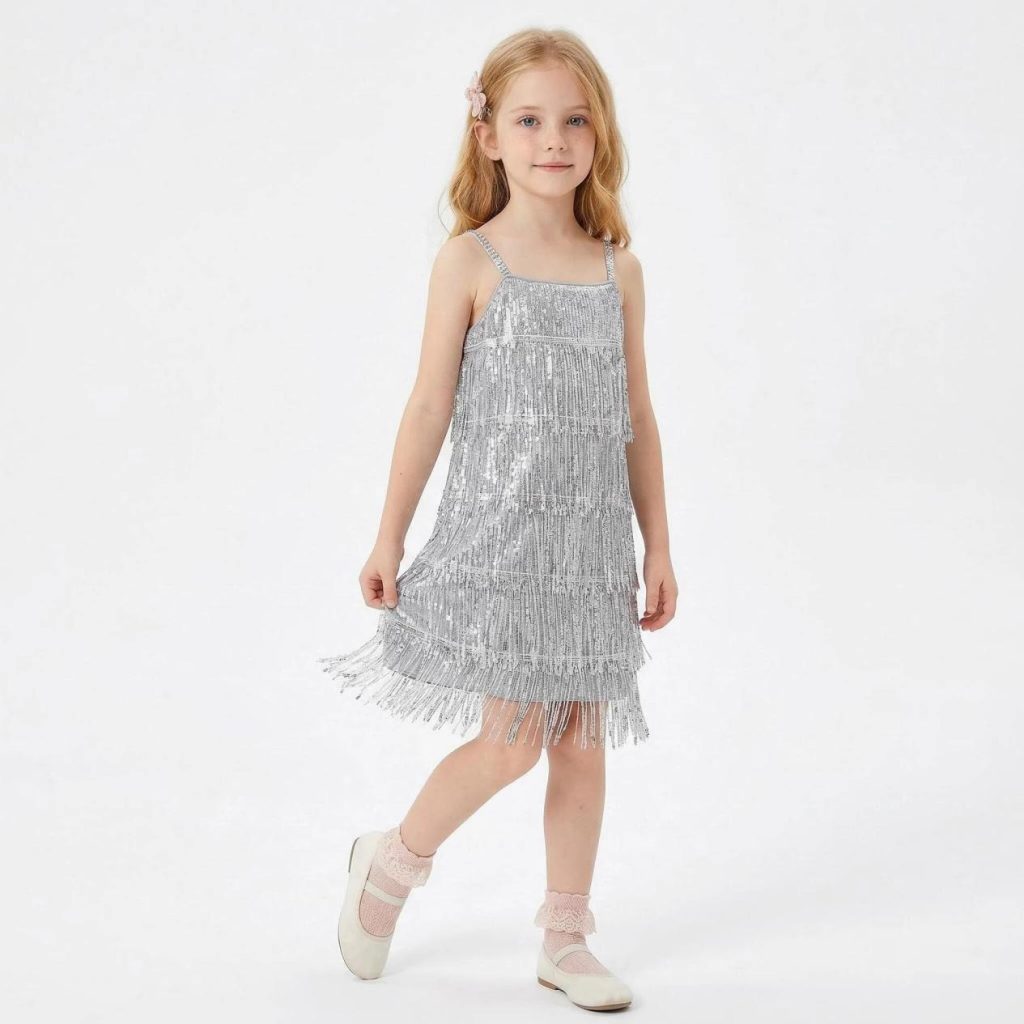
The Ultimate Guide: How to Find a Children’s Clothing Manufacturer in 2026
Domestic vs. Overseas Manufacturers: Which is Right for You?
The next step is deciding where your manufacturer should be located. If your target markets are the US, Europe, or Australia, you have two primary paths:
Domestic Manufacturers (Local to your market):
- Pros: Easier communication, faster shipping times, and easier quality control visits.
- Cons: Significantly higher production costs, which can eat into your profit margins, and often a smaller pool of factories specialized solely in complex children’s wear.
Overseas Manufacturers (e.g., Asia):
Pros: Highly cost-effective, massive scalability, and access to factories with decades of specialized experience in high-volume, high-quality B2B garment production.
- Cons: Longer shipping times and potential language barriers (though top-tier overseas factories now have excellent English-speaking merchandising teams).
- For most growing brands looking to scale in 2026, partnering with a highly vetted overseas manufacturer offers the best balance of quality and profit margin.
Where to Search for Reliable Clothing Manufacturers
Finding a needle in a haystack is easier when you know which haystack to look in. Here are the most effective channels to source a manufacturer:
- B2B Sourcing Platforms: Alibaba and Global Sources are standard starting points. When using these, filter for “Verified Suppliers” and check their transaction history specifically for “children’s apparel” or “kids wear.”
- Industry Trade Shows: Attending events like Magic (Las Vegas), Playtime (Paris/New York), or the Canton Fair allows you to touch the fabrics and meet factory representatives face-to-face.
- Google Deep Dives: Don’t stop at page one. The best factories are great at making clothes, not necessarily at SEO. Use highly specific search strings depending on your business model. For instance, search for “custom kids clothing factory OEM” if you need custom designs, or target specific regions by searching for “wholesale kids clothing suppliers usa” if you are looking for ready-to-ship blanks and local distributors.
- Referrals and Networking: Connect with other brand owners in B2B apparel spaces. A warm introduction to a trusted factory is invaluable.
Vetting for Quality and Strict Safety Compliance
Children’s clothing is heavily regulated, and your manufacturer must understand international compliance. If you are selling to the US, Europe, or Australia, non-compliance can result in product recalls or lawsuits.
When interviewing a potential manufacturer, ask these crucial questions:
- “Are you familiar with CPSC (US), REACH (Europe), or AS/NZS (Australia) standards?” They must know about flammability standards, lead testing for zippers, and choking hazard regulations for drawstrings and buttons.
- “Can you provide ISO or WRAP certifications?” This ensures ethical working conditions and standardized quality management.
- “What is your defect rate?” A professional B2B factory should have a transparent quality control (QC) process, typically inspecting garments at the fabric stage, inline production, and final packing.
The Sampling Process: Your First Test Run
Never place a bulk order without approving a sample first. The sampling phase is your opportunity to test not only the garment’s quality but also the manufacturer’s communication and reliability.
Fit Sample: Made from available stock fabric to test the pattern, sizing, and drape.
Pre-Production (PP) Sample: This is exactly what your final product will look like, using the correct fabrics, colors, and trims.
Pay close attention to how the factory handles revisions. Do they understand your feedback? Are they prompt? A manufacturer who is difficult during the sampling phase will be a nightmare during bulk production.
Negotiating MOQs, Pricing, and Lead Times
Once you are satisfied with the sample, it is time to talk numbers.
- Minimum Order Quantity (MOQ): Many factories demand high MOQs (e.g., 1000 pieces per style). If you are a newer brand, look for manufacturers willing to offer flexible or low MOQs to help you test the market without holding dead inventory.
- Pricing: Ensure the quote is comprehensive. Does it include packaging? Are the terms FOB (Free on Board) or EXW (Ex Works)? Always calculate your landed cost (manufacturing + shipping + duties).
- Lead Times: Typical overseas lead times are 30 to 60 days, plus shipping. Ensure you build a buffer into your calendar for seasonal launches.
Why Partnering with an Experienced Manufacturer Matters
Finding a manufacturer is not just about finding a sewing facility; it’s about finding a long-term business partner. The right manufacturer will act as an extension of your team, offering advice on fabric choices, helping you optimize designs for cost-efficiency, and ensuring your brand reputation remains flawless.
For brands seeking a seamless B2B experience, partnering with an established specialist makes all the difference. Factories like HAPA Garments have built their reputation on understanding the nuances of children’s apparel. From strict quality control and international safety compliance to flexible MOQs and premium fabric sourcing, working with a dedicated partner ensures your brand can scale confidently across the US, European, and Australian markets.