Effectively managing excess stock apparel is crucial for maintaining healthy cash flow and operational efficiency in the fashion industry. This guide provides actionable strategies for small business owners and fashion boutique operators to navigate wholesale clothing liquidation, covering everything from understanding surplus inventory types to finding the right buyers and implementing best practices for preventing future overstock situations.
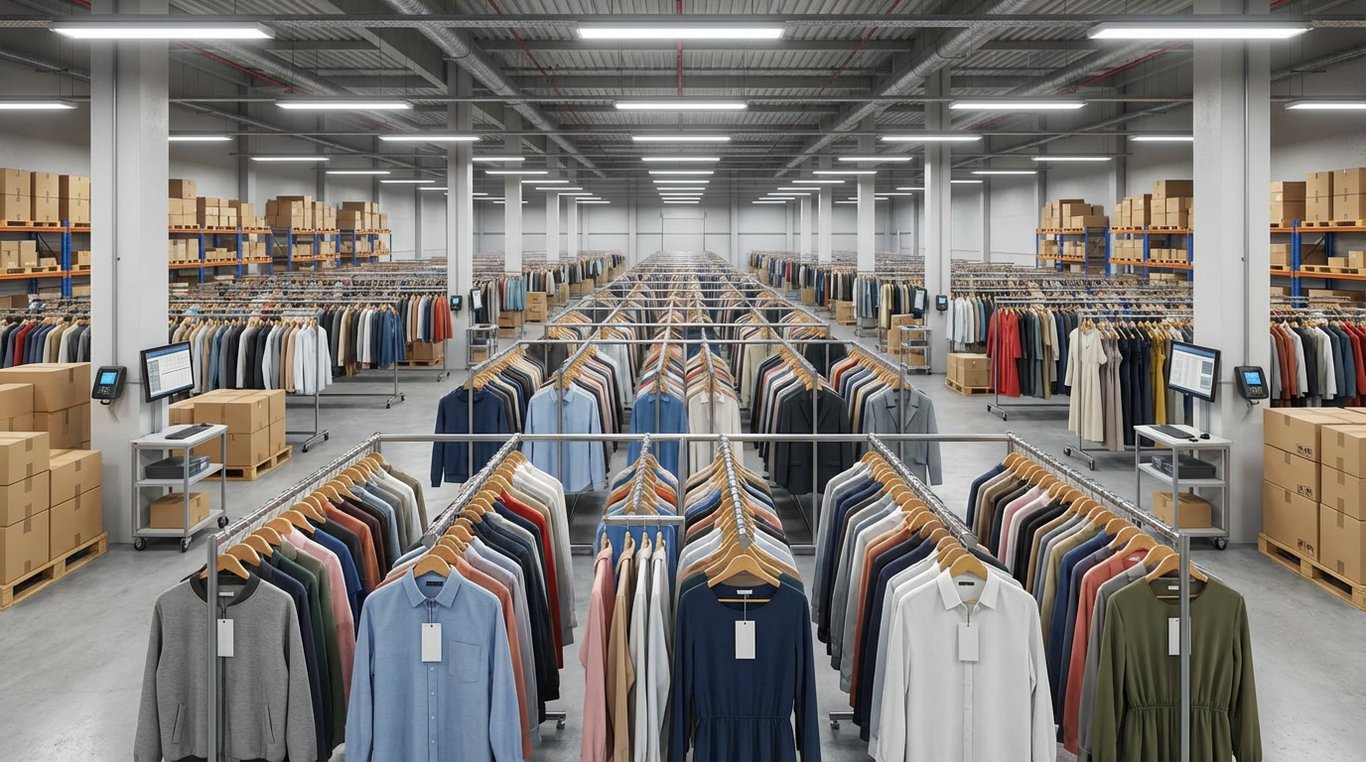
How to Sell Excess Stock Apparel: Complete Guide to Wholesale Clothing Liquidation and Surplus Branded Garments
What is excess stock apparel and why does it occur
What is excess stock apparel?
In the fashion industry, excess stock apparel refers to clothing items that remain unsold beyond their intended sales cycle. This situation develops when retailers or manufacturers hold more inventory than market demand can absorb, creating a financial burden that ties up working capital and occupies valuable warehouse space.
Primary causes of surplus branded garments
- • Unpredictable consumer trends: Fashion brands face the difficult task of predicting consumer preferences months in advance, yet trends can shift dramatically within weeks due to social media influence and changing consumer behavior.
- • Supply chain complications: When shipments arrive later than expected, retailers may receive new seasonal merchandise while still holding previous collections.
- • Weather pattern changes: Increasingly unpredictable weather affects demand for seasonal apparel in ways that traditional forecasting models struggle to anticipate.
- • Multi-channel complexity: Managing inventory across multiple sales channels, from physical stores to online platforms, creates opportunities for miscalculation in size runs and color assortments.
Retailers not only lose the opportunity to invest that capital elsewhere, but they also incur ongoing storage costs while the merchandise depreciates in value. For many fashion businesses, finding effective solutions to move this inventory becomes essential to maintaining healthy cash flow and operational efficiency.
Deadstock clothing – understanding surplus inventory types
What is deadstock clothing?
Deadstock clothing represents a specific category of surplus merchandise that holds particular value in the liquidation market. Unlike customer returns or damaged goods, deadstock consists of brand-new garments that have never been offered for retail sale. These items typically include overproduced quantities, discontinued product lines, end-of-season collections, and merchandise from canceled orders.
Types of surplus apparel wholesale inventory
- • Seasonal overstock: Occurs when retailers order quantities based on optimistic projections that don’t materialize, leaving them with perfectly good merchandise that simply didn’t sell through at the expected rate.
- • Discontinued styles: Garments from collections that brands have decided to phase out, often to make room for new designs or updated branding – while these items may no longer fit the brand’s current direction, they remain high-quality products with substantial market value.
- • Customer returns: Items that may have been worn or damaged, requiring careful inspection and potentially lower pricing.
Understanding these distinctions helps businesses set appropriate expectations for recovery value and identify the most suitable liquidation channels for each inventory type. Deadstock typically commands the highest prices in surplus clothing wholesale markets because buyers can resell these items as new merchandise, making them particularly attractive to discount retailers and off-price chains seeking quality inventory.
How to sell clothing in bulk – effective liquidation strategies
How to prepare your inventory for bulk liquidation
- Categorize your merchandise according to type, condition, and market appeal.
- Document everything with detailed specifications including brand names, style numbers, size distributions, and any relevant seasonal or trend information that might affect value.
- Organize merchandise in a way that makes it easy for potential buyers to evaluate—group items by category, size, or brand as appropriate.
- Create comprehensive inventory lists with accurate counts and clear descriptions.
- Take high-quality photographs to help attract interest, particularly when dealing with branded merchandise or distinctive styles.
This preparation demonstrates professionalism to potential buyers and streamlines the evaluation process.
Pricing strategy plays a crucial role in attracting serious buyers when you sell clothing in bulk. While you’ll need to accept prices below original wholesale cost, understanding the current market for similar merchandise helps establish realistic expectations. Consider factors such as brand recognition, garment condition, and seasonal relevance when setting your asking price. Bulk buyers expect significant discounts in exchange for purchasing large quantities, but they also recognize value in premium brands and current styles.
Where to sell bulk clothes – liquidation channels
- • Specialized liquidation companies: Offer speed and convenience, purchasing entire lots and handling all logistics.
- • Online marketplaces: Provide access to a broader buyer base but require more hands-on management.
- • Export companies: Can be particularly valuable for moving large quantities, as they serve international markets where your merchandise may have strong appeal without competing against your existing retail channels.
Each option presents distinct advantages depending on your timeline, inventory type, and business priorities.
Wholesale clothing liquidation – finding the right buyers
Identifying reputable buyers represents one of the most critical aspects of successful wholesale clothing liquidation. The liquidation market includes various types of buyers, each with different purchasing criteria and business models. Established clothing liquidation companies typically have the resources to purchase large quantities quickly, offering convenience in exchange for lower per-unit prices. These firms have developed networks of resellers and understand how to move merchandise efficiently through various channels. For fashion brands and retailers seeking a dedicated B2B solution to sell excess fashion stock, specialized platforms can facilitate anonymous listings and provide upfront payments, effectively turning overstock into working capital.
Types of overstock clothing buyers
- • Discount retailers: Actively seek quality branded merchandise to offer their customers value-priced options – often prefer specific categories or brands that align with their customer base and can be excellent partners for moving substantial quantities.
- • Off-price chains and outlet operators: Look for opportunities to acquire surplus inventory from recognized brands, though they typically maintain strict quality standards and may be selective about the merchandise they accept.
- • Export buyers: Purchase merchandise for international markets, effectively removing it from domestic competition while maximizing recovery value.
When evaluating potential buyers for your clothing stock clearance, consider their track record, payment terms, and approach to brand protection. Request references and verify their business credentials before sharing detailed inventory information. Understand their purchasing process, including how they evaluate merchandise, their typical turnaround time for decisions, and their payment schedule. Some buyers may require physical inspection of goods, while others work from detailed inventory lists and sample photos.
Protecting your brand reputation throughout the liquidation process requires careful consideration of where and how your merchandise will be resold. Discuss geographic restrictions or channel limitations with potential buyers to ensure your surplus inventory doesn’t undermine your primary retail operations. Many brands prefer working with buyers who export merchandise to international markets, effectively removing it from domestic competition while maximizing recovery value.
Benefits of liquidating surplus branded garments
Financial advantages of liquidation
- • Immediate cash recovery: Converting excess stock apparel into working capital delivers immediate financial benefits that extend throughout your business operations.
- • Capital redeployment: Recovered capital can finance new inventory purchases, support marketing initiatives, or provide cushion for operational expenses.
- • Prevent further depreciation: Fashion merchandise loses value rapidly as trends evolve and seasons change – selling excess inventory clothing while it still holds market value prevents further depreciation and minimizes total losses.
Operational benefits
- • Space optimization: Warehouse space costs money whether it holds fast-moving merchandise or stagnant inventory – liquidating surplus branded garments frees up valuable storage capacity for products with better sales potential.
- • Reduced storage costs: Improved space utilization can reduce overall storage costs and create a more efficient operation focused on merchandise that generates profit.
- • Sustainability impact: Finding secondary markets for surplus garments keeps these items in circulation rather than contributing to landfill waste.
From a sustainability perspective, liquidation represents a responsible alternative to disposal. Many businesses increasingly recognize the environmental and social responsibility aspects of their inventory management practices, and effective liquidation strategies support these broader sustainability goals while potentially enhancing brand reputation among environmentally conscious consumers.
Best practices for managing and preventing excess inventory
How to prevent over inventory situations
- Implement improved forecasting and planning processes using data analysis to identify patterns in customer behavior, seasonal trends, and product performance.
- Examine historical sales data alongside current market indicators to make more informed purchasing decisions that align inventory levels with realistic demand expectations.
- Adopt flexible purchasing strategies that allow businesses to respond to actual market conditions rather than committing to large orders based solely on projections.
- Implement open-to-buy systems that permit in-season adjustments to help retailers adapt to unexpected changes in demand.
- Establish regular inventory monitoring with clear metrics for inventory turnover and alerts for items that aren’t moving at expected rates.
This approach requires strong relationships with suppliers who can accommodate shorter lead times and smaller initial orders, but it significantly reduces the risk of overcommitment that leads to deadstock clothing.
Early identification of slow-moving merchandise creates opportunities for corrective action, whether through promotional activities, channel adjustments, or early liquidation while the items still hold substantial value. This vigilance prevents small issues from escalating into major surplus situations.
Testing new styles or categories with limited initial quantities provides valuable market feedback without the risk of large-scale overstock. This “test and react” methodology allows businesses to gauge customer response before committing to deeper inventory positions. While this approach may mean occasionally missing sales on unexpected hits, it dramatically reduces the frequency and severity of excess stock apparel situations, ultimately protecting profit margins and cash flow.
Getting started with bulk clothing liquidation
Steps to initiate the liquidation process
- Take comprehensive inventory of all surplus merchandise, documenting quantities, conditions, and any factors that might affect marketability.
- Organize this information in a format that potential buyers can easily review and evaluate, including details about brands, style categories, size distributions, and seasonal relevance.
- Research potential liquidation partners before making contact – different buyers specialize in various merchandise categories, price points, and transaction sizes.
- Prepare to answer detailed questions about your merchandise and be ready to provide samples or additional documentation as requested.
- Set realistic expectations for recovery value based on current market conditions and the specific characteristics of your inventory.
- Maintain clear communication throughout the process and document all agreements in writing.
Understanding which clothing liquidation companies align best with your specific inventory helps target your outreach efforts effectively. This preparation demonstrates professionalism and can expedite the evaluation process.
While you naturally want to maximize returns from your wholesale clothing liquidation, understanding typical market rates for similar merchandise helps you evaluate offers objectively. Consider the total value proposition, including payment terms, logistics arrangements, and timeline, rather than focusing solely on per-unit pricing. A slightly lower price with faster payment and simplified logistics may ultimately prove more valuable than a higher offer with complicated terms.
Include specific terms for merchandise specifications, quantities, pricing, payment schedules, and any restrictions on resale channels or geographic markets. Professional handling of these transactions builds relationships that can prove valuable for future liquidation needs, creating a reliable outlet for managing inventory challenges as they arise. These established partnerships can provide peace of mind and faster resolution when surplus situations develop in the future.
Key Takeaways for Effective Apparel Liquidation
Successfully liquidating excess stock apparel involves a strategic approach encompassing thorough inventory assessment, realistic pricing, and careful selection of liquidation partners. By understanding the nuances of deadstock versus customer returns, businesses can optimize their recovery value and streamline operations. Implementing proactive inventory management practices, such as data-driven forecasting and flexible purchasing strategies, minimizes future surplus accumulation. Establishing strong relationships with reputable buyers ensures efficient and brand-protective liquidation processes, ultimately enhancing financial stability and promoting sustainable practices within the fashion industry.