Embracing historical fashion can be a delightful excursion into the past, particularly if you’re drawn to the rich textures and intricate designs of medieval and Renaissance style gowns. These gowns offer a beautiful array of choices for anyone looking to stand out at themed events or even at more casual gatherings. But how do you make the most of these historical garments in a modern context? Let’s explore styling options that amplify the beauty of these iconic designs.
How to Style Medieval and Renaissance Style Gowns for Events
Understanding the Aesthetic
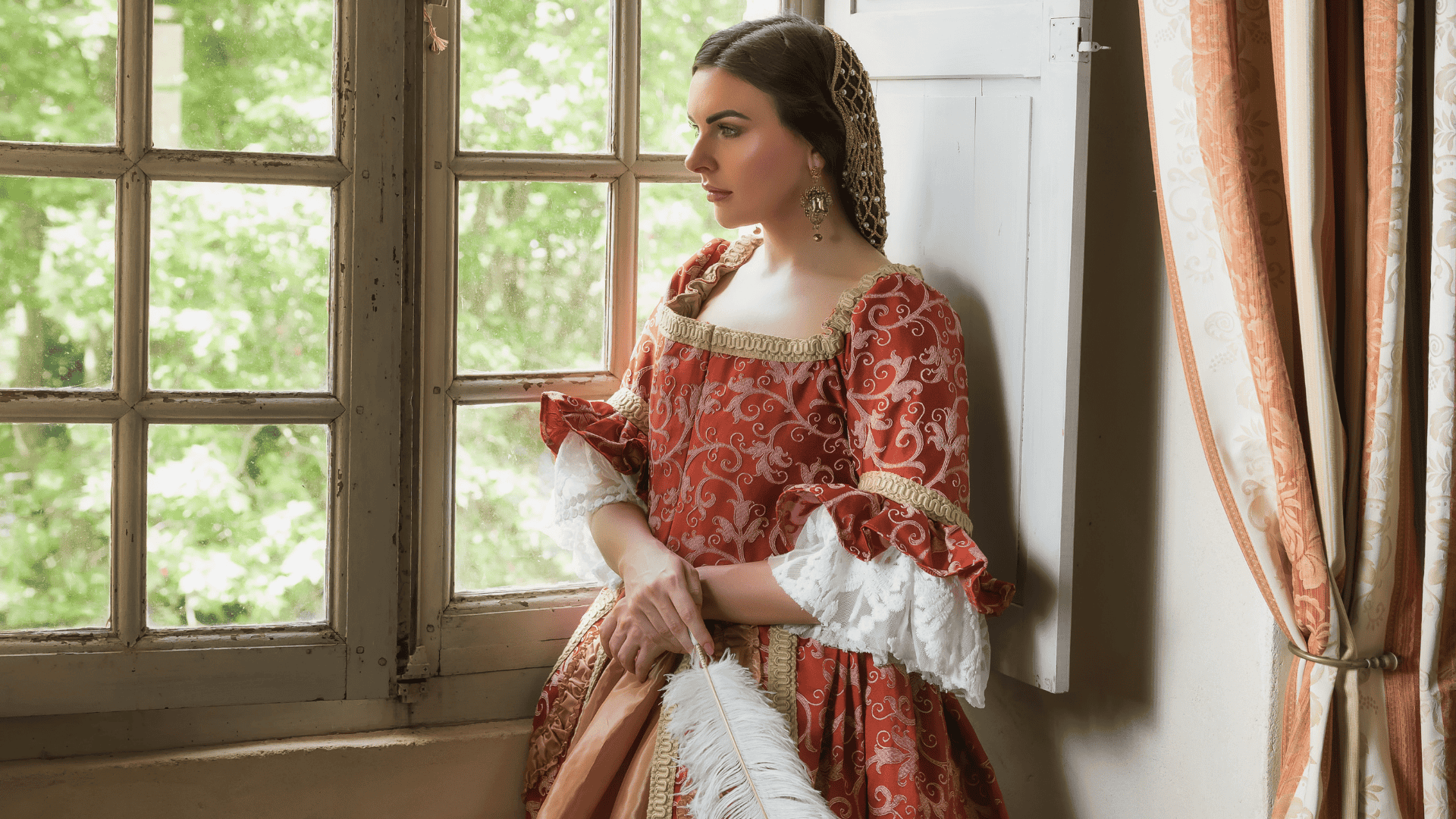
Before diving into styling tips, it’s essential to grasp the essence of medieval and Renaissance fashion. These styles were defined by their rich fabrics, often adorned with layers, embroidery, and specific silhouettes that highlighted the wearer’s figure. Think flowing capes, plunging necklines, and draped sleeves—all of which suggest a bygone era of elegance.
When selecting your gown, consider the nuances between medieval and Renaissance fashions. Medieval dresses often feature simpler lines and darker colors, symbolizing modesty and reserve. In contrast, Renaissance gowns embraced opulence with vibrant hues and lavish details, reflecting the era’s flourishing artistry and cultural exchanges.
If you’re exploring these stunning garments, a great place to start is Holy Clothing, which offers a diverse collection that captures the spirit of these periods.
Choosing the Right Gown
Fabric Selection
The choice of fabric can drastically influence the overall appearance. Natural fabrics like silk, velvet, and brocade not only enhance the visual appeal but also offer comfort—an important consideration for long events. Opt for stunning materials that drape well and have a slight sheen, giving your gown an elegant flair.
Color Palette
When approaching color, consider both the event and your personal style. Earthy tones like deep greens, rich burgundies, and royal blues capture medieval themes well, while the Renaissance invites brighter, more intricate colors—think golds, metallics, or jewel tones.
Accessories: The Finishing Touches
Once you’ve chosen your gown, the right accessories can elevate your look immensely.
Headpieces and Hairstyles
In medieval and Renaissance times, headpieces were not merely decorative but often signified social status. You might choose a simple braided crown for a more authentic medieval look, or opt for a jeweled tiara or fancy hair comb that reflects the opulence of the Renaissance era.
Your hairstyle can also echo the period’s styles. Loose waves or braided hairstyles capture a romantic vibe, while more structured updos can lend an air of Regency majesty. To accentuate your gown effectively, consider the neckline: a modest gown may look best with a simple, understated hairstyle, while a more daring neckline may allow for dramatic hairstyles adorned with ribbons or flowers.
Jewelry
Jewelry during these periods was often significant and symbolic. Necklaces around the collarbone or elaborate brooches can help accentuate any embroidery or detailing on the gown. Precious metals, gemstones, and intricate designs can make your overall look feel more polished.
Keep in mind, though, that less can sometimes be more; if your gown is already heavily embellished, consider simpler jewelry to avoid clashing.
Footwear
When it comes to shoes, comfort should not be overlooked, especially for events that require prolonged standing or dancing. Heeled shoes or boots in rich colors can complement your gown beautifully, but ensure they are in line with the style of your dress. Ideally, your footwear should feel as though it belongs to the same world as your gown—try to avoid starkly modern shoes that jolt away from the historical aesthetic.
Layering and Outerwear
For events that take place during cooler months, consider outerwear options that blend beautifully with your gown. Capes and cloaks are wonderful for adding depth and warmth without overshadowing the dress itself. Velvet or woolen fabrics add a tactile element that can imbue your entire look with a sense of luxurious comfort.
Additionally, shawls and wraps can also serve as practical elements, keeping you cozy while contributing to the layered aesthetic that characterizes both medieval and Renaissance fashion. Opt for fabrics that mirror or complement the main gown, adding a harmonious touch to the overall ensemble.
The Art of Attitude
How you carry yourself can make or break the authenticity of your look. Confidence and ease in your ensemble are essential. Practice walking in your gown ahead of time—this allows you to become comfortable with the fabric’s movement and flow.
Additionally, consider the event’s theme or mood. Are you portraying a regal princess at a Renaissance fair or a mystical sorceress at a themed party? Tailoring your demeanor and posture accordingly will not only enhance your appearance but will also immerse you into the historical character you wish to portray.
Final Thoughts
Styling medieval and Renaissance style gowns for events is an exciting journey through fashion history. By selecting the right gown and accessorizing thoughtfully, you can create an enchanting look that embodies these iconic eras. With attention to detail, from fabric and color to hairstyles and attitude, you will undoubtedly stand out in any gathering, making a striking statement that echoes through time.
So whether attending a themed gala, a fair, or simply a costume party, allow yourself to embrace the rich legacy of fashion that these epochs offer.