How Modern Nutrition Trends Are Influencing the Way People Cook at Home
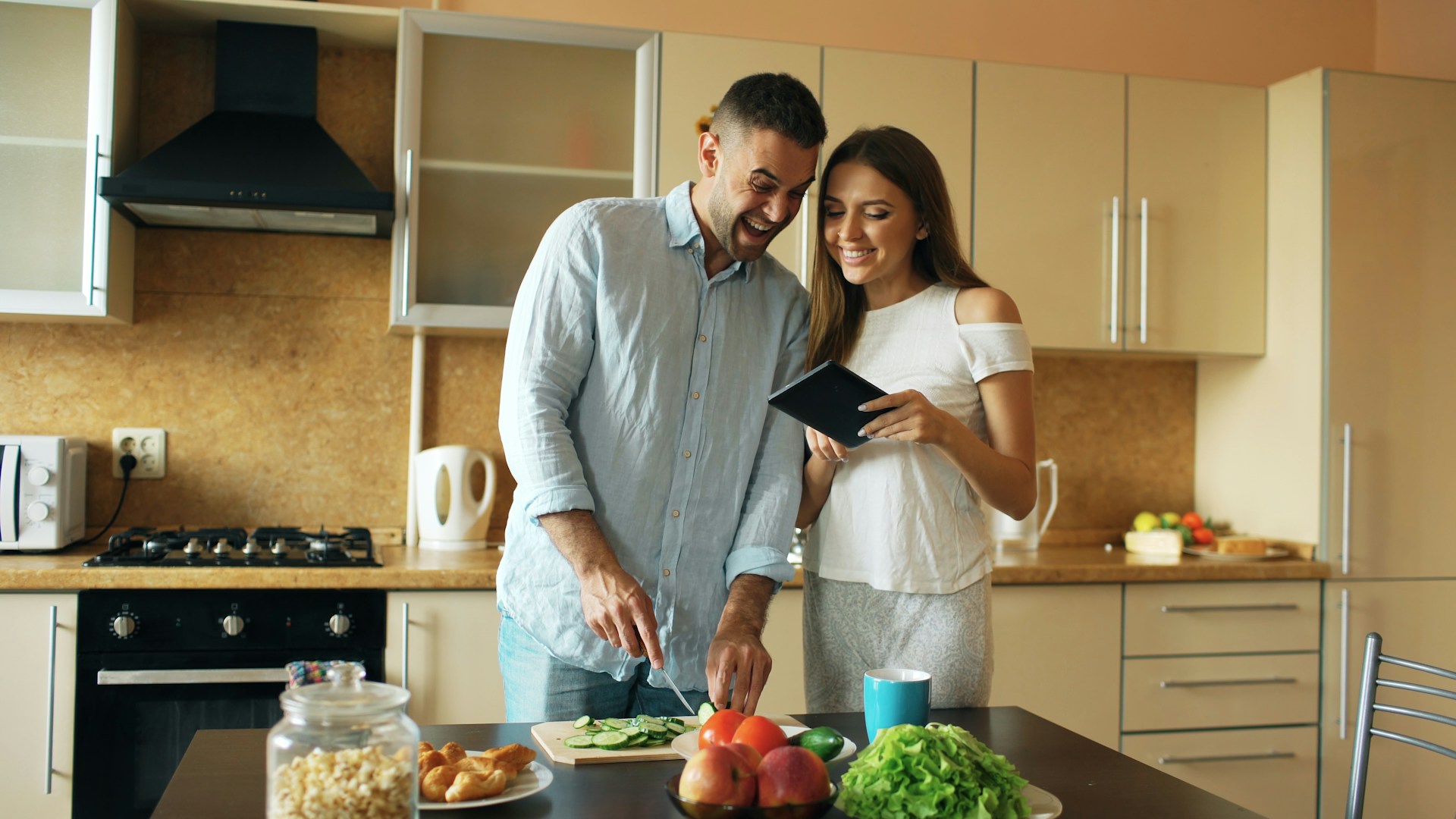
Home cooking is changing, and it’s not because people suddenly became more passionate about recipes. It’s changing because nutrition culture has shifted away from rigid rules and toward routines that feel workable. When people stop thinking in extremes, they start thinking in systems: what can I cook on a weekday, what helps me stay consistent, and what makes balanced eating easier when time and energy are limited?
That mindset has influenced everything from grocery shopping to portioning to the appliances people keep on the counter. Instead of chasing “perfect” meals, many home cooks are building flexible frameworks, repeatable breakfasts, reliable protein options, easy vegetables, and smarter ways to handle treats without turning them into a binge-or-avoid cycle. The goal isn’t to cook like a chef. It’s to cook in a way that supports real life.
As more people move away from restrictive eating plans, approaches like the Flexible Dieting Lifestyle are shaping how consumers think about nutrition, portion control, and the use of smart kitchen appliances to support balanced eating habits at home.
From strict rules to flexible structure
One of the biggest shifts in nutrition trends is that “healthy eating” is being reframed as something you can adapt rather than something you follow perfectly. Instead of labeling foods as good or bad, people are paying more attention to patterns: how often they eat certain foods, how meals affect energy, and whether a routine is sustainable for months instead of days.
In the kitchen, that often looks like structure without rigidity. You might keep staples that make balanced meals easy, frozen vegetables, eggs, Greek yogurt, canned fish, rice, beans, so you can assemble something decent even when you don’t feel like cooking. You might cook a few components (a protein, a grain, a sauce) and mix them throughout the week so meals don’t feel repetitive but still stay simple.
This trend is influencing meal planning too. Many people aren’t meal-prepping seven identical containers anymore. They’re prepping building blocks and leaving room for variety, which makes it more likely they’ll actually use the food they cook.
Portion control is becoming more practical and less obsessive
Portion control used to be associated with restriction, tiny meals, constant hunger, and measuring everything. Now it’s increasingly framed as a practical tool for balance. People want to enjoy foods they like without feeling out of control, and cooking at home makes that easier because you can decide how a meal is built.
Modern portioning trends are less about perfection and more about awareness. People pay attention to protein so meals feel filling. They add fiber-rich foods like vegetables and legumes because those help with satisfaction and digestion. And they use healthier fats strategically instead of accidentally pouring hundreds of calories into a meal without noticing.
If you want an evidence-based reference point for what “balanced” can look like without turning into a diet, the USDA’s MyPlate model is a helpful baseline for building meals around vegetables, fruits, grains, protein, and dairy (or alternatives).
Smart appliances are changing what “easy cooking” means
Another clear influence of modern nutrition culture is the rise of appliances that reduce friction. Air fryers, pressure cookers, high-powered blenders, and countertop tools that simplify prep are now part of many kitchens. This isn’t just about convenience for convenience’s sake. It’s about consistency. When cooking feels easier, you do it more often.
Appliances also support one of the biggest nutrition trends: keeping favorite foods in your routine in a more intentional way. People are experimenting with higher-protein versions of snacks, lower-sugar treats, and homemade options that help them control ingredients and portions without feeling deprived. This is especially common in households trying to balance wellness goals with enjoyment, because strict “clean eating” tends to collapse under real life.
Smart appliances also reduce the barrier to trying new habits. If you can make something quickly and predictably, you’re more likely to repeat it. That repetition is what turns a trend into a routine.
Cooking is being shaped by the “steady energy” mindset
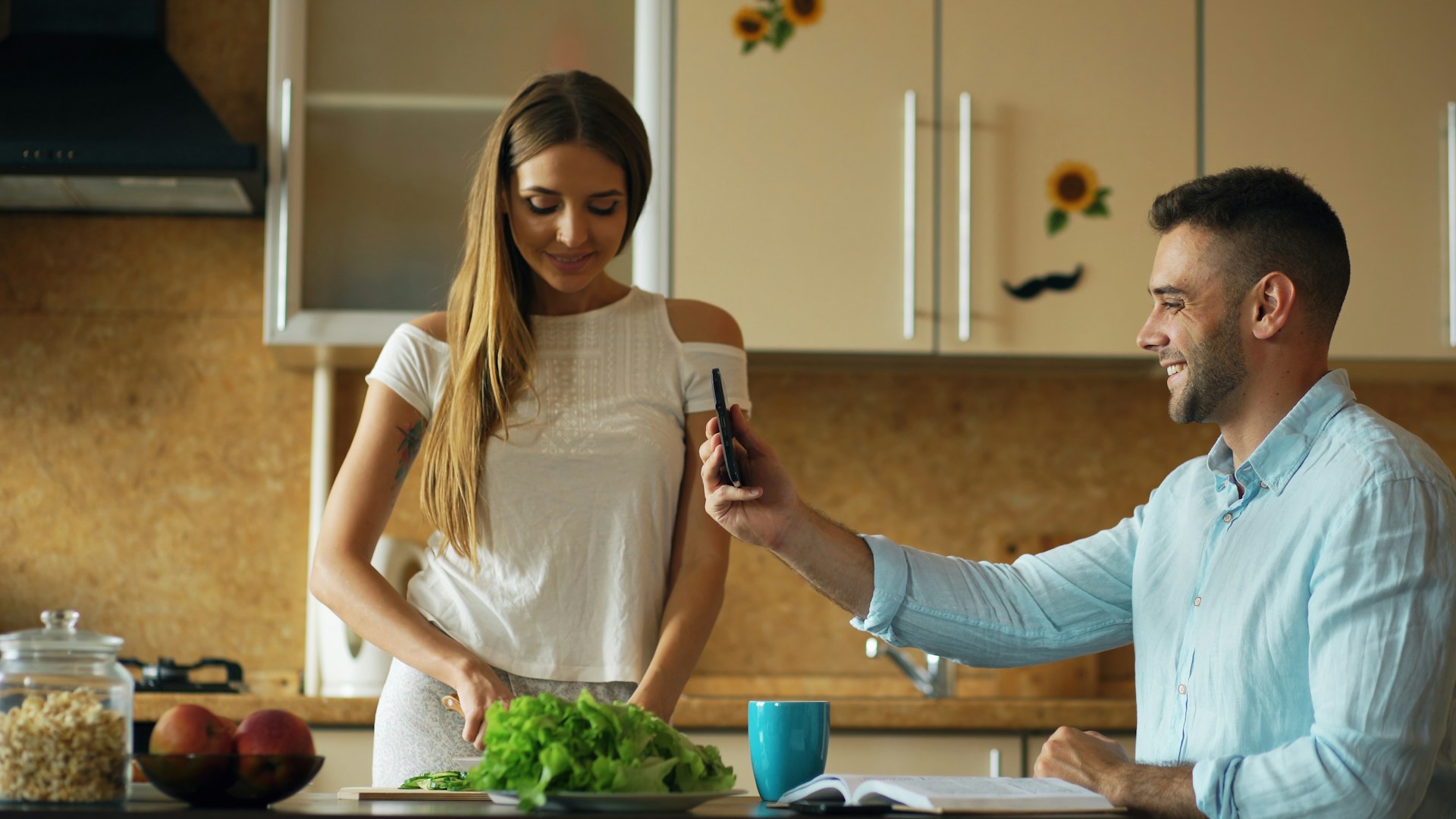
How Modern Nutrition Trends Are Influencing the Way People Cook at Home
Modern nutrition trends are less focused on dramatic weight-loss transformations and more focused on steady energy and mood. People are noticing how meals affect their afternoon slump, sleep quality, and focus. That awareness influences what they cook at home.
The most common pattern is an emphasis on protein-forward meals paired with fiber and slower-digesting carbs. Instead of a lunch that spikes and crashes, people aim for something that holds them for a few hours. Instead of skipping breakfast and then overeating later, many choose a simple morning option they can repeat.
This is also why snacking has changed. People are less likely to rely on random snacks and more likely to keep “bridge foods” on hand, things that prevent hunger emergencies. In home cooking terms, that might mean having prepared chicken, hard-boiled eggs, or chopped vegetables ready to go so you can build something quickly rather than defaulting to ultra-processed options.
The “good enough dinner” trend is real
Social media sometimes makes it seem like everyone cooks elaborate meals nightly. In reality, modern nutrition trends are making “good enough” dinners more common, and that’s a positive change. A sustainable cooking routine usually includes meals that take 10–20 minutes and don’t require mental effort.
You see this in the popularity of sheet-pan meals, stir-fries, bowls, and “protein + veg + carb” templates. The idea is not novelty. It’s reliability. When you have a few default meals you can make half-asleep, you’re less likely to fall into the cycle of skipping meals, snacking, and then ordering something out of frustration.
This approach also reduces waste. When meals are built around staples you actually use, you don’t buy ingredients that sit in the fridge until they’re thrown out.
Home cooking is becoming more flexible socially, too
Nutrition trends are also shaping how people cook for others. Instead of one “diet meal” for the person trying to eat healthier and another meal for everyone else, more households are leaning toward meals that can be customized at the table. Tacos, bowls, wraps, and build-your-own plates let different people adjust portions and add-ons without turning dinner into separate cooking projects.
That flexibility matters because it makes healthy eating less isolating. You can eat with your household, share the same base meal, and still meet your goals. It also makes hosting easier, people can make choices without calling attention to restrictions or preferences.
What this shift means for everyday home cooks
Modern nutrition trends are influencing home cooking by making it more realistic. The winning habits are the ones that reduce friction: flexible structure, simple portion awareness, reliable staples, and tools that make cooking easier to repeat.
If you’re building a routine around this trend, the most impactful move is usually not a new recipe. It’s choosing a handful of repeatable meals, keeping ingredients that support balance, and using appliances or shortcuts that help you cook more often without turning it into a major task.