How Streetwear Evolved in the Last Decade
From Niche Scene to Daily Wardrobe
Over the past decade, streetwear has shifted from a niche, hype-driven culture into a widely adopted everyday uniform. Around the mid-2010s, the scene revolved around visible branding, limited releases, and sneaker drops.
Today, the focus has moved toward comfort, repeat wear, and accessibility. Streetwear is still influential, but its role has changed.
It now functions less as a status symbol and more as a practical system for daily dressing built around relaxed silhouettes, modular layering, and functional footwear.
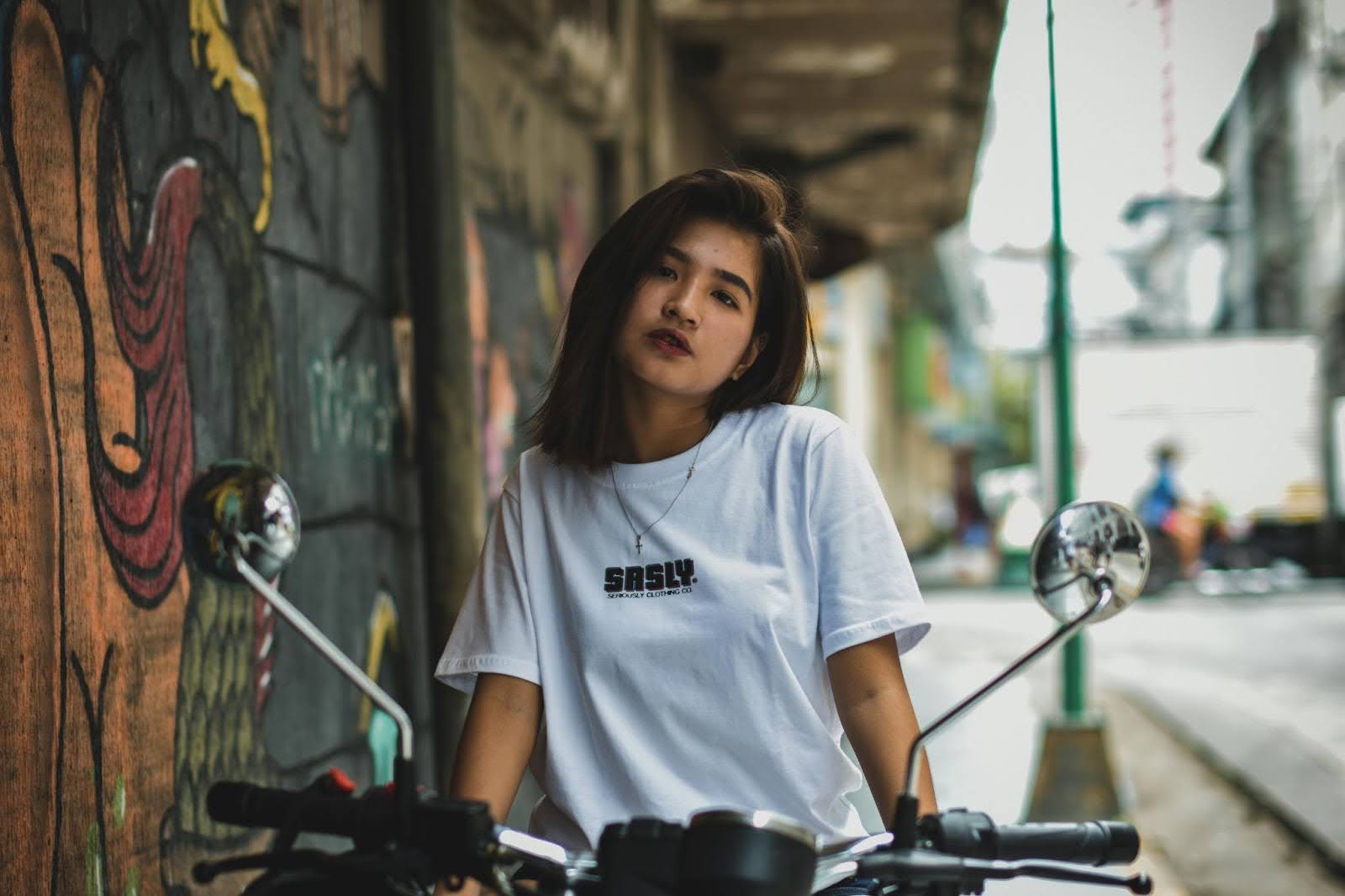
From Logo-Heavy Outfits to Wearable Basics
One of the most noticeable changes is the reduced emphasis on large logos. In the late 2010s, visible branding signaled awareness and access. Hoodies, graphic tees, and statement pieces are often centered on recognizable labels.
Now, many outfits rely on basics:
- Plain or lightly branded hoodies
- Heavyweight blank tees
- Straight or loose denim
- Simple jackets in neutral colors
Common retail brands and in-house labels provide most of these items. Fit and material have become more important than visible logos.
This shift reflects streetwear’s mainstream adoption. As more people began wearing it daily, versatility and comfort outweighed exclusivity.
How Streetwear Evolved in the Last Decade
The Rise of Relaxed Silhouettes
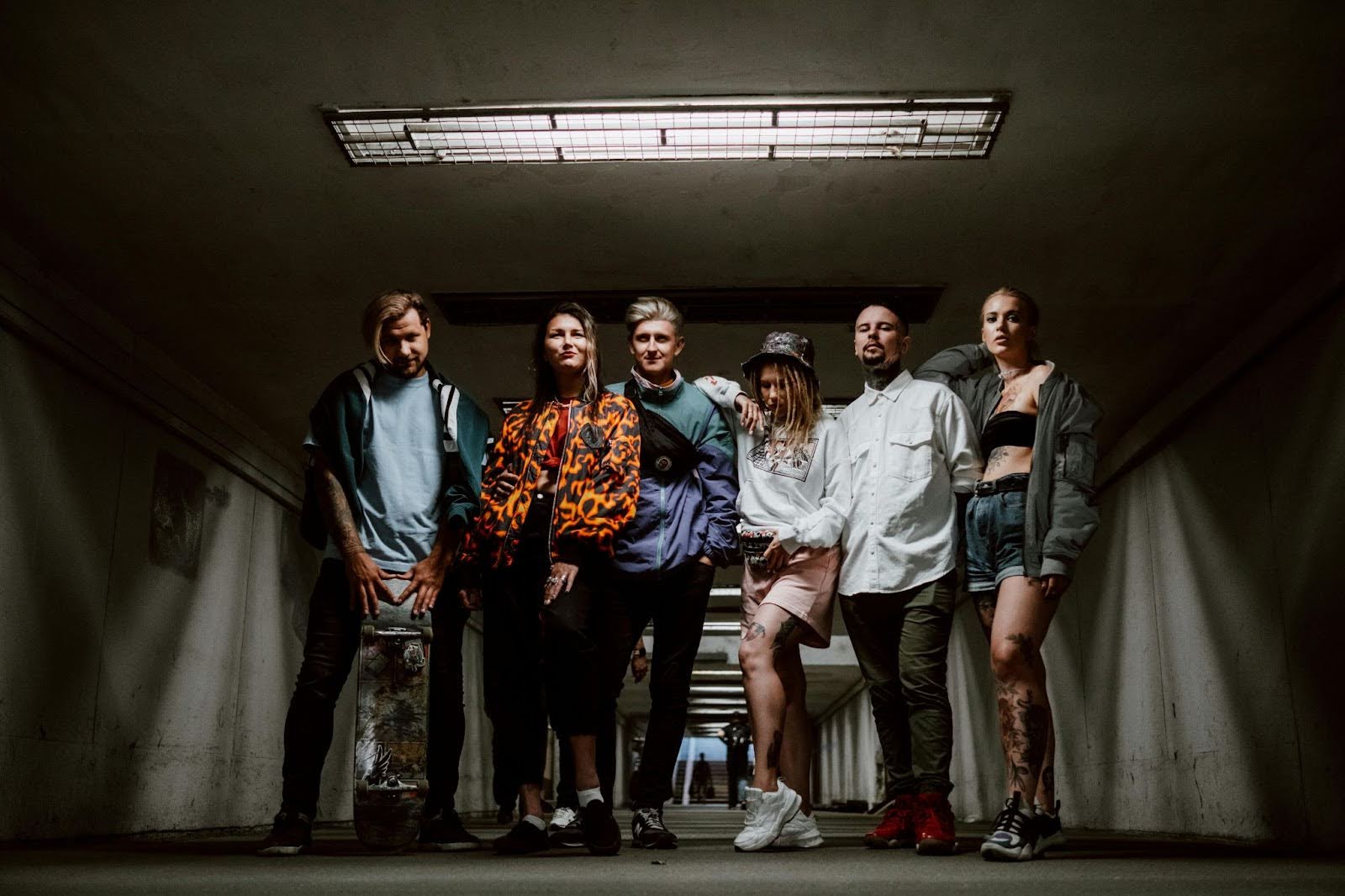
Silhouettes have changed significantly over the past 5–10 years. Slim jeans and tapered joggers once dominated casual outfits. Today, wider and more relaxed cuts are standard.
Key items include:
- Straight-leg or wide-leg jeans
- Cargo pants
- Boxy tees
- Roomy hoodies
These shapes offer comfort and flexibility while referencing earlier skate and hip-hop aesthetics from the 1990s and early 2000s.
Recently, there has also been a slight refinement. Extremely oversized pieces are giving way to structured loose fits: still relaxed, but more balanced.
Related Contents:
Modular Styling and Mixed Sourcing
Modern streetwear outfits are rarely built around a single brand. Instead, they combine pieces from different sources:
- Thrifted tops
- Mall-brand pants
- Sportswear sneakers
- Simple accessories
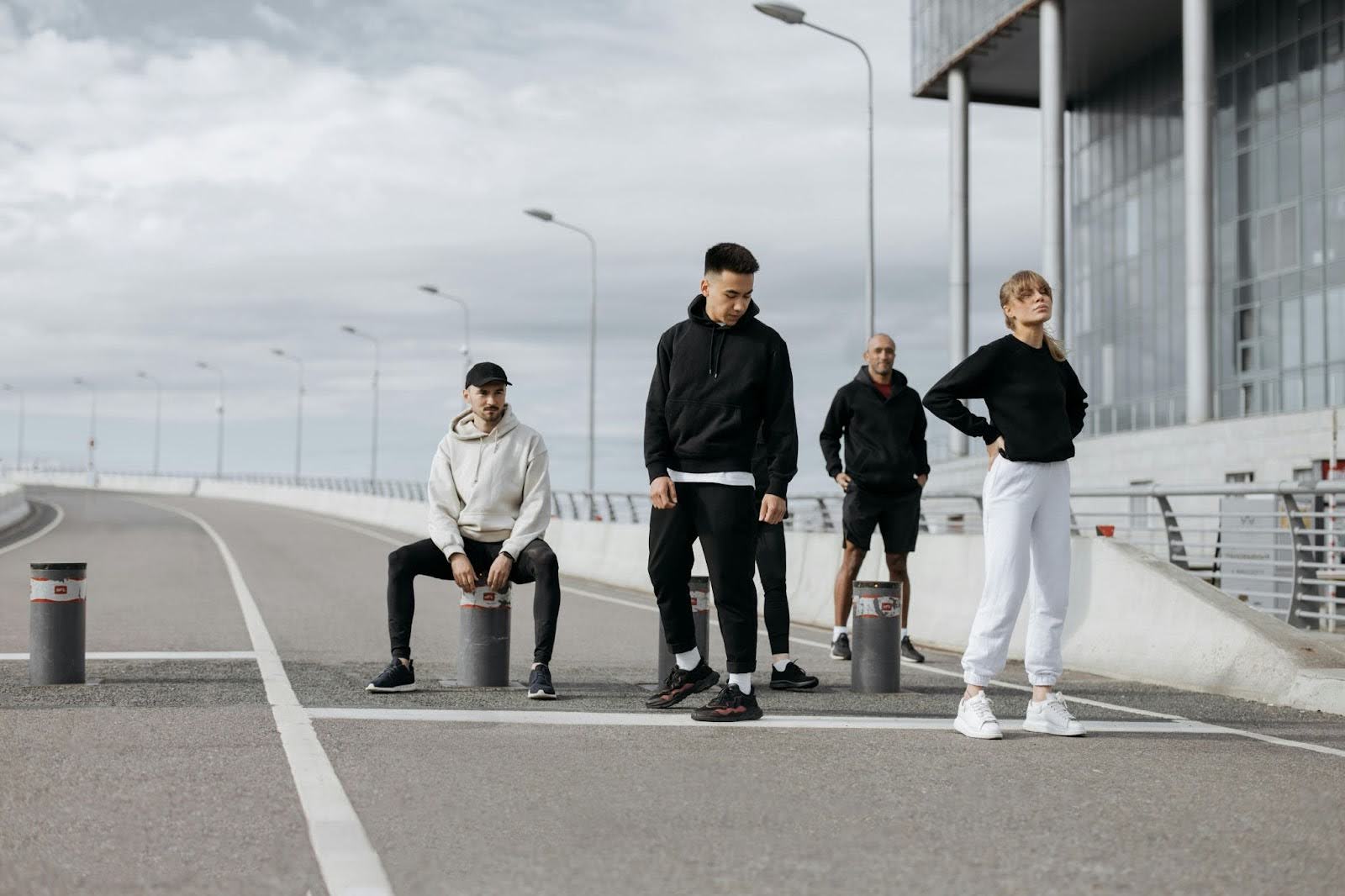
Layering has become more practical than dramatic. Overshirts, hoodies, and lightweight jackets allow for easy outfit changes throughout the day. Neutral color palettes, such as black, grey, beige, and olive, make it easier to rotate pieces.
This modular approach reflects how streetwear now functions: as a flexible wardrobe system rather than a coordinated set tied to specific labels.
How Streetwear Evolved in the Last Decade
Footwear Evolution: Sneakers and the Rise of Slip-Ons
Sneakers remain central to streetwear, but their role has shifted. A decade ago, limited releases and resale value drove interest.
Today, many people prioritize comfort and versatility. General-release sneakers and running shoes are worn more frequently than collectible pairs.
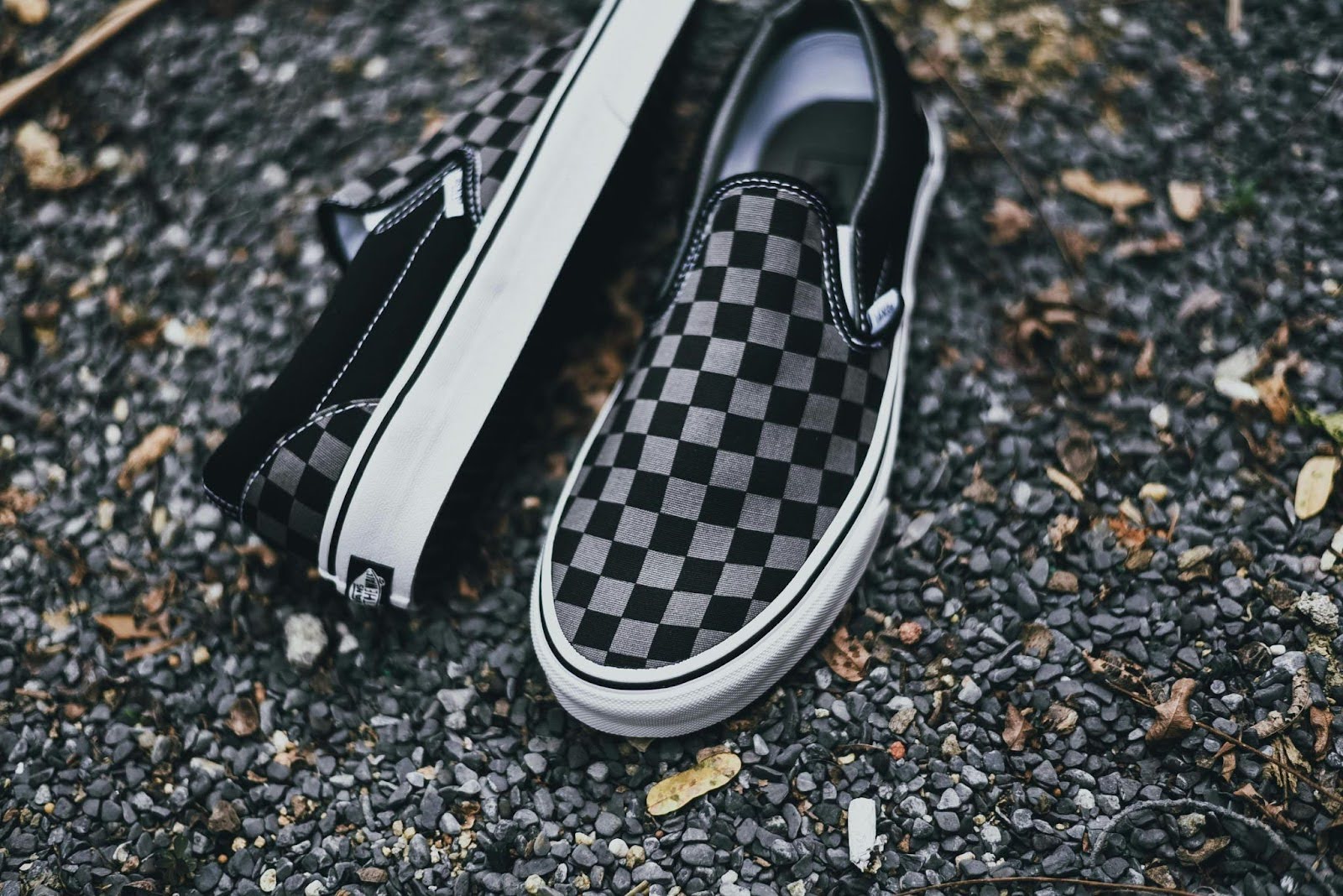
At the same time, slip-on rubber footwear has gained visibility. Foam clogs, slides, and rubber mules are increasingly common in casual outfits. They are practical, easy to wear, and suitable for quick errands or warm climates.
Styled with baggy jeans, shorts, or socks, they fit naturally into relaxed streetwear silhouettes.
This change suggests that footwear is now chosen based on routine and convenience as much as style. Sneakers still anchor most outfits, but slip-ons fill the role of everyday utility footwear.
Workwear, Sport, and Utility Influence
Streetwear has also moved closer to functional clothing. Workwear-inspired items such as canvas jackets, chore coats, and cargo pants are widely worn. Athletic pieces, like track jackets, jerseys, and running shoes, continue to blend into casual outfits.
Accessories reflect this functional direction:
- Crossbody bags
- Caps
- Beanies
- Canvas totes
These items support daily use while adding subtle styling. The emphasis on function echoes streetwear’s early roots in skateboarding and music scenes, where clothing needed to be durable and practical.
How Streetwear Evolved in the Last Decade
Muted Colors and Repeat Wear
Color choices have become more subdued. Earth tones, washed blacks, greys, and neutral shades dominate. Monochrome outfits are common because they are easy to assemble and repeat.
Loud graphics and bright color blocking still appear, but they are less central than before. The current approach favors longevity, or clothes that can be worn multiple times without feeling repetitive.
Streetwear as a Normalized Style
Perhaps the most important change is accessibility. Streetwear is no longer limited to specific subcultures or cities. It is widely available across price points and retail formats. Thrift stores, sportswear brands, and mall retailers all contribute to the look.
As streetwear became more accessible, it started to mirror everyday habits. People dress for flexible schedules that move between work, social time, and digital leisure, tulad ng mga laro ng Tongits online, making comfort-driven outfits the default.
As a result, streetwear now functions as a global casualwear standard. Students, creatives, and office workers alike incorporate its elements into daily outfits.
A Practical Evolution
Over the last decade, streetwear has transitioned from hype-driven fashion to a practical everyday uniform.
Logos and exclusivity matter less than comfort, fit, and versatility. Relaxed silhouettes, modular layering, and accessible basics define the current phase.
Sneakers remain a foundation, but slip-on rubber footwear reflects the culture’s move toward convenience and routine. Overall, streetwear has matured into a flexible wardrobe framework, one built for daily life rather than occasional statement dressing.
820
92