You own clothes. You wore them yesterday. But the thought of wearing them on a date fills you with a specific kind of dread, the kind that makes you wonder if you missed some memo about what adults are supposed to wear now. You haven’t dated in years. Maybe decades. The rules seem different, though no one actually wrote them down anywhere.
Here is the good news. Dressing for a date is less about following trends and more about avoiding obvious mistakes. The bar is lower than you think. Show up clean, comfortable, and dressed like someone who respects both himself and the person sitting across from him. That’s most of the work done right there.

How to Dress for Dates if You’ve Been Out of the Game a Long Time and Don’t Want to Look Ridiculous
Keep the Flash in Check
Returning to dating after a long break brings a natural urge to make an impression, but overdoing it sends the wrong message entirely. If you’re overly flashy, you might come off looking like a sugar daddy rather than someone genuinely interested in connection. The aim is to look put together without broadcasting wealth or desperation through your wardrobe choices.
Stick with classic pieces like well-fitted dark jeans and a clean button-down shirt. Red and black both work well according to research on attraction, with red carrying romantic associations and black adding a sense of style. Avoid anything too trendy or logo-heavy, which can read as materialistic or out of touch with how normal adults dress.
Fit Matters More Than Brand
A $30 shirt that fits your shoulders correctly will look better than a $200 designer piece that hangs off you like a parachute. This remains true across every clothing category. Pants that bunch at the ankles, sleeves that extend past your wrists, shirts that billow around your midsection: these details register subconsciously with your date even if they couldn’t articulate why something looks off.
Get your measurements taken at any department store. It costs nothing. Know your actual waist size, not the size you wore 10 years ago. Clothes stretched to capacity do not project confidence.
The Comfort Factor
Your outfit needs to work for you physically. Fidgeting with straps, tugging at stiff collars, or wincing from shoes that pinch will pull your attention away from conversation. Studies confirm that discomfort during dates affects how present and engaged you appear.
Never wear something brand new without testing it first. Put on the whole outfit at home. Sit in it. Walk around. Raise your arms. If the pants dig into your stomach when you sit down, that sensation will follow you through dinner.
Lightweight materials like linen and cotton help with temperature regulation. Pit stains are not a great conversation starter. Breathable fabrics give you one less thing to worry about.
The Outdated Question
Clothes age, and not always gracefully. Those pleated khakis from 2004 might still fit perfectly, but they communicate something you probably don’t intend. Same goes for shirts with oversized collars, square-toed dress shoes, and anything that could reasonably appear in a photo from your first marriage.
The solution isn’t buying whatever teenagers are wearing. The solution is sticking to pieces that have remained consistent over time. Slim-fit dark jeans work. A solid-color button-down works. Clean leather shoes with a rounded or slightly pointed toe work. You are aiming for timeless, not trendy.
Building a Simple Formula
Pick one of these combinations and you will be appropriately dressed for 90% of casual dinner dates:
Dark jeans, white or light blue button-down, brown leather shoes.
Chinos in navy or gray, a fitted crew-neck sweater, white sneakers in good condition.
Black jeans, a black or dark gray henley, clean boots.
None of these require fashion expertise. All of them say you put thought into your appearance without making your appearance the focal point.
What to Avoid Entirely
Graphic t-shirts with slogans or logos. Jerseys. Cargo shorts. Anything with visible brand names across the chest. Sandals with socks. Sandals without socks, depending on the venue. Running shoes unless you are actually running somewhere.
If you question an item, leave it in the closet. When returning to dating, conservative choices protect you from looking like you misread the assignment.
Grooming as the Baseline
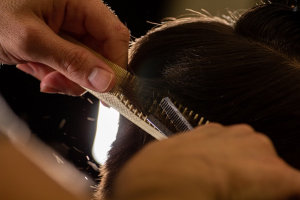
Your clothes do the heavy lifting, but grooming supports them. Trim your nails. Handle any visible nose or ear hair. A fresh haircut within the past 2 weeks makes a difference. Clean shoes matter; scuffed and dirty footwear undoes the work your shirt and pants accomplish.
These basics often get skipped when someone focuses entirely on which jacket to wear. Details matter in aggregate.
Final Thoughts on Confidence
Your date will remember how you made them feel more than what you wore. The purpose of dressing well is to remove obstacles. You don’t want your outfit to become a topic of conversation because something went wrong.
Wear clothes that fit. Stick to classic pieces. Test everything before the actual night. Show up looking like someone who still cares about how he presents himself but doesn’t obsess over it.
That’s the whole formula. It worked 20 years ago, and it works now.