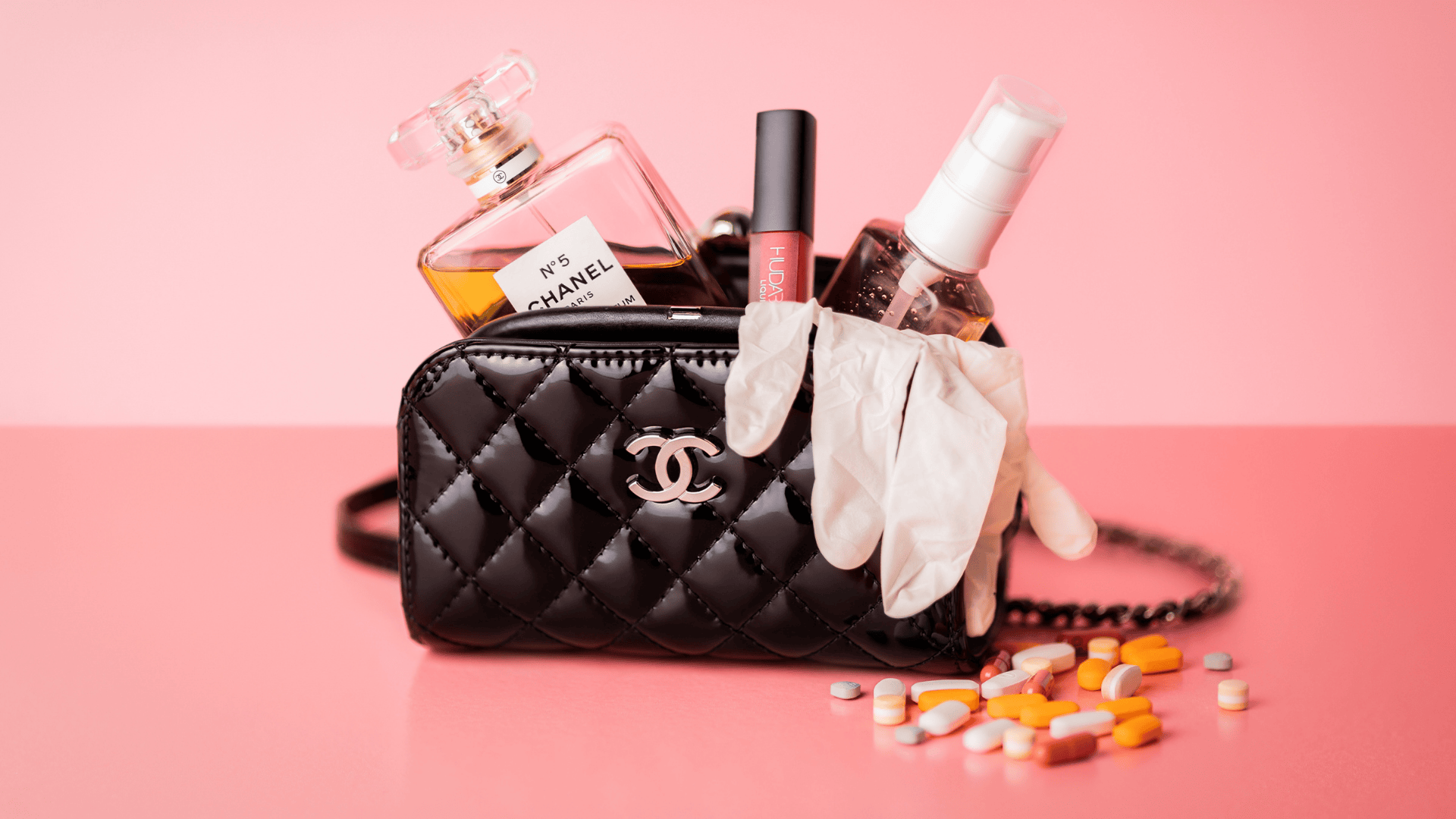
The smell of aged lambskin and the heavy clink of a gold plated chain carry a certain weight in the world of high fashion. For decades, the Chanel flap bag has been a symbol of static elegance, an item meant to be preserved in its original form, tucked away in silk dust bags, and treated with a level of reverence usually reserved for museum artifacts. However, a quiet shift is occurring in the closets of serious collectors and the studios of independent artisans. The focus has moved from merely owning a piece of history to rewriting it.
The secondary market for high end accessories has matured. It is no longer just a place to find a bargain or a discontinued color. Instead, it has become a primary source for creative minds who see a vintage silhouette not as a finished product, but as a sturdy foundation for something entirely new. This movement towards customization is breathing life into older pieces, proving that luxury does not have to be uniform to be valuable.
Beyond the Boutique Why Designers Are Reimagining Used Chanel Bags for Sale as One of a Kind Statements
The Search for a Creative Foundation
For many collectors, the hunt for used Chanel bags for sale marks the beginning of a creative journey rather than the end of a transaction. The appeal lies in the quality of the materials. Chanel pieces from previous decades often feature 24k gold plated hardware and exceptionally thick, durable leathers that have developed a soft patina over time. These structural elements provide a reliable surface for artists who specialize in leather painting, embroidery, and hardware modification.
When an individual seeks out these items, they are often looking for bags that show slight signs of wear. A scuff on a corner or a faded spot on the interior lining can lower the price for a traditional buyer, but for a designer, these imperfections are an invitation. They offer a sense of freedom. It is much easier to justify painting a vibrant mural across the back of a bag that already has a history than it is to take a brush to a brand new item fresh from a glass display case.
This segment of the market thrives on the idea that luxury can be accessible and adaptable. Small business owners who curate these collections spend hours verifying the stitch counts, the weight of the chains, and the clarity of the date codes. They ensure that the base of the project is authentic, which is a vital step before any transformation begins. The goal is to marry the legendary craftsmanship of the original house with the unique vision of a contemporary artist.
The Art of the Transformation
The actual process of turning a classic accessory into a statement piece is delicate and time consuming. It usually starts with a deep cleaning and restoration of the leather. Designers use specific ph balanced cleansers to remove decades of oils and dust without stripping the natural oils of the skin. Once the surface is prepared, the creative work begins.
Hand painting is perhaps the most popular way these bags are reimagined. Artists use specialized acrylic polymers that are designed to flex with the leather, ensuring that the design does not crack or peel as the bag is opened and closed. Some choose to lean into the brand’s heritage, painting camellias or lions, while others go for a complete contrast, applying street art styles, pop art portraits, or abstract splashes of color. This juxtaposition of a formal, structured bag with a wild, colorful design creates a visual tension that is highly sought after in current circles.
Beyond painting, some artisans focus on structural additions. This might involve replacing a standard leather interlaced chain with a heavy duty acrylic link or adding vintage charms and silk ribbons to the hardware. Others might use intricate embroidery to cover larger blemishes, turning a small tear into a floral focal point. These modifications do more than just hide age. They transform the bag into a one of a kind item that cannot be found in any department store.
Why Personalization is Overcoming Tradition
The shift toward custom luxury is driven by a desire for individuality. In an era where social media can make even the most expensive items feel common, many fashion enthusiasts are tired of seeing the same black quilted bag on every street corner. They want something that reflects their own personality and story. A customized piece serves as a conversation starter and a clear signal of personal taste.
There is also a significant environmental component to this trend. The fashion industry is increasingly under scrutiny for its waste, and the circular economy offers a more responsible way to enjoy high end goods. By purchasing used Chanel bags for sale and giving them a second life through design, consumers are participating in a form of recycling that celebrates longevity. It honors the work that went into the original creation while preventing it from being discarded or forgotten.
This approach also changes the relationship between the owner and the object. When someone commissions an artist to paint a bag, they become part of the design process. They choose the colors, the themes, and the finish. This emotional investment makes the item more precious than something bought off a shelf. It becomes a personal heirloom, a piece of wearable art that carries the soul of the original maker and the spirit of the new owner.
The Business of Curated Authenticity
For the businesses that facilitate these transformations, trust is the most important currency. The rise of high quality replicas has made the secondary market a place where caution is necessary. Successful boutiques succeed by providing a bridge between the seller and the artist, ensuring that every piece of used Chanel bags for sale is a genuine article.
These businesses often employ experts who can tell the difference between a mid 1990s lambskin and a late 2000s caviar leather just by touch. They look for the specific font of the interior heat stamps and the way the interlocking logos are secured. This level of scrutiny protects the investment of the buyer and the reputation of the artist. After all, no one wants to spend dozens of hours meticulously painting a bag only to find out the canvas itself is not authentic.
By maintaining a high standard of quality control, these shops allow the creative community to flourish. They provide a steady supply of “canvases” for designers and a safe marketplace for collectors. This ecosystem supports small businesses, independent artists, and savvy shoppers alike, creating a community centered around a shared appreciation for leatherwork and style.
Caring for a Reimagined Classic
Owning a customized luxury item requires a different mindset when it comes to maintenance. While the original Chanel materials are known for their durability, the additions, such as paint or embroidery, need specific care. Owners are often advised to avoid harsh weather and to store their pieces in climate controlled environments.
Cleaning a painted bag is not the same as cleaning a standard one. It requires a gentle touch and an avoidance of alcohol based cleaners which could dissolve the art. This level of care is part of the appeal for many. It turns the act of owning a bag into a form of stewardship. People who buy these pieces are not just looking for a functional container for their keys and phone. They are looking for a piece of art that they can carry with them, and they treat it with the appropriate level of respect.
The longevity of these pieces is a testament to the original construction. It is a rare thing for a product to remain relevant and functional forty or fifty years after it was made. By adding a layer of contemporary creativity, designers are ensuring that these bags will continue to be worn and admired for another half century.
A Final Reflection on Individual Style
The trend of transforming vintage luxury is a clear indication that the definition of status is changing. It is no longer enough to simply have the means to buy an expensive item. In the current fashion climate, true status comes from having the vision to make that item unique.
Turning a classic accessory into a one of a kind statement is an act of creative rebellion. It ignores the idea that fashion should be a rigid set of rules and instead embraces the idea that style is a fluid, personal expression. Whether it is a hand painted scene on a vintage flap or a customized chain on a structured tote, these pieces tell a story that a factory produced item simply cannot. As more people look for ways to stand out, the intersection of history and artistry will continue to be a vibrant space for those who value character over conformity.