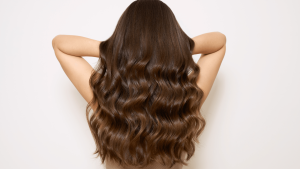
In an industry where aesthetics define success, visual content quality can make or break a fashion brand. From haute couture campaigns to emerging designer lookbooks, compelling imagery remains the universal language of fashion. Artificial intelligence is now transforming how the industry creates, enhances, and delivers these essential visuals.
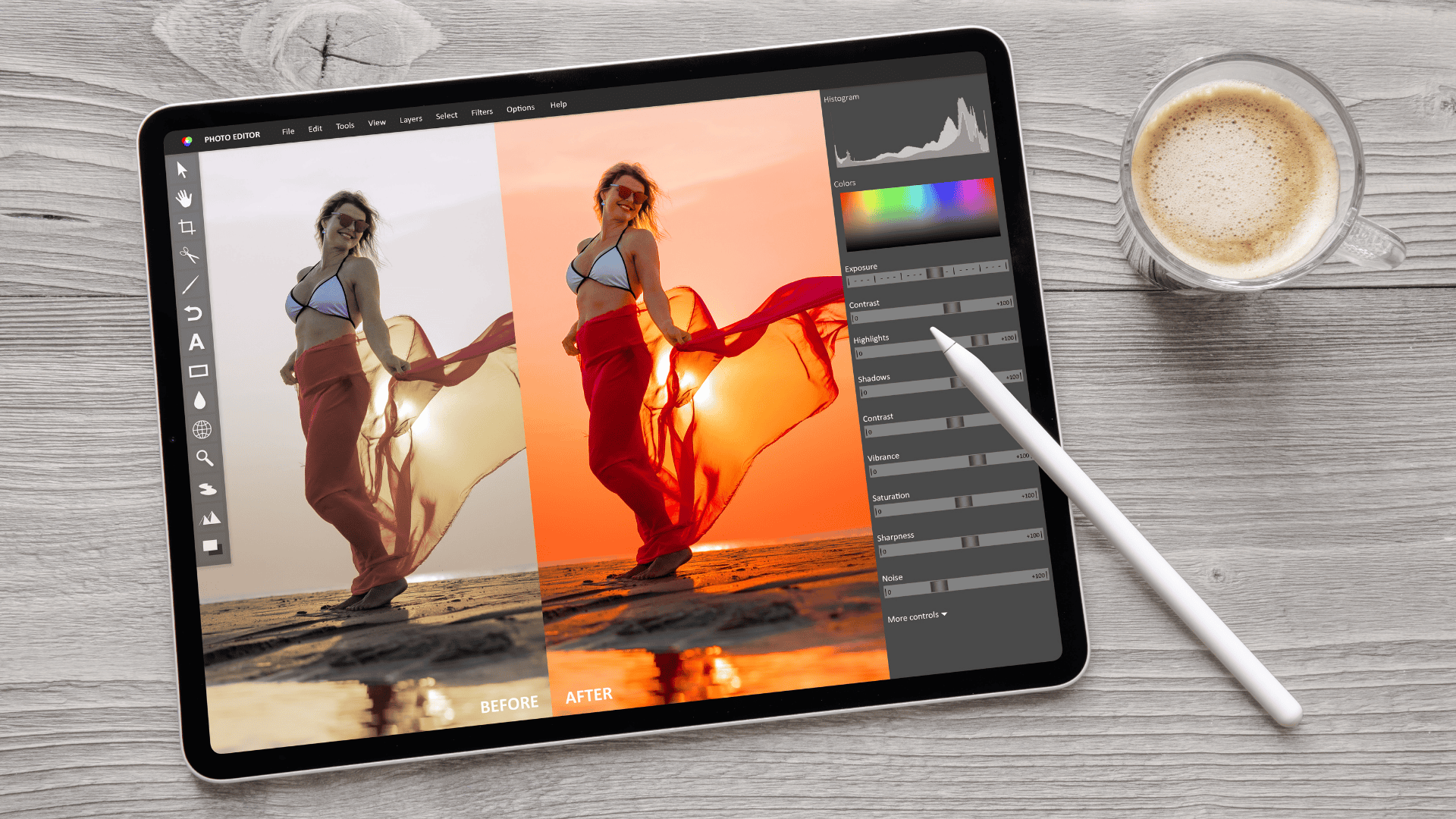
How AI Image Editing Is Revolutionizing Fashion Industry Visual Content
The Visual Demands of Modern Fashion
Fashion operates at the intersection of art and commerce, where every image must communicate brand identity, craftsmanship, and aspiration. Editorial shoots, e-commerce photography, social media content, and marketing campaigns all demand exceptional visual quality.
The volume of content required has exploded alongside digital channels. Brands now maintain presence across multiple platforms, each requiring optimized imagery. Instagram demands perfectly curated feeds. E-commerce sites need consistent product photography. Digital campaigns require rapid iteration and adaptation.
Traditional production workflows struggle to meet these demands efficiently. Professional retouching requires skilled editors and significant time investment. The gap between creative vision and practical execution creates bottlenecks that slow content delivery.
AI Transforms Fashion Image Production
Artificial intelligence is addressing these challenges directly. Modern AI image editing platforms understand visual aesthetics and apply sophisticated enhancements automatically, delivering results that previously required professional post-production expertise.
[Nano Banana](https://imgeditor.co/) represents this new generation of AI-powered editing tools that fashion professionals are adopting. The platform enables rapid image enhancement, background manipulation, and quality optimization without requiring advanced technical skills.
For fashion brands, the applications prove extensive. Lookbook photography benefits from consistent enhancement across entire collections. Product images achieve uniform backgrounds and lighting. Campaign assets receive polished finishing that maintains brand aesthetic standards.
In addition, AI-generated clothing models can help teams visualize garments across different styling concepts or campaign directions before committing to full-scale production, making early creative decisions faster and more cost-effective.
The technology handles tasks that consume significant production time. Background removal for e-commerce listings, color correction across varied shooting conditions, and quality enhancement for social media optimization all benefit from AI automation.
Democratizing Fashion Visual Production
Perhaps the most significant impact is accessibility. Emerging designers and independent labels often lack budgets for extensive post-production services. AI tools enable these creators to achieve visual standards that compete with established houses.
Fashion influencers and content creators similarly benefit. Maintaining cohesive visual aesthetics across feeds becomes manageable when AI handles technical optimization. The focus shifts from technical execution to creative expression.
Small fashion businesses produce professional-quality marketing materials without dedicated design resources. Product launches, seasonal campaigns, and social content all achieve polish that builds brand credibility.
Maintaining Authenticity in AI-Enhanced Fashion
The fashion industry rightly values authenticity and artistic vision. AI tools succeed when they enhance rather than replace creative direction. The technology optimizes technical elements while preserving the distinctive aesthetic choices that define brand identity.
Professional photographers and creative directors find AI assistants rather than replacements. Routine technical corrections happen automatically, freeing creative professionals to focus on concept development and artistic direction.
The Future of Fashion Imagery
As AI capabilities continue advancing, fashion visual production will become increasingly efficient. Real-time enhancement, automated format optimization, and intelligent aesthetic suggestions represent emerging possibilities.
Fashion brands that embrace these tools position themselves for competitive advantage. Faster content production, consistent quality standards, and reduced production costs combine to strengthen market position.
The intersection of artificial intelligence and fashion imagery represents more than technological convenience. It signals a fundamental shift in how the industry approaches visual storytelling, making exceptional imagery accessible to creators at every level.
For fashion professionals seeking to elevate their visual content, AI image editing has become an essential capability rather than an optional enhancement.