
I spent most of my twenties ignoring my body.
Not in a neglectful way exactly. I fed it and moved it and dressed it appropriately for various occasions. But I did not truly attend to it. I did not consider what it needed beyond the basics. I treated it as a vehicle rather than a home.
Somewhere in my thirties that changed. The shift was gradual at first. Small moments of awareness that accumulated into something larger. A recognition that my body was communicating with me constantly and I had been too distracted to listen.
This realization began a journey into self-care that I am still navigating today. What I have learned along the way has less to do with products and treatments than with understanding. Understanding how bodies change. Understanding what genuine care looks like. Understanding the difference between self-improvement driven by anxiety and self-care rooted in respect.
Learning to Care for the Body That Carries You
The Reality of Bodies That Change
Nobody prepares you for how much your body will change throughout life.
We expect the obvious transitions. Puberty. Pregnancy for those who experience it. The gradual shifts of ageing. But the texture of those changes remains abstract until you live through them.
I remember noticing changes in my skin that seemed to appear overnight. Areas of my body that had always looked a certain way suddenly looked different. The firmness I had taken for granted began to soften. Texture emerged where smoothness had been.
My first reaction was alarm. Something must be wrong. I was doing something incorrectly or failing to do something I should be doing. The beauty industry had trained me to interpret any change as a problem requiring a solution.
It took time to develop a more balanced perspective. Bodies change because bodies are alive. Skin responds to hormones and age and gravity and sun exposure and genetics. These changes are not failures. They are evidence of living.
This does not mean we cannot address changes that bother us. It means we can approach those choices from a place of information rather than panic. Understanding what is actually happening in our bodies helps us make decisions that serve us rather than just our insecurities.
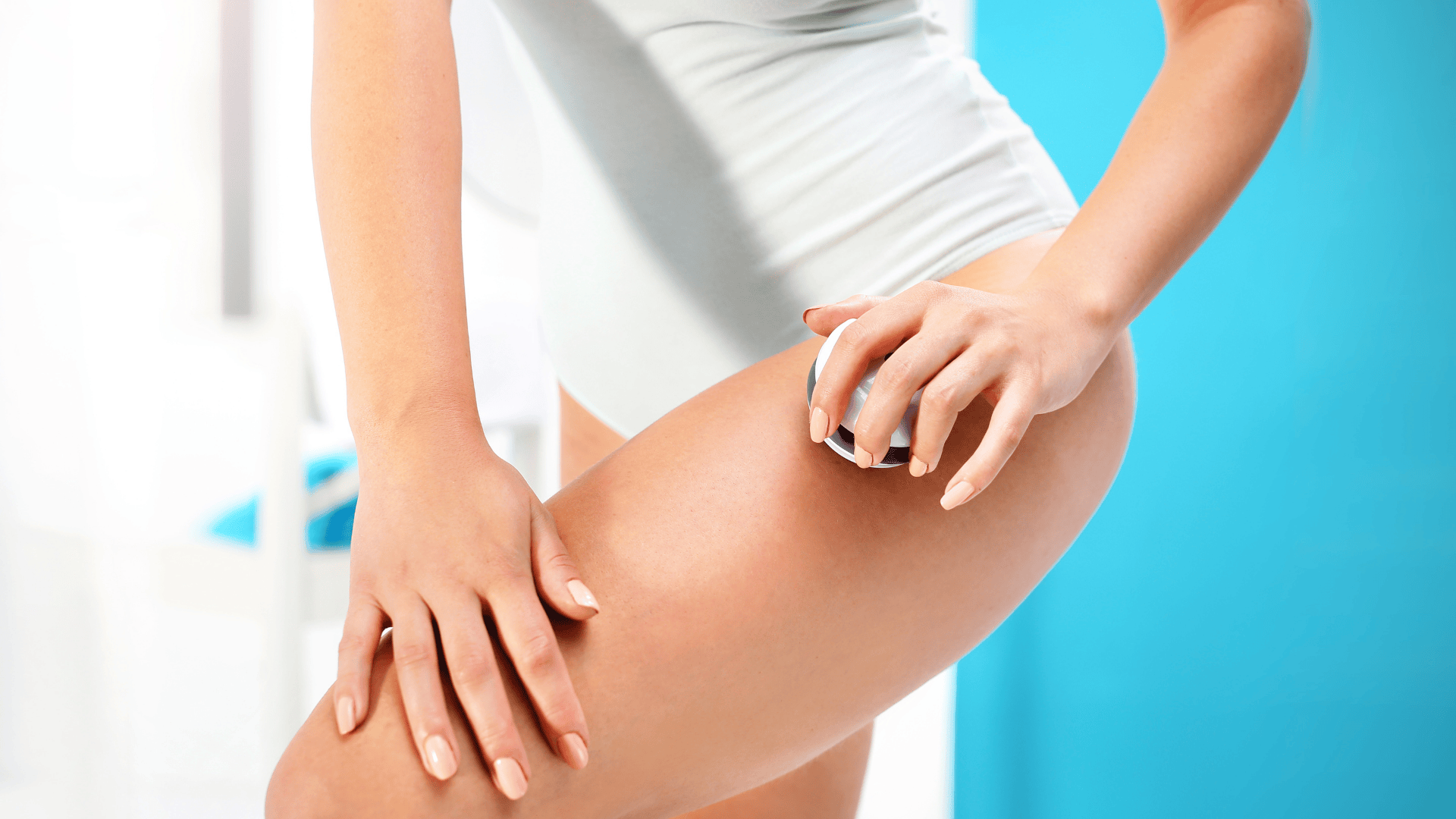
Cellulite provides a perfect example of this distinction. For years I thought cellulite indicated something wrong with my diet or exercise habits. I felt ashamed of the dimpled texture on my thighs as though I had caused it through some personal failing.
Then I learned about science. Cellulite affects the vast majority of women regardless of weight or fitness level. It results from the way fat cells interact with connective tissue beneath the skin. Hormones play a significant role. Genetics matter enormously. The presence of cellulite says almost nothing about health or lifestyle.
This knowledge changed my relationship with my own body. I stopped feeling ashamed of something nearly universal. I could then consider whether I wanted to address it from a calm place rather than a desperate one. Those exploring options like cellulite treatment approaches do so with better outcomes when they understand what cellulite actually is and have realistic expectations about what various interventions can achieve.
The same principle applies to virtually every body concern. Understanding precedes good decisions.
The Emotional Landscape of Self-Care
We rarely discuss the emotional complexity of caring for our appearance.
There is a tension at the heart of modern beauty culture. On one hand we hear messages about self-acceptance and body positivity. On the other hand we are surrounded by images and products suggesting we should always be working toward improvement. Navigating between these poles requires more emotional intelligence than most people acknowledge.
I have felt genuine confusion about whether my interest in skincare and body care represents healthy self-investment or internalised criticism. Am I caring for myself or trying to fix something I have been taught to see as broken?
The answer I have arrived at is that intention matters more than action. The same behaviour can come from very different places. A woman who exercises because she loves how movement feels in her body is having a different experience than a woman who exercises because she hates how her body looks. The external action appears identical. The internal experience could not be more different.
I try to check my motivations regularly. When I consider trying something new in my beauty routine I ask myself why. Is this coming from curiosity and care? Or is it coming from the voice that says I am not enough as I am?
Sometimes the honest answer is mixed. We contain multitudes. We can simultaneously accept ourselves and want to change. The goal is not purity of motivation but awareness of what drives us.
Building Rituals That Actually Serve You
The beauty industry sells products. But what we actually need are practices.
Products come and go. Trends cycle endlessly. The retinol that was essential last year becomes secondary to the peptide that is essential this year. Trying to keep up with product recommendations is exhausting and expensive and ultimately beside the point.
What matters is developing consistent practices that make you feel cared for. The specific products within those practices matter far less than the practices themselves.
I have a morning routine that takes about fifteen minutes. It includes cleansing and moisturising and a few targeted treatments that address my specific concerns. More importantly it includes a few minutes of actually looking at my face. Noticing what is happening. Checking in with how I feel.
This attentiveness is the real value of the routine. The products facilitate it but they are not the point.
Hair care taught me this lesson most clearly. For years I chased whatever products promised the most dramatic results. Volumising this. Smoothing that. My bathroom shelves filled with half-used bottles that had failed to deliver miracles.
Eventually I simplified dramatically. I found a brand philosophy that aligned with my values and stuck with it. Brands like Aveda that emphasise botanical ingredients and environmental responsibility appealed to me not just for what they put in their products but for how they thought about beauty overall.
The products worked well enough. More importantly the consistency worked. My hair knew what to expect. My routine became automatic. I stopped thinking about hair care as a problem to solve and started experiencing it as a simple pleasure.
Making Peace With Imperfection
I am not suggesting we should never want to change anything about ourselves.
That would be dishonest and probably impossible. We live in bodies that we present to the world. Of course we care about how they look. Of course we want to address things that bother us. Pretending otherwise helps no one.
What I am suggesting is that we can engage with beauty and body care from a foundation of self-respect rather than self-rejection. We can acknowledge that we would like to change something while also acknowledging that we are acceptable as we are right now.
This is not about lowering standards. It is about recognising that our worth is not determined by how closely we approximate some ideal. We can pursue improvement without making our self-acceptance conditional on achieving it.
The women I admire most have made peace with imperfection while still investing in themselves. They take care of their skin, hair and bodies. They sometimes try treatments that address specific concerns. They also laugh at themselves. They wear their bodies with ease rather than apology.
This ease does not come from having perfect bodies. It comes from having made a decision about how to relate to the bodies they have.
What I Know Now
Self-care is a practice rather than a destination.
There is no point at which you will have finally figured out your skin or your hair or your body. These will keep changing throughout your life. Your needs will evolve. Your preferences will shift. The practice is ongoing.
This might sound exhausting but I actually find it liberating. There is no final exam. No moment when you must have it all sorted. Just a continuous process of paying attention and responding to what you observe.
The body that carries you through this life deserves your respect. It deserves products and practices that support its functioning. It deserves your attention and care.
It also deserves your patience. Your forgiveness for not looking like images in magazines. Your appreciation for everything it allows you to experience.
This balance between care and acceptance is the real work of beauty. Everything else is just details.