
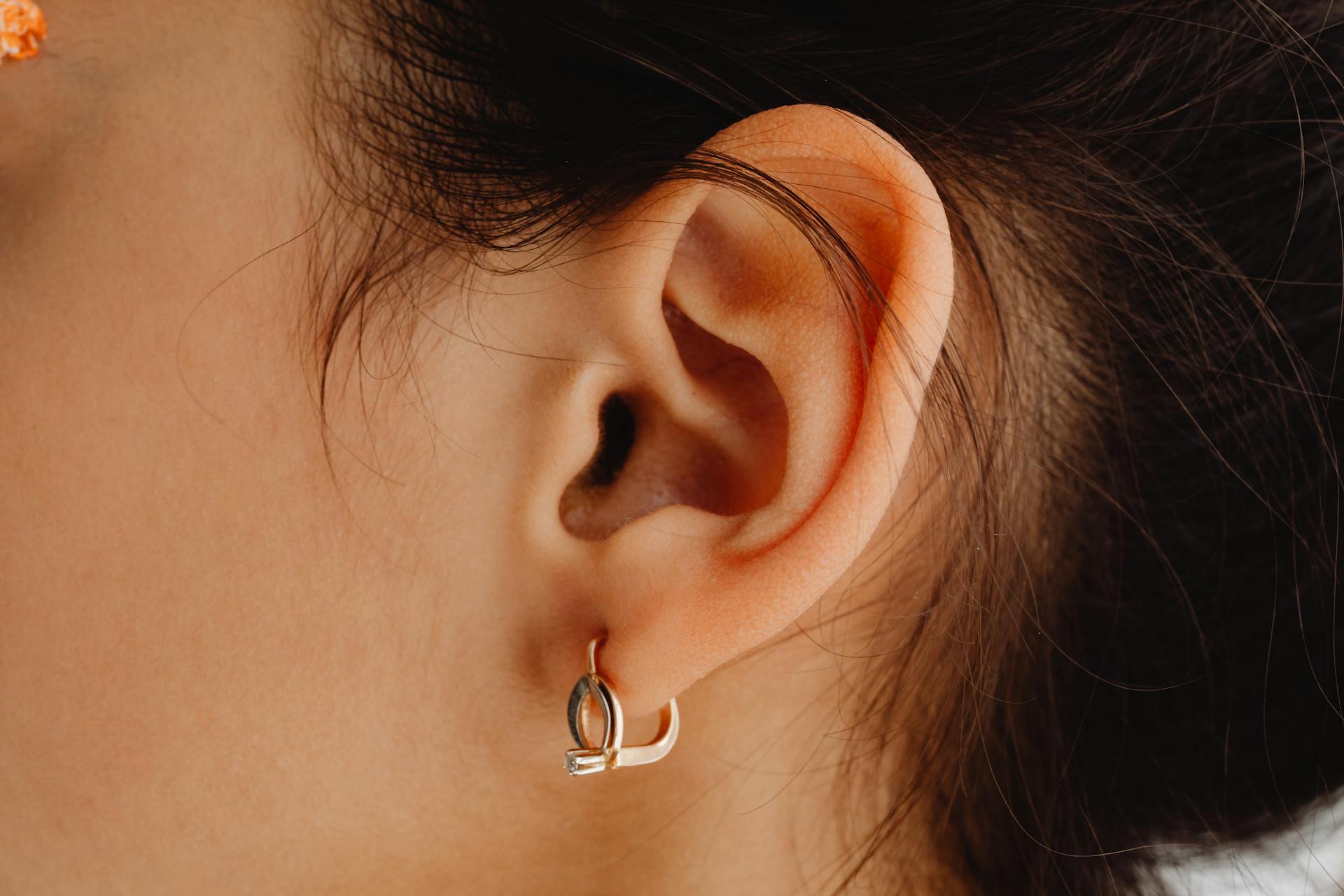
What Happens During an Ear Piercing Appointment
Studios and clinics perform ear piercings every day, ranging from single lobe piercings to more complex cartilage placements. Appointments usually start with identity checks, consent forms, and brief health questions. These steps help staff identify allergies, sensitivities, or healing concerns. Tools and jewelry are sterilized, and jewelry options are reviewed so metal type, flat-back backing style, and post length match ear thickness and expected swelling. Staff explain placement, procedure steps, and aftercare expectations before piercing begins.
A structured appointment process reduces infection risk and limits irritation during healing. Implant-grade titanium or surgical steel minimizes allergic response, while correct post length accommodates swelling without pressure. Cleaning routines, sleep adjustments, and follow-up timing are reviewed so care remains consistent after the appointment. Clear awareness of each stage supports informed jewelry choices and proper healing management once the piercing is complete.
Arrival and Check-In
Check-in includes consent paperwork, age verification with photo identification, and basic health questions. Staff ask about allergies, metal sensitivities, medications, and past piercing experiences to reduce risk and select appropriate jewelry. Sharing information about slow healing, skin conditions, or recent piercings helps staff adjust placement, post length, and aftercare advice. This step supports safer outcomes and fewer complications during healing.
Before any marking happens, confirm the exact piercing location and the jewelry you plan to wear. Review post length, flat back earring style, and material to avoid changes mid-appointment. Clear communication at this stage reduces alignment issues, lowers allergic response risk, and sets clear expectations for aftercare and follow-up once the piercing is complete.
Jewelry and Placement Selection
Implant-grade titanium and high-quality surgical steel are common first-piercing options because they resist corrosion and reduce skin reactions, especially when paired with flat-back posts. Staff review post thickness and length to allow room for swelling while keeping the jewelry stable and comfortable during daily movement. Proper sizing prevents excess pressure and supports smoother healing.
Placement marking uses small temporary dots to check symmetry, spacing, and angle from different views. This step allows adjustments before piercing begins. Planning for future piercings helps guide spacing decisions, such as leaving room for stacked lobes or additional cartilage jewelry. Choosing appropriate spacing and post length at the start avoids crowding and reduces the need for early jewelry changes.
Piercing Execution
Piercing begins with a clean, controlled setup using sterilized tools, single-use gloves, and protective barriers. The technician stabilizes the ear to control angle and depth, then completes the piercing in one smooth motion. Jewelry is inserted immediately to keep the channel aligned, with flat-back posts helping limit unnecessary contact with the skin.
Minimizing handling during the process lowers irritation and reduces infection risk. After insertion, the technician checks alignment, closure, and comfort. Instructions are reviewed again to reinforce cleaning methods and activity limits. Follow-up visits may be recommended for downsizing posts or checking healing progress, especially for cartilage piercings.
Immediate Aftercare Guidance
Saline cleaning supports healing and helps remove buildup. Use sterile 0.9 percent saline spray twice daily or soak the area for several minutes after washing hands. Pat dry with a clean paper towel and soften crusting with saline before gently wiping. Avoid alcohol, peroxide, or ointments that can irritate healing tissue.
Limit touching and avoid rotating or changing jewelry, including flat-back posts, until a piercer confirms healing. Reduce pressure during sleep by lying on your back or using a donut-style pillow. Keep saline and clean paper towels nearby during the first weeks so cleaning stays consistent and easy to follow.
Checkout and Follow-Up
At checkout, staff provide written aftercare instructions specific to lobe or cartilage piercings. These include cleaning frequency, approved products, swelling expectations, and typical healing timelines. Cartilage piercings often require longer healing periods, so guidance may include extended saline use, sleep adjustments, and scheduled check-ins.
Before leaving, consider purchasing sterile saline and a spare or longer post to manage swelling. Review normal healing signs such as mild soreness, light crusting, and gradual color changes. Contact your piercer if pain increases, redness spreads, discharge develops an odor, or jewelry experiences constant pressure.
Well-managed ear piercing appointments combine careful preparation, informed jewelry selection such as flat-back earrings, and consistent aftercare. Each step supports controlled healing and reduced irritation. Implant-grade metals and correct post length help manage swelling, while saline cleaning limits buildup. Minimal handling and adjusted sleep positions protect the piercing during early recovery. Keeping sterile saline and appropriate backup jewelry available simplifies early care. Written aftercare guidance and timely contact with a piercer when concerns arise support stable healing outcomes and reliable long-term results. Consistent routines reduce complications and support comfort throughout the recommended healing period.