Whether you’re considering your first tattoo, a new piercing, or adding to your collection, one question inevitably comes up: how much is this going to hurt? Pain is part of the process for both tattoos and piercings, but understanding what to expect can make a world of difference in your experience.
While everyone experiences pain differently, there are some general patterns worth knowing about. Let’s explore the science behind tattoo and piercing pain, compare the two experiences, and look at what factors influence how much discomfort you might feel.
The Science Behind the Pain
Tattoos and piercings cause pain in fundamentally different ways, which explains why they feel so distinct from one another.
How Tattoo Pain Works
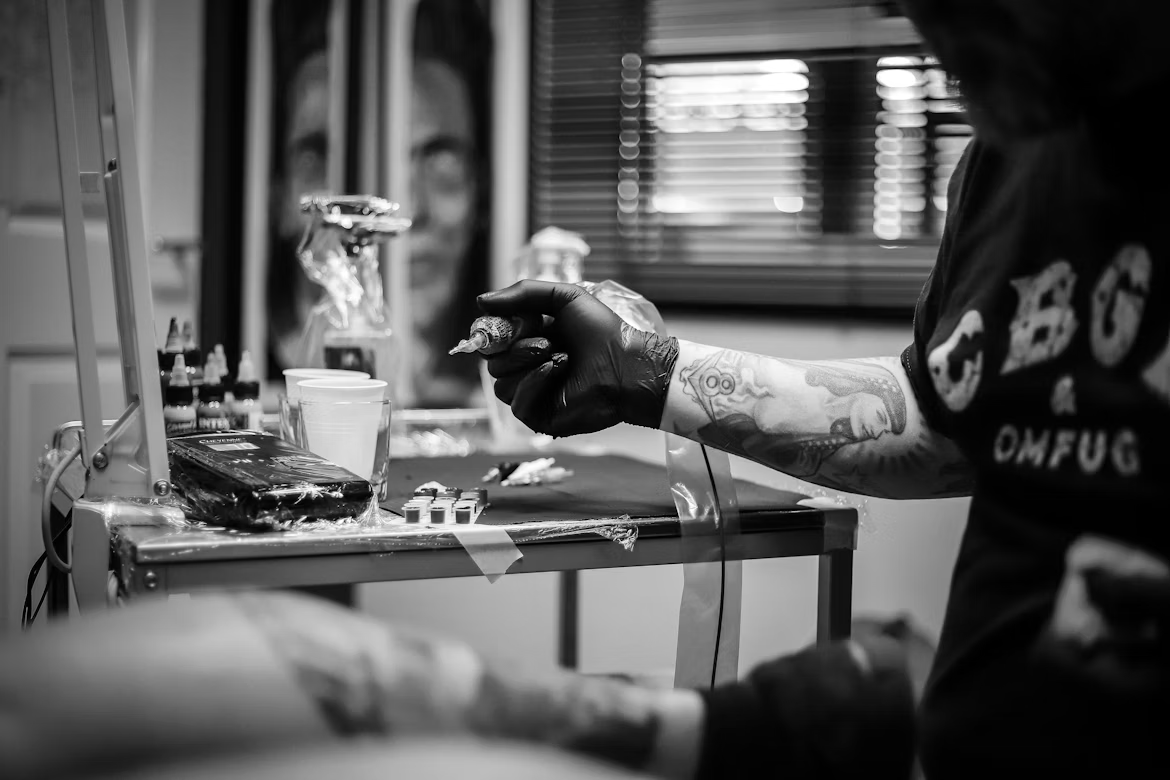
When you get tattooed, a needle repeatedly punctures your skin’s outer layer (epidermis) to deposit ink in the dermis beneath. This repeated trauma activates your pain receptors continuously throughout the session. The sensation is typically described as a constant burning or scratching feeling that varies in intensity depending on the location.
What makes tattoo pain unique is its duration. A small tattoo might take 30 minutes, while larger pieces can require multiple sessions of several hours each. Your body’s endorphins initially help manage the pain, but as these natural painkillers deplete during longer sessions, the discomfort often increases.
How Piercing Pain Works
In contrast, a piercing involves a single puncture through the skin or cartilage. The primary pain is concentrated in one brief moment – when the needle passes through. Most people describe this as a sharp, intense sensation that quickly transforms into a duller throbbing or pressure.
While the initial pierce is over in seconds, sensitive areas may continue to ache or throb for hours or even days afterward. This post-procedure discomfort differs significantly from the active pain of getting tattooed.
Which Hurts More? A Side-by-Side Comparison
The honest answer is that it depends on several factors, but we can make some general comparisons:
Intensity: Piercings typically involve a more intense but brief moment of pain, while tattoos cause a less severe but sustained discomfort.
Duration: Piercings win hands down for shorter pain duration during the procedure. Even complex piercings are typically completed in minutes, while tattoo sessions can stretch for hours.
Recovery: Piercings often hurt more during healing, with sensitivity and occasional sharp pains lasting days or weeks. Tattoo healing discomfort is usually limited to itching and mild tenderness.
Overall experience: Many people who have both tattoos and piercings report that larger tattoos in sensitive areas are ultimately more challenging than most piercings, simply because of the extended duration.
Pain Levels by Body Location
Both tattoos and piercings vary dramatically in pain level depending on where on the body they’re placed.
Most Painful Tattoo Locations
High pain: Ribs, sternum, spine, ankles, knees, elbows, armpits, face, and groin typically rank as the most painful areas for tattoos. These locations feature either thin skin over bone or high concentrations of nerve endings.
Moderate pain: Upper arms, upper back, chest, outer thigh, and calf muscles usually cause moderate discomfort.
Lower pain: Forearms, shoulder blades, and outer biceps tend to be less painful, making them popular choices for first tattoos.
Most Painful Piercing Locations
High pain: Cartilage piercings (industrial, daith, tragus, helix), nipples, septum, and genital piercings are typically ranked as the most painful options.
Moderate pain: Nostril, navel, eyebrow, and lip piercings fall in the middle range for most people.
Lower pain: Earlobe, tongue, and some surface piercings are generally considered less painful, though individual experiences vary.
When visiting a quality tattoo and piercing shop in Modesto like Rise Up Tattoo, the artists can provide personalized guidance about pain expectations based on your chosen placement.
Factors That Affect Your Pain Experience
Beyond location, several factors influence how painful either procedure might feel:
Your personal pain threshold: This varies dramatically from person to person due to genetics, past experiences, and psychological factors.
Artist technique and experience: Skilled artists work efficiently and use techniques that minimize unnecessary trauma to the skin.
Your physical state: Being tired, hungry, or ill can significantly lower your pain tolerance.
Psychological state: Anxiety, fear, and stress increase pain sensitivity, while excitement or positive anticipation can actually reduce it.
Hormones: Some evidence suggests pain sensitivity fluctuates with hormonal cycles, potentially making certain times of month more challenging for procedures.
Managing Pain During Your Session
Whether you choose a tattoo or piercing, these strategies can help make your experience more comfortable:
Eat before your appointment: Low blood sugar makes pain harder to tolerate.
Stay hydrated: Dehydration increases sensitivity and makes your skin more difficult to work with.
Get enough sleep: Fatigue dramatically lowers pain threshold.
Avoid alcohol: Besides being dangerous (it thins blood), alcohol actually makes pain management harder.
Communicate with your artist: Let them know if you need a break or if a particular spot feels too intense.
Controlled breathing: Slow, deep breathing helps manage pain responses.
Distraction techniques: Conversation, music, or videos can help redirect your attention.
Aftercare and Healing Pain
The discomfort doesn’t necessarily end when you leave the studio. Healing brings its own considerations:
Tattoo Healing Sensations
Most tattoos follow a predictable pattern of healing sensations:
Days 1-3: Tenderness, warmth, and mild throbbing similar to a sunburn
Days 3-7: Itching (sometimes intense) as skin begins to heal
Days 7-14: Flaking and continued itching as the outer layer of skin regenerates
Larger tattoos or those on areas that move frequently (like joints) may remain tender longer.
Piercing Healing Sensations
Piercings typically follow this pattern:
Days 1-3: Throbbing, sensitivity, and swelling
Days 3-14: Tenderness when bumped or cleaned, possible sharp pains if movement disturbs the healing channel
Weeks 2-8+: Gradually decreasing sensitivity with occasional “flare-ups” if the jewelry gets caught or moved abruptly
Cartilage piercings generally hurt longer during healing than soft tissue piercings due to limited blood flow to these areas.
What Clients Really Say: Pain vs. Expectation
Interestingly, many first-timers report that both tattoos and piercings hurt less than they anticipated. The anxiety of not knowing what to expect often creates more stress than the actual procedure.
Most experienced collectors will tell you: while the pain is real, it’s also temporary and manageable. Many find the results well worth the discomfort, which explains why people often come back for more.
“I built up this huge fear in my head before my first tattoo,” shares one client. “When it actually happened, I kept waiting for it to get unbearable. It never did. It was uncomfortable, sure, but totally manageable.”
Similarly, many piercing clients report that the anticipation was worse than the reality: “The actual piercing took maybe two seconds,” one person explains. “I’d worked myself up for days, and then it was just… over. The healing was more annoying than painful.”
The key takeaway? While both procedures involve discomfort, neither is typically as terrible as your imagination might suggest.
Making Your Decision
Ultimately, choosing between a tattoo and piercing shouldn’t come down solely to pain considerations. Both are manageable forms of discomfort that countless people navigate successfully every day.
Consider these factors instead:
Commitment level: Tattoos are permanent (though removable with significant effort and expense), while most piercings can be retired if you change your mind.
Aesthetic goals: What look are you trying to achieve? The visual result should be your primary consideration.
Lifestyle compatibility: Some careers or activities may influence which option works better for you.
Healing requirements: Consider whether you can commit to the aftercare needs of each option during the healing period.
Professional environment: Research artists and piercers thoroughly – working with an experienced professional makes all the difference in both pain management and final results.
Final Thoughts
Whether you choose a tattoo or piercing, remember that pain is temporary while the artwork or jewelry becomes a lasting part of your self-expression. Millions of people successfully navigate these procedures every year, finding that the momentary discomfort is a small price to pay for meaningful body art.
The most important steps? Choose a reputable studio, communicate openly with your artist about your concerns, take care of yourself before and after the procedure, and trust that your body knows how to heal. With proper preparation and realistic expectations, you’ll likely find that the experience is far more manageable than you imagined.
Ready to take the next step? Schedule a consultation with an experienced artist who can address your specific concerns and help you plan for a comfortable, positive experience. Your journey into body art starts with asking the right questions – and now you’re armed with the knowledge to ask them.