
A lot of shoes look similar on the shelf. Neutral colours, familiar shapes, soft lines. Yet some pairs catch the eye more than others even though they seem just as simple. Designers know it’s rarely the big elements that create that lift. It’s the small decisions hidden in the structure, the finish, and the way the shoe meets the foot. These quiet touches shape how refined the sandal feels once it’s worn.
People turn to womens closed toe sandals when they want a thoughtful option for everyday errands. What makes the difference is the subtle craft behind each pair.
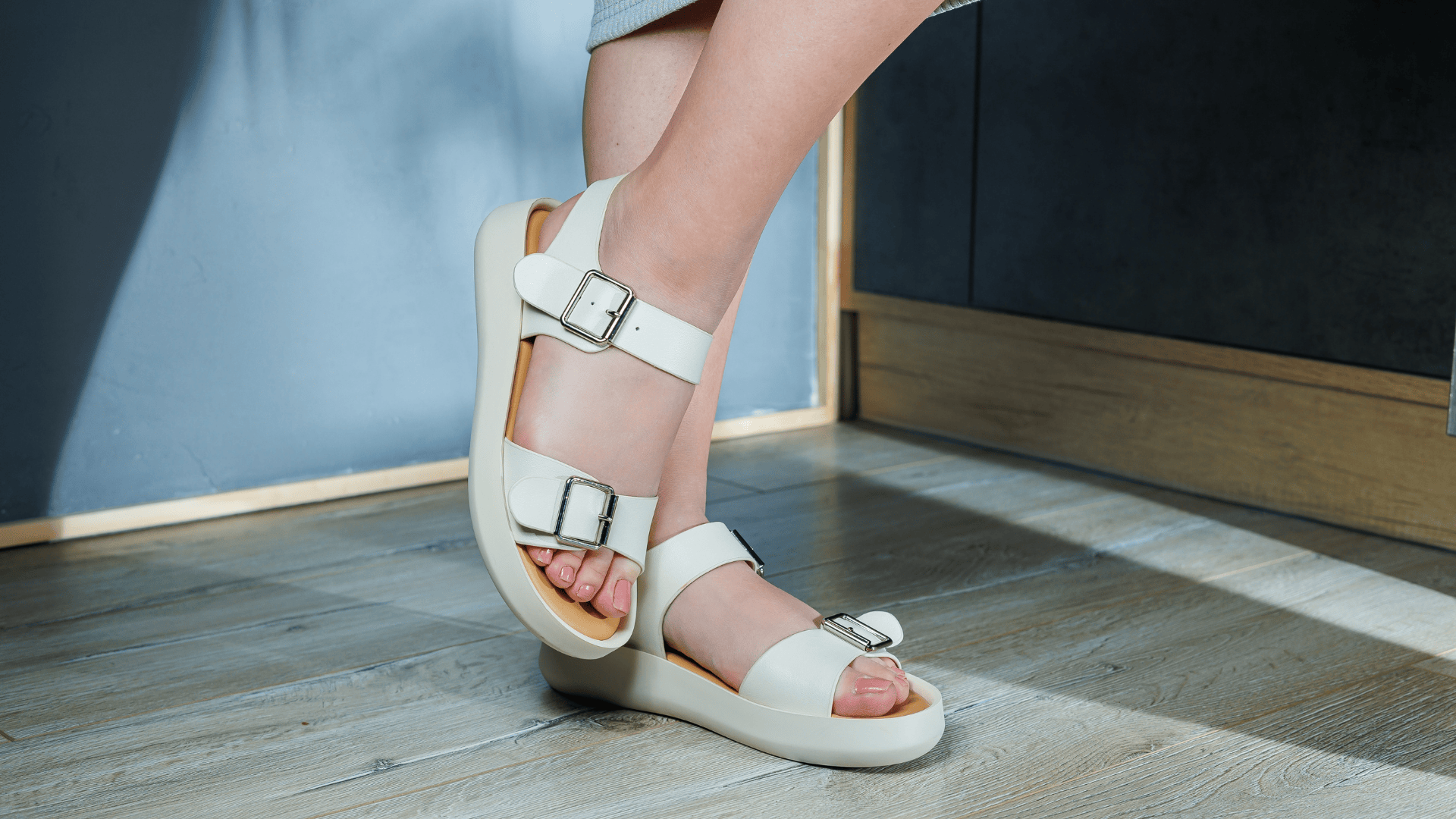
7 Unsung Details That Make Simple Footwear Feel Elevated
The Front Shape Is More Important Than It Looks
Closed-toe designs can feel heavy if the front is too blunt. A slightly tapered shape softens the appearance without squeezing the foot. Designers sometimes curve the front just enough to follow the natural outline of the toes. That small curve gives the sandal a neater balance and keeps it from looking bulky.
Stitching That Follows the Natural Line
Good makers avoid stiff, straight stitching when the shoe’s form calls for movement. They follow the arc of the foot instead. When the stitching flows like this, the upper sits smoothly, and the sandal gains a polished feel. Most people will notice the ease it creates when walking more than anything else.
A Flexible Insole That Doesn’t Lose Its Shape
Some sandals feel comfortable at first, but flatten quickly. Better pairs use insoles that flex without collapsing. They return to their shape after each step. This quiet bounce gives support through long days without drawing attention to itself. The foot feels cradled, not perched.
Leather That Softens Instead of Stretching Out
Materials matter more than the style itself. Some leathers stretch too much and lose structure within a season. Higher quality leather, one that does not lose its form no matter what happens, softens and molds gently to the foot.
It’s the difference between a sandal that lasts for only one summer and one that stays dependable for years.
A Heel Strap Positioned Just Right
Strap placement matters. The high ones rub. If it’s set too low, the shoe slides. Designers who understand foot movement place the strap where it stabilises. That one choice makes the sandal feel secure with comfort and all other things considered.
A Sole With Steady Traction Instead of Harsh Grip
Traction only requires a softer pattern on the sole that provides grip. When doing so, it should offer that desired grasp without looking chunky. This blend makes the sandal easier to match with stacks of outfits. The shoe also feels versatile because it doesn’t shout for attention.
Weight That Matches the Design
A sandal can look simple yet feel clunky if the weight isn’t balanced. Lighter isn’t always better. Well-designed pairs distribute weight so the foot doesn’t tilt or drag. They feel natural from the first wear, not something the wearer needs time to get used to.
The Magic Is in What You Don’t Notice
What elevates simple footwear rarely shows up in bold features. It’s the comfort that arrives quietly. The fit that feels right without adjustment. The way the sandal holds its shape after months of use. Designers build these qualities one small detail at a time.
When all these elements come together, the sandal feels even more refined despite the design. That’s why some pairs stay in the wardrobe far longer than others. They suit everyday life but carry the ease of something made with care.